
ACL Reconstruction
What is the Anterior Cruciate Ligament (ACL)?
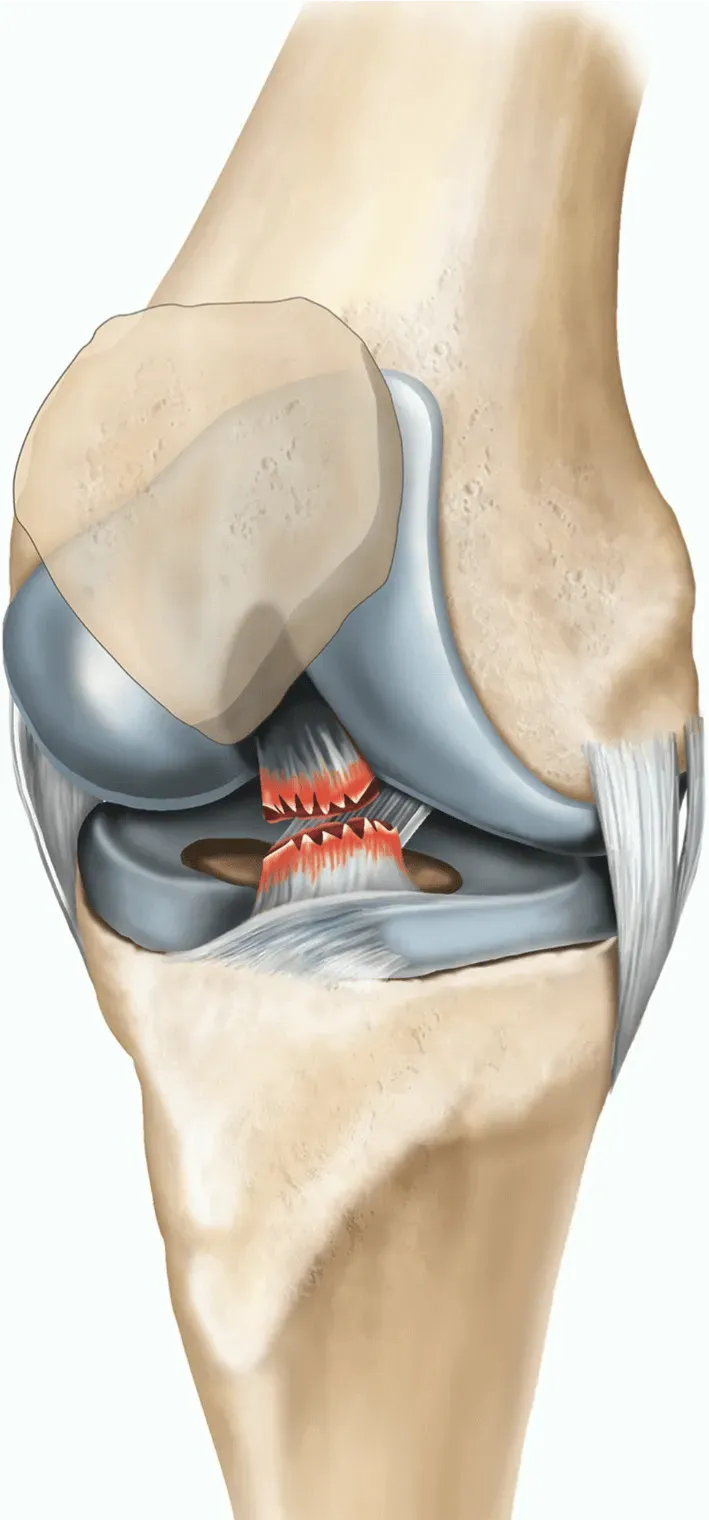
The anterior cruciate ligament (ACL) is one of the important ligaments that stabilise your knee. If you have torn (ruptured) this ligament, the knee can collapse or ‘give way’ when making twisting or turning movements.
How Does an ACL Rupture Happen?
An ACL rupture happens as a result of a twisting injury to your knee. Common causes include injuries from contact sports and skiing. You can injure other parts of your knee at the same time, such as tearing a cartilage or damaging the joint surface.
It is currently recommended that ACL rupture in active patients be treated by reconstruction surgery since it is menisci-protective. Surgical techniques for ACL reconstruction have improved dramatically during the past ten years. Recovery is much faster, and complications are rare.
What Does the ACL Do?
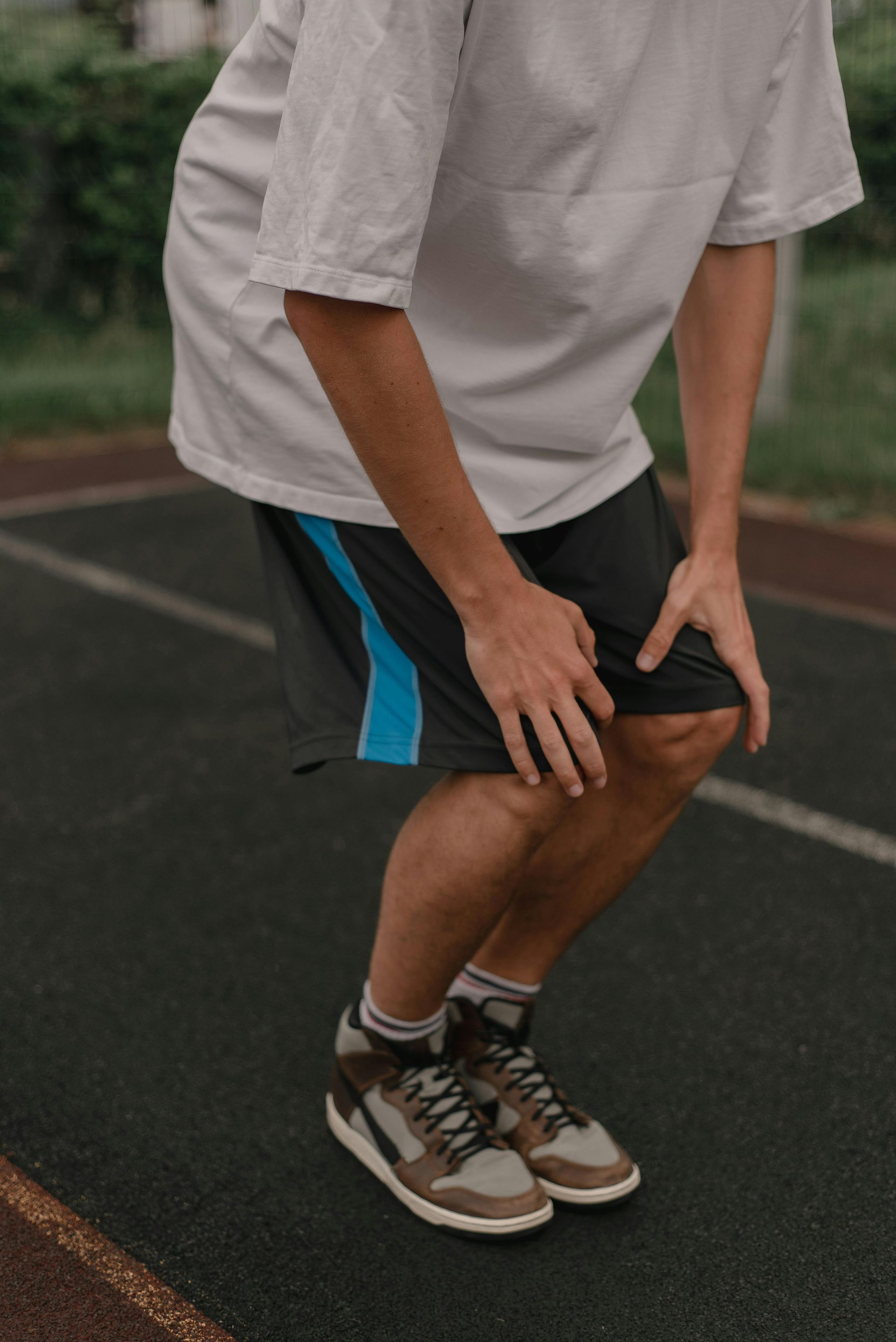
The ACL prevents the tibia (shin bone) from moving abnormally on the femur (thigh bone). When this abnormal knee movement occurs, it is referred to as knee instability, and the patient is aware of it.
Often, other structures, such as the meniscus, articular cartilage (the joint lining), or other ligaments, can be damaged simultaneously with a cruciate injury. These may need to be addressed during surgery.
- Most injuries are sports-related, involving a twisting injury to the knee.
- It can occur with a sudden change of direction, a direct blow (e.g., a tackle), or landing awkwardly.
- Often, there is a popping sound when the ligament ruptures.
- Swelling usually occurs within hours.
- There is often the feeling of the knee popping out of the joint.
- It is rare to be able to continue playing sports with the initial injury.
What is ACL Reconstruction?
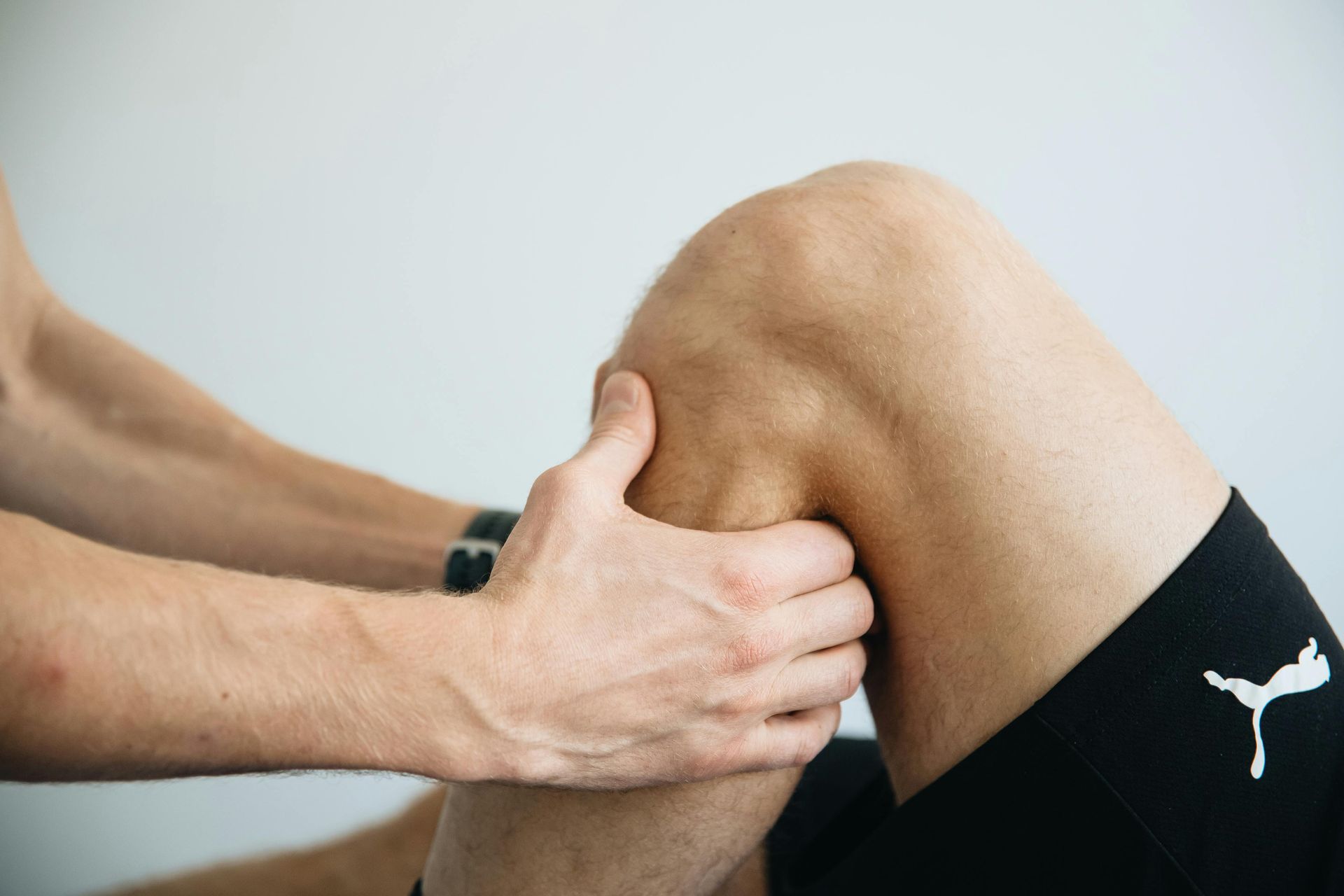
ACL reconstruction is a surgical procedure used to repair a torn anterior cruciate ligament in the knee. Reconstruction does not repair the original ligament. Instead, the surgeon replaces the damaged ACL with a graft that serves as a new ligament. Over time, this graft becomes stronger as the body incorporates it. This procedure aims to restore knee stability, improve function, and reduce the risk of ongoing damage to other structures such as cartilage or meniscus.
Who is Suitable for ACL Reconstruction?
If you have experienced an ACL tear or damage, and your symptoms have not improved with non-surgical treatments, you may be a good candidate for ACL Reconstruction. You may also be a good candidate for this procedure if you have a highly active lifestyle or participate in sports that require sudden direction or pivoting. After a thorough evaluation and diagnostic testing, an orthopaedic surgeon can determine if ACL Reconstruction is the best option for you.
Benefits of ACL Reconstruction
ACL reconstruction offers several long-term advantages by restoring stability and protecting the knee from further injury. Many people choose surgery because it allows them to resume exercises, work duties, or sports that would otherwise be unsafe with an unstable knee. The surgery reduces the risk of future meniscus damage, which is important because meniscal tears can lead to early arthritis. Benefits also include improved confidence in the knee during movement, better balance, and reduced episodes of giving way. Over time, many patients find that reconstruction helps them maintain a healthier, more active lifestyle with fewer limitations.
ACL Reconstruction vs ACL Repair
Repair involves keeping the original ligament by directly suturing the two ends of the rupture together. Attempts at repair of ACL tears are now largely historical due to the high rate of failure of the surgery.
All ACL surgeries nowadays are reconstructions. This involves replacing the damaged tissue with a substitute tissue called a graft. The most commonly used grafts involve tissue from the patient (autografts). Tissue from donor patients (allografts) can also be used, as can synthetic ligaments.
Types of ACL Reconstruction
- Autograft Ligaments
- Cadaver Ligaments
- Synthetic Ligaments
Autograft Ligaments
The most commonly used autografts are
- Hamstring tendons
- Patella ligament
- Quadriceps tendons
There are pros and cons for each option. All three options are suitable and yield good results.
Cadaver Ligament
There are pros and cons of using cadaver tendons.
Pros
- Readily available
- Less painful operation with quicker recovery (because your tissue is not harvested)
Cons
- Tiny risk of infection
- Takes longer for the graft to incorporate
- Has a higher failure rate than using your own tissue
Synthetic Ligament
Synthetic ligaments are not a new technology. They were used more than 20 years ago. Despite the initial good early results, they fell out of favour because the longer-term results were not as good. Popularity in using synthetic ligaments has resurged more recently, but it has again fallen from favour.
Preparation Before an ACL Reconstruction Surgery
Before undergoing ACL reconstruction surgery, you should undergo several tests to assess the extent of the injury and determine the best course of treatment. These tests include a physical examination, X-rays, MRIs, and blood tests. Your surgeon will also review your medical history and provide pre-operative instructions, such as avoiding food and drink for a certain period before the surgery.
What Happens During an ACL Reconstruction Surgery?
Surgery is performed as a day procedure or an overnight stay.
The surgery usually takes between 60 and 90 minutes.
Surgical techniques have improved significantly over the last decade, complications are reduced, and recovery is much quicker than in the past.
The surgery is performed arthroscopically.
- The ruptured ligament is removed, and tunnels (holes) in the bone are drilled to accept the new graft.
- This graft, which replaces your old ACL, is taken either from the hamstring tendon (or an artificial ligament is used). Your doctor will discuss these options with you before surgery.
- The graft is prepared to take the form of a new tendon and passed through the drill holes in the bone.
- The new tendon is then fixed into the bone with various devices to hold it while the ligament heals into the bone (usually six months).
- The rest of the knee can be visualised simultaneously, and any other damage is dealt with, e.g. meniscal tears.
- The wounds are then closed, and a dressing is applied.
Post-operative Recovery for ACL Reconstruction
Pain Management
You will have pain medication by tablet or in a drip (intravenous).
A splint is sometimes used for comfort.
Wound Care
Leave any waterproof dressings on your knee until your post-op review.
- You can put all your weight on your leg.
- Avoid any anti-inflammatory or aspirin for ten days.
- Put ice on the knee for 20 minutes, as frequently as possible.
Post-op review
The first review will usually be after 10-14 days.
Physiotherapy
You will be seen by a physiotherapist, who will teach you to use crutches and show you some simple exercises to do at home.
Exercise and therapy can begin after a few days or be arranged at your first post-op visit.
Complications
If you have any redness around the wound, worsening pain in the knee, a temperature, or feel unwell, you should contact your surgeon as soon as possible.
Why is Rehabilitation for ACL Reconstruction Essential?
Physiotherapy is integral to the treatment and should start as early as possible. Pre-operative physiotherapy helps better prepare the knee for surgery. The early aim is to regain range of motion, reduce swelling and achieve full weight-bearing.
A physiotherapist will supervise the remaining rehabilitation, which will include bike riding, swimming, proprioceptive exercises, and muscle strengthening. Cycling can begin at two months; jogging generally starts at around three months. The graft is strong enough to allow sport at about six months. However, other factors come into play, such as confidence, fitness and adequate training.
Professional athletes often return at six months, but recreational athletes may take 10 -12 months, depending on motivation and time put into rehabilitation.
Associating injuries to the knee, such as damage to the meniscus, articular cartilage, or other ligaments, can affect the rehabilitation and overall success of the procedure.
ACL Reconstruction Prognosis
The prognosis of ACL reconstruction is generally good, with a success rate of around 80-90%. Most patients experience significant improvement in knee function and return to their regular activities or sports within six to twelve months after surgery. However, the success rate depends on several factors, including the extent of the injury, the patient's age and activity level, and adherence to post-operative rehabilitation protocols.
ACL Reconstruction Risks & Complications
Like any surgery, anterior cruciate ligament reconstruction has risks. Some of the potential complications include
- Infection,
- Blood clots,
- Nerve damage,
- Graft failure,
- Knee stiffness,
- Chronic pain.
The risk of complications is generally low, and most patients experience a successful outcome. However, it is essential to discuss the risks and benefits of the surgery with an orthopaedic surgeon before deciding to undergo the procedure.
What if ACL Reconstruction is Delayed?
If ACL reconstruction is delayed, it can increase the risk of further knee damage and long-term complications such as arthritis and meniscal tears. Delayed surgery can also lead to prolonged recovery times and reduced knee function. The damage may be irreparable in some cases, and the patient may require more extensive surgery or permanent knee bracing. Therefore, seeking prompt medical attention and following the recommended treatment plan is essential.