Shockwave Therapy
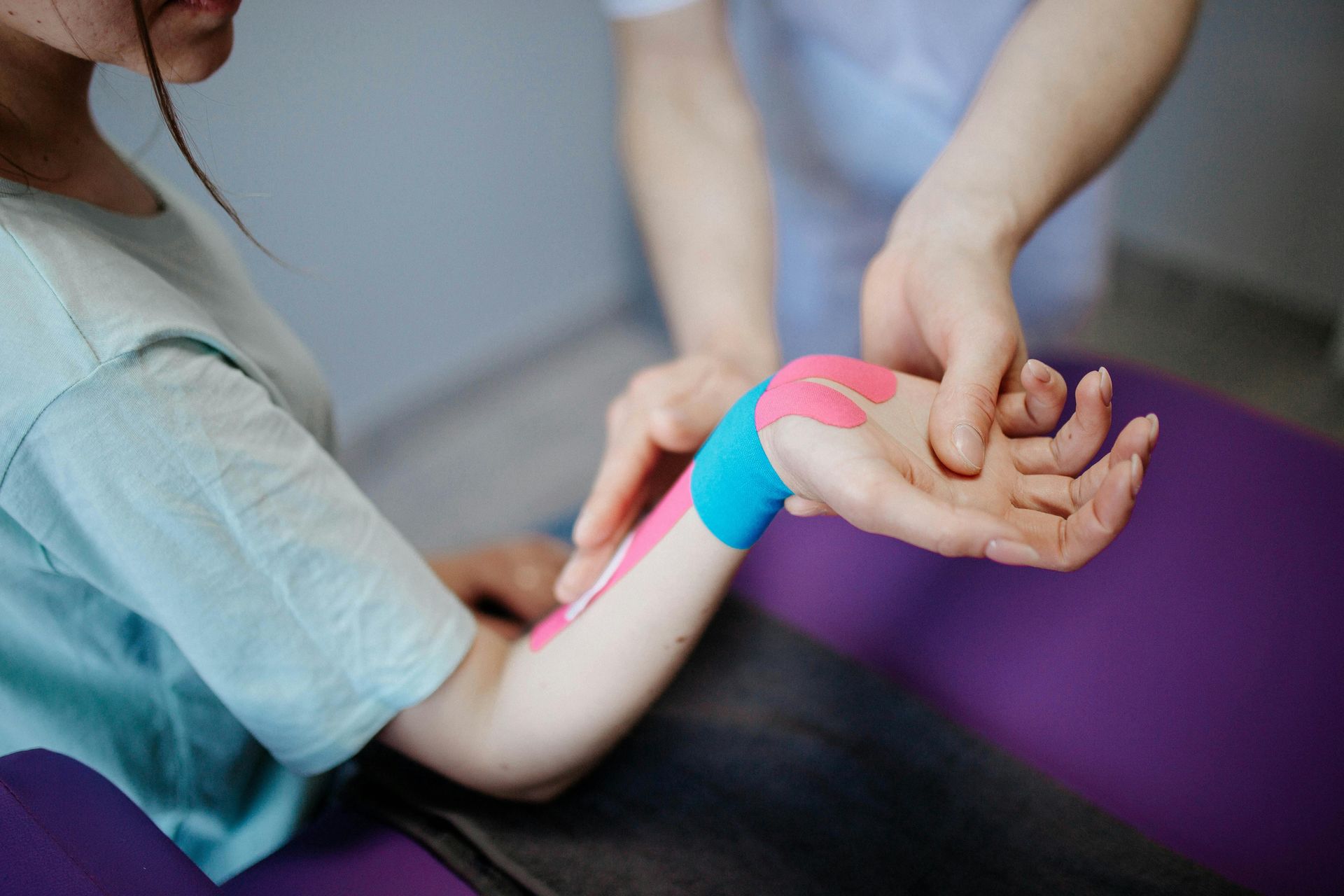
What is Shockwave Therapy?
Shockwave therapy is a non-surgical treatment that uses controlled acoustic waves to stimulate healing in injured tendons, ligaments, muscles, and other soft tissues. These sound waves are delivered through a handheld device placed on the skin, creating gentle pulses that improve circulation, break down scar tissue, and encourage new tissue growth. The technique is commonly used for chronic injuries that have not responded well to rest, medication, or standard physiotherapy. Shockwave therapy does not involve needles, medication, or anaesthesia, and most sessions take only a few minutes. It is designed to reduce pain, restore function, and help patients return to daily activities with greater comfort. Many patients find it an effective alternative when they want to avoid surgery or more invasive procedures.

Who is Suitable for Shockwave Therapy?
Shockwave therapy is suitable for individuals experiencing chronic pain or injuries that have not responded well to other treatments. Common conditions treated with shockwave therapy include:
- Plantar fasciitis
- Achilles tendinopathy
- Tennis elbow
- Calcific shoulder tendinitis
- Patellar tendinopathy (jumper’s knee)
- Hip bursitis
- Myofascial pain syndrome

Benefits of Shockwave Therapy
Shockwave therapy offers several benefits, including:
- Non-Invasive: It does not require surgery or injections.
- Pain Relief: It can significantly reduce pain associated with chronic conditions.
- Enhanced Healing: Promotes faster healing of injured tissues.
- Improved Mobility: Helps restore normal function and mobility in affected areas.
- Minimal Side Effects: Generally well-tolerated with few side effects.
- Convenience: Typically requires a few sessions, each lasting 15-20 minutes.
Types of Shockwave Therapy
Several forms of shockwave therapy may be used depending on your condition and treatment goals.
- Radial shockwave therapy: Produces shallow, dispersed waves suitable for larger surface areas such as the hip, forearm, or foot.
- Focused shockwave therapy: Delivers deep, precise waves that target specific tissues, particularly helpful for chronic tendon problems or calcifications.
- High-energy therapy: Used for more stubborn or long-standing injuries requiring stronger stimulation.
- Low-energy therapy: Suitable for early-stage injuries or patients requiring gentle treatment.
Your orthopaedic provider will choose the type and intensity that offers the best chances of pain relief and functional improvement.
Alternative Options to Shockwave Therapy
While shockwave therapy can be highly effective, some individuals may prefer or require alternative treatments. These alternatives include:
- Physical Therapy: Customised exercises and manual therapy can help improve strength, flexibility, and function.
- Medications: Pain relievers, anti-inflammatory drugs, and corticosteroid injections can help manage pain and inflammation.
- Ultrasound Therapy: Uses sound waves to promote tissue healing and reduce pain.
- Laser Therapy: Low-level laser therapy (LLLT) can help reduce pain and inflammation while promoting healing.
- Platelet-Rich Plasma (PRP) Therapy: Involves injecting a concentration of a patient’s own platelets to accelerate healing of injured tissues.
- Surgery: In severe cases, surgical intervention may be necessary to repair damaged tissues.
Preparation for Shockwave Therapy Session
Before undergoing shockwave therapy, it’s important to follow certain steps to ensure the procedure's effectiveness and safety:
- Consultation: Schedule an appointment with your doctor to determine whether shockwave therapy is suitable for your condition. Discuss your medical history, current medications, and any existing health issues.
- Medications: Inform your doctor about all your medications and supplements. You may be advised to stop taking certain medications, such as anti-inflammatory drugs, a few days before the procedure, as they can interfere with the body’s natural healing processes.
- Hydration: Stay well-hydrated in the days leading up to the therapy. Proper hydration can help improve the effectiveness of the treatment.
- Comfortable Clothing: Wear loose and comfortable clothing to your appointment. This will make it easier to access the treatment area and ensure your comfort during the procedure.
What Happens During Shockwave Therapy?
During the shockwave therapy session, the following steps are typically followed:
- Preparation: You will be positioned comfortably on a treatment table. The area to be treated will be exposed and cleaned.
- Gel Application: A conductive gel is applied to the treatment area. This gel helps to transmit the shockwaves effectively into the tissue.
- Device Positioning: The doctor will place the shockwave therapy device against your skin over the treatment area.
- Shockwave Delivery: The device emits high-energy shockwaves into the affected tissues. The intensity and frequency of the shockwaves can be adjusted based on your specific condition and tolerance. You may feel a tapping or pulsating sensation as the shockwaves are delivered.
- Duration: Each session typically lasts 15-20 minutes. The number of sessions required depends on the severity and nature of your condition, typically ranging from 3 to 6, spaced one week apart.
What to Expect After Shockwave Therapy?
After the shockwave therapy session, you can expect the following:
- Immediate Sensations: You may experience some discomfort or mild pain in the treated area immediately after the session. This is usually temporary and should subside within a few hours to a few days.
- Redness and Swelling: The treated area might experience some redness and swelling. This is a normal response and indicates that the body’s natural healing processes are being activated.
- Activity Level: Avoid strenuous activities or exercises that put stress on the treated area for at least 48 hours after the session. Light activities and gentle stretching are generally allowed and encouraged.
- Pain Management: If you experience discomfort, you can take over-the-counter pain relievers like acetaminophen. Avoid using anti-inflammatory medications, as they may interfere with the healing process.
Shockwave Therapy Recovery Plan
A structured recovery plan is essential to maximise the benefits of shockwave therapy and ensure a smooth healing process:
- Follow-Up Appointments: Attend all scheduled follow-up appointments with your doctor to monitor your progress and adjust the treatment plan if necessary.
- Physical Therapy: Incorporate the exercises recommended by your doctor. These exercises will help improve strength, flexibility, and function in the treated area.
- Hydration and Nutrition: Maintain a healthy diet and stay hydrated to support tissue repair and overall recovery.
- Rest and Recovery: Ensure you get adequate rest and avoid overexerting the treated area. Gradually reintroduce activities as advised by your doctor.
- Monitoring Symptoms: Keep track of changes in your symptoms and report any unusual or persistent pain, swelling, or discomfort to your doctor.
- Gradual Return to Activities: Gradually resume your normal activities, sports, or exercises as your condition improves. Follow your doctor’s guidelines to avoid re-injury.
Shockwave Therapy Prognosis
The prognosis for individuals undergoing shockwave therapy is generally positive, especially for those with chronic musculoskeletal conditions. Most patients experience significant pain relief and improved function after a few sessions. The success rate varies depending on the condition being treated:
- Plantar Fasciitis: Around 70-80% of patients report substantial improvement.
- Tennis Elbow: Approximately 70% of patients experience relief.
- Achilles Tendinopathy: Success rates can reach 65-75%.
- Calcific Shoulder Tendinitis: Around 70% of patients show marked improvement.
Overall, many patients achieve long-term relief, though individual results can vary based on factors such as the severity of the condition, adherence to post-treatment guidelines, and personal health status.
Shockwave Therapy Risks
- Pain and Discomfort: Mild to moderate pain during and after the treatment is common.
- Swelling and Redness: The treated area may become swollen and red post-treatment.
- Bruising: Some patients may experience bruising in the treated area.
- Numbness or Tingling: Temporary numbness or tingling can occur.
- Skin Irritation: The conductive gel used during the procedure may cause skin irritation in some individuals.
- Tendon or Nerve Damage: Although rare, tendons or nerves may be damaged if the treatment is not properly administered.
What if Shockwave Therapy is Delayed?
Delaying shockwave therapy can have different implications depending on the specific condition and its severity:
- Chronic Pain: The patient may continue to experience chronic pain and discomfort, which could lead to decreased quality of life and daily function.
- Prolonged Healing: Delaying treatment can lead to a slower healing process and a longer recovery.
- Condition Progression: Some conditions may worsen over time if left untreated, potentially leading to more severe symptoms and complications.
- Alternative Treatments: Patients may need to rely on other treatments, such as medications, physical therapy, or even surgical interventions, which may not be as effective or have risks and side effects.
Cost of Shockwave Therapy
The average cost per session ranges from AUD 100 to AUD 200. Some clinics may offer package deals for multiple sessions, reducing the overall cost.
It's important to check with your health insurance provider to see if shockwave therapy is covered under your policy, as this can significantly reduce out-of-pocket expenses.
Additional Information on Shockwave Therapy
- National Center for Biotechnology Information (NCBI): Provides access to a wealth of research articles and reviews on the efficacy and applications of shockwave therapy.
- American Academy of Orthopaedic Surgeons (AAOS): This organisation offers information on shockwave therapy's various uses and benefits for orthopaedic conditions.