
Shoulder Labrum Reconstruction
What is Shoulder Labrum Reconstruction?
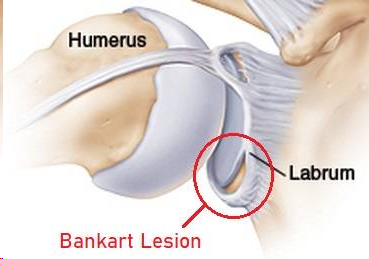
Shoulder labrum reconstruction is a surgical procedure used to repair or rebuild the labrum, a ring of cartilage that surrounds the socket of the shoulder joint. The labrum plays an important role in keeping the joint stable by deepening the socket, supporting the ligaments, and helping the ball of the upper arm bone stay in place during movement. When the labrum is torn due to injury, degeneration, or repeated strain, the shoulder can become unstable, painful, and prone to recurrent dislocations or catching.
Reconstruction focuses on restoring the labrum's normal shape and function so the shoulder can move smoothly again. The operation is usually performed arthroscopically through small keyhole incisions using a camera and fine instruments. In some complex cases, reconstruction may also involve tightening stretched ligaments or reattaching them to the bone. The goal is to provide a strong, stable joint that allows patients to return to work, sport, and daily activities with confidence.
Who is Suitable for Shoulder Labrum Reconstruction?
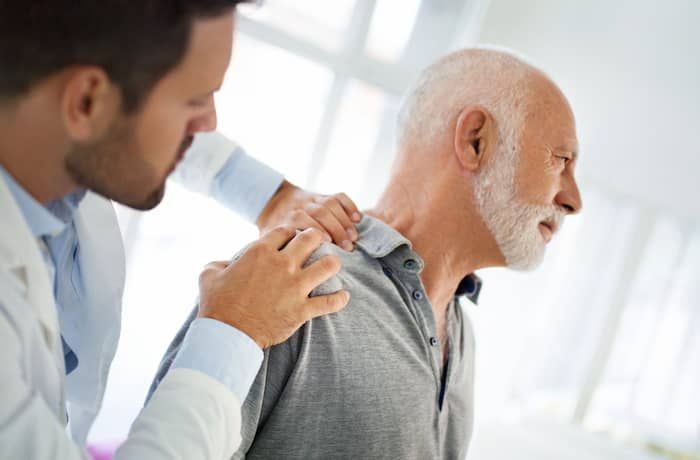
Shoulder labrum reconstruction may be recommended for people with a torn labrum in their shoulder joint, causing pain, instability, or weakness. Athletes who engage in sports that involve repetitive overhead movements, such as baseball players and swimmers, are at a higher risk of developing shoulder labrum tears. People who have experienced a traumatic injury, such as a dislocated shoulder, may also require shoulder labrum reconstruction.
Before undergoing shoulder labrum reconstruction, the surgeon will evaluate the patient's medical history, perform a physical examination, and conduct imaging tests such as X-rays, MRI, or CT scans. This will help determine if the patient is suitable for the procedure.
Benefits of Shoulder Labrum Reconstruction
The benefits of shoulder labrum reconstruction include the following:
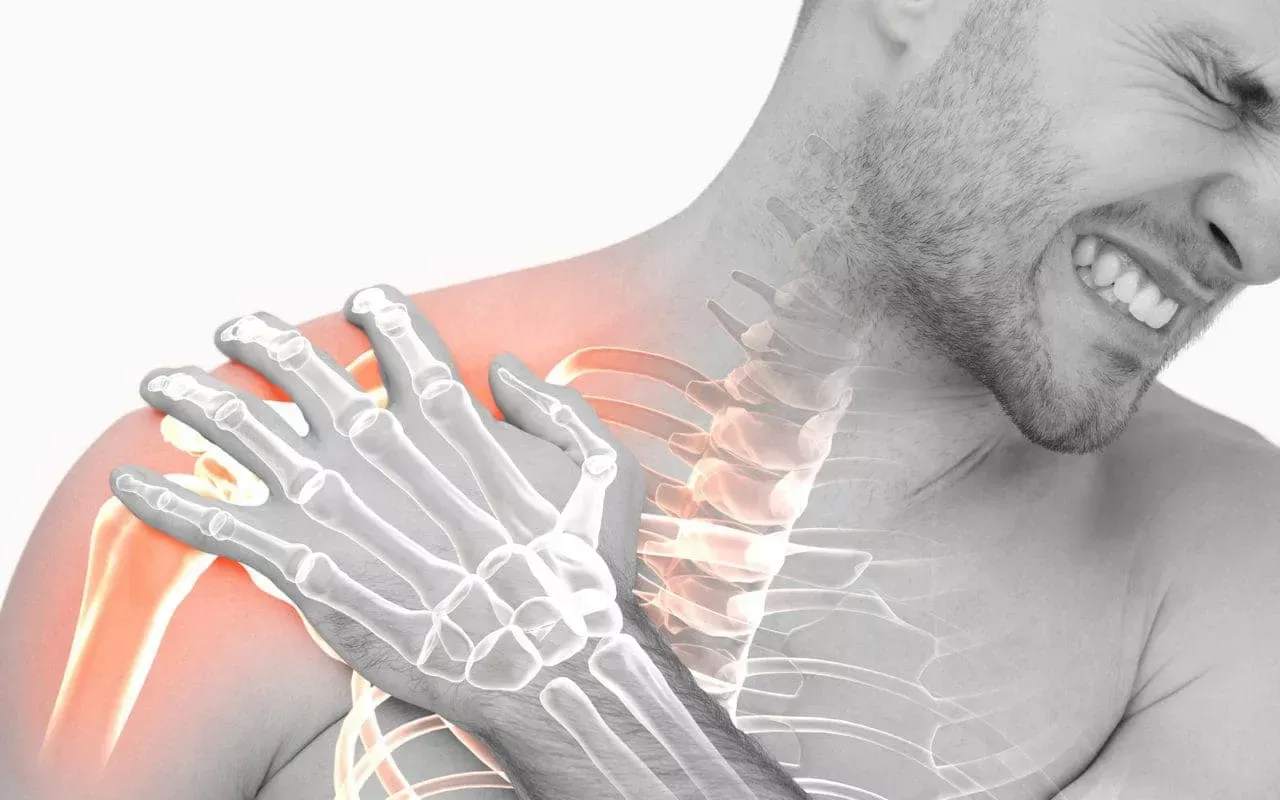
- Pain Relief: Shoulder labrum tears can cause significant pain and discomfort. Reconstruction can help alleviate this pain and improve the patient's quality of life.
- Improved Stability: The labrum helps stabilise the shoulder joint. Reconstruction can restore this stability, helping prevent further injury and improving the patient's range of motion.
- Faster Recovery: Arthroscopic shoulder labrum reconstruction is a minimally invasive procedure that requires smaller incisions, resulting in a faster recovery.
- Improved Athletic Performance:
Athletes who undergo shoulder labrum reconstruction may be able to return to their sport with improved performance and reduced risk of further injury.
Preparation for Shoulder Labrum Reconstruction
Before undergoing shoulder labrum reconstruction, patients can take several steps to prepare for the procedure. These include:
- Medical Evaluation: The surgeon will conduct a thorough medical evaluation, including a review of the patient's medical history and imaging tests such as X-rays, MRI, or CT scans. This will help determine if the patient is suitable for the procedure.
- Stop Smoking: Smoking can increase the risk of complications during and after surgery. Patients are advised to quit smoking at least 2-3 weeks before the procedure.
- Arrange for Help: Patients need assistance with daily tasks for several weeks after the surgery. It is important to arrange help with household chores, cooking, and transportation to appointments.
- Preoperative Instructions: The surgeon will provide specific instructions on what to eat and drink before the procedure, as well as any medications to avoid.
What Happens During a Shoulder Labrum Reconstruction?
Shoulder labrum reconstruction with much smaller incisions can be performed arthroscopically, depending on the patient’s situation. Rarely, arthroscopic surgery may need to be converted to open surgery to repair the damage to internal structures properly.
Two or three small incisions(portals) are made. Each incision is called a portal.
In one portal, the arthroscope is inserted to view the shoulder joint. Along with the arthroscope, a sterile solution is pumped into the shoulder joint, expanding it and giving the surgeon a clear view and room to work.
The arthroscopy image is projected onto a television screen, allowing the surgeon to assess the extent of the injuries and perform the necessary surgical procedure.
This may involve repairing a labral tear and tightening the capsule and ligaments.
After stabilising the shoulder, the portals (incisions) are closed by suturing or by tape.
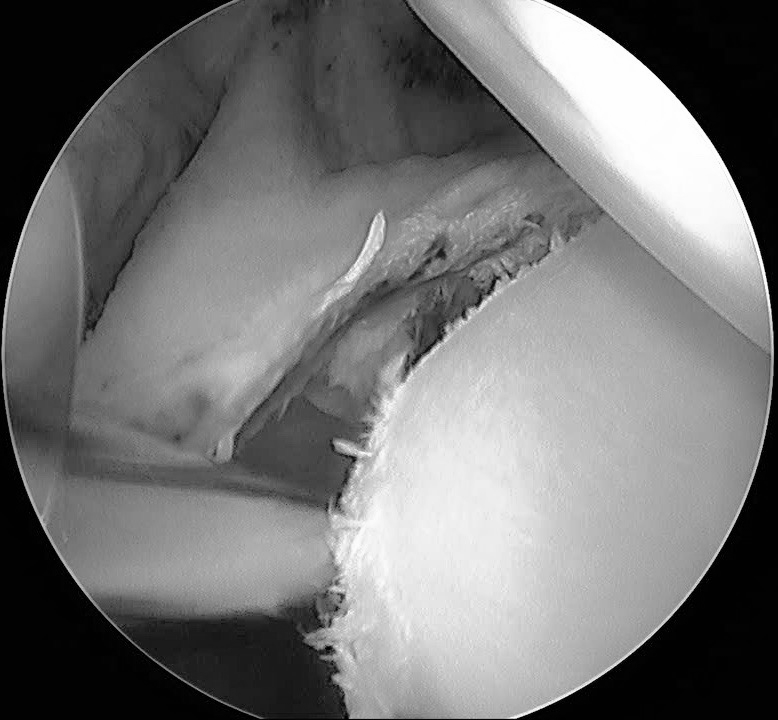
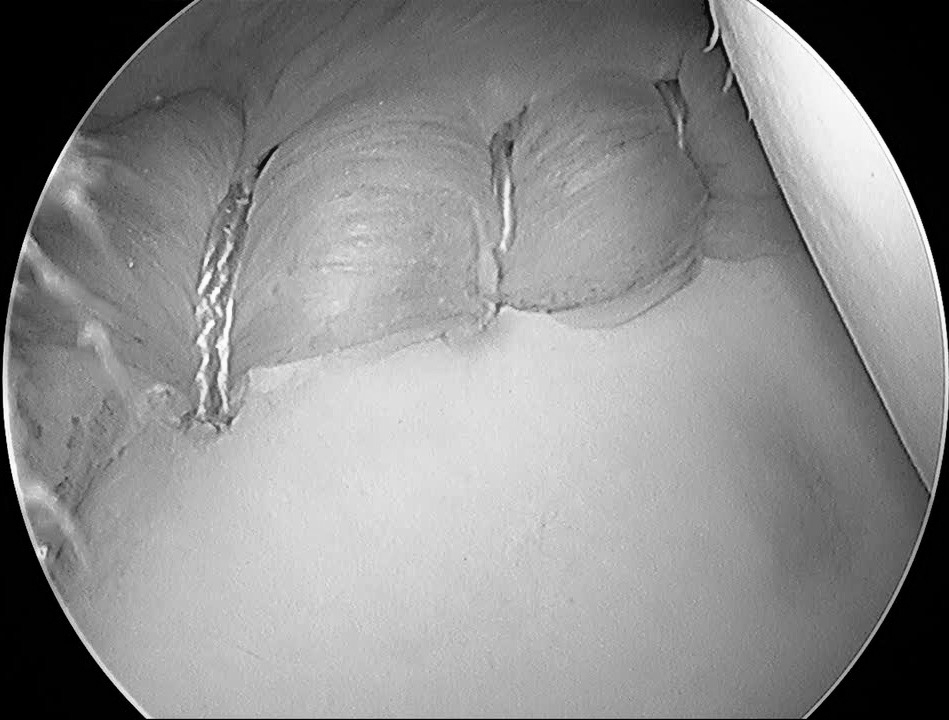
Arthroscopic images show a labral tear on the left and a labral repair on the right.
What to Expect After a Shoulder Labrum Reconstruction?
Immediately after a shoulder labrum reconstruction surgery, the patient will be monitored in the recovery room until the anesthesia wears off. They may then be taken to a hospital room for further observation.
The patient's shoulder will likely be wrapped in a bandage or dressing to protect the surgical site. The arm will also be placed in a sling to support the shoulder and restrict movement.
The length of the hospital stay may vary depending on the patient's case. In most cases, patients can go home the same day as the surgery, although some may need to stay overnight.
Shoulder Labrum Reconstruction Recovery Plan
Recovery from shoulder labrum reconstruction can take several months and requires a structured rehabilitation program. The recovery plan typically includes the following:
- Immobilisation: Patients must wear a sling to support the shoulder and restrict movement for several weeks after the surgery.
- Pain Management: Pain medication may be prescribed to alleviate discomfort during the recovery period.
- Physical Therapy: Physical therapy will be recommended to help restore the range of motion and strength to the shoulder joint. Patients will work with a physical therapist to perform exercises and stretches to improve mobility and strength.
- Gradual Return to Activities: Patients should avoid lifting heavy objects or engaging in strenuous activities for several months after the surgery. The surgeon will guide you when it is safe to resume normal activities.
Shoulder Labrum Reconstruction Prognosis
Generally, the success rate of shoulder labrum reconstruction is high, with most patients experiencing significant pain relief and improved shoulder stability. However, it is important to note that the procedure's success depends on the patient's commitment to the rehabilitation program and following postoperative instructions.
Shoulder Labrum Reconstruction Risks
As with any surgical procedure, shoulder labrum reconstruction carries some risks. These risks may include the following:
- Infection: There is a risk of infection with any surgery. The surgeon will take precautions to minimise this risk, including administering antibiotics before and after the surgery.
- Nerve Damage: During the surgery, there is a risk of damage to the nerves that control the shoulder and arm. This can result in weakness or numbness in the affected area.
- Stiffness: Patients may experience shoulder joint stiffness after surgery. Physical therapy can help alleviate this stiffness and improve mobility.
- Failure to Heal: Sometimes, the labrum may not heal properly after the surgery. This may require repeat surgery or alternative treatment options.
- Blood Clots: There is a risk of developing blood clots after surgery, particularly in the legs. Patients will be encouraged to move around and perform leg exercises to reduce the risk of blood clots.
Delaying Shoulder Labrum Reconstruction
If shoulder labrum reconstruction is delayed, the torn labrum may not heal properly, leading to continued pain, instability, and weakness in the shoulder joint. Delayed reconstruction may also increase the risk of further damage to the shoulder joint, such as the development of arthritis.