
Elbow Problems
What are Elbow Problems?
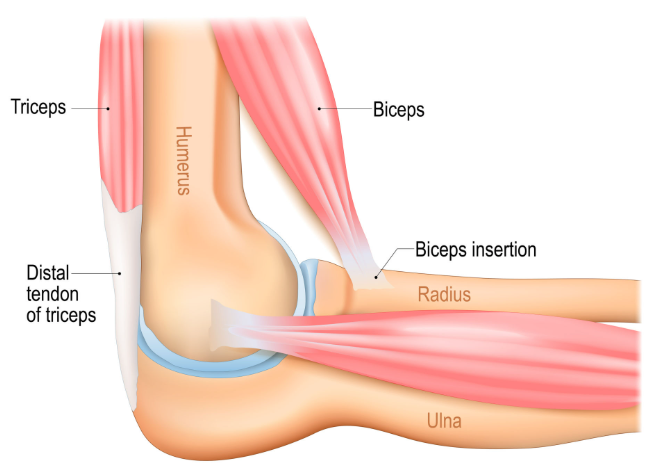
Elbow problems refer to a wide range of conditions that affect the bones, cartilage, tendons, ligaments, nerves, or soft tissues around the elbow joint. The elbow is a hinge joint that allows your arm to bend, straighten, and rotate. Because it is used constantly in daily movement—lifting, gripping, twisting, pushing, and pulling—it is vulnerable to overuse, sudden injury, age-related wear, and inflammation.
Elbow problems can be mild and short-lived or chronic and debilitating. Common examples include tendinitis (such as tennis elbow and golfer’s elbow), arthritis, bursitis, ligament injuries, nerve compression, fractures, and soft-tissue strains. These conditions can lead to pain, stiffness, reduced strength, and difficulty performing everyday tasks.
How Do Elbow Problems Impact Your Anatomy and Health?
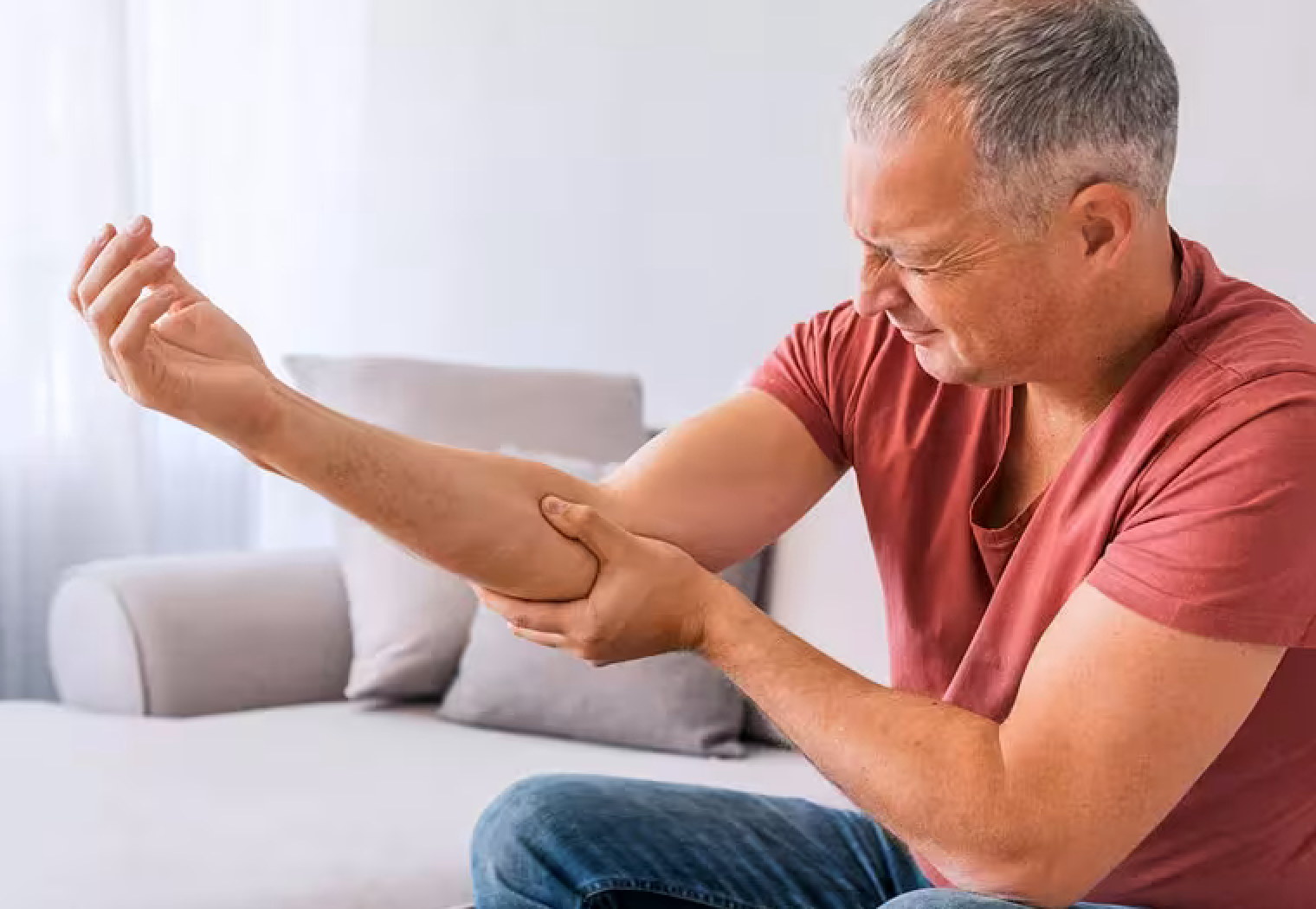
Elbow issues can affect multiple structures at the same time because the joint is made of three bones (humerus, radius, ulna) and a network of muscles, nerves, and ligaments. When these structures are irritated, inflamed, or damaged, several consequences follow. The most common impact is a reduction in the smooth, coordinated motion of the arm. Pain may occur during movement or at rest, limiting activities such as lifting shopping bags, typing, playing sports, or carrying children.
Inflammation around the elbow can weaken the forearm muscles, reducing grip strength. Certain elbow problems, such as nerve entrapment (for example, ulnar nerve compression), can cause numbness or tingling in the fingers, affecting fine motor skills. Chronic problems can lead to long-term stiffness, reduced mobility, and, in severe cases, joint damage or deformity. These issues can impact work, exercise, sleep, and overall quality of life.

Risk Factors for Elbow Problems
While elbow problems can affect anyone, certain groups are more at risk. Athletes, manual labourers, and office workers often encounter these issues due to repetitive motion or strain on the elbow joint. Age is also a factor, with conditions like osteoarthritis more common in older adults.
Causes of Elbow Problems
Elbow problems can result from a variety of mechanical, inflammatory, traumatic, or degenerative processes. Common causes include:
- Overuse strain: Repetitive gripping, lifting, or twisting gradually irritates the tendons, especially where they attach to the elbow. This is the most common pathway to tennis elbow and golfer’s elbow.
- Sudden injury: Falls, direct blows, or accidental twists may cause fractures, ligament sprains, or joint dislocations.
- Arthritis: Wear-and-tear osteoarthritis develops as joint cartilage thins over time. Inflammatory arthritis causes swelling, pain, and stiffness in the elbow.
- Bursitis: The olecranon bursa—a small fluid-filled sac at the back of the elbow—can become irritated due to pressure, trauma, or infection.
- Nerve compression: The ulnar nerve (commonly associated with “funny bone” tingling) may become trapped due to swelling, repetitive bending, or prolonged leaning on the elbow.
- Muscle imbalance: Weak or tight forearm, shoulder, or upper-back muscles can overload the elbow joint during activity.
- Poor technique: Incorrect posture while lifting weights, using tools, or playing sports places unnecessary strain on the elbow.
- Underlying medical conditions: Gout, infection, autoimmune disease, or metabolic disorders can lead to pain or swelling.
Symptoms of Elbow Problems
The symptoms of elbow problems can vary depending on the specific condition and its severity, but they often include the following:
- Pain: The most common symptom, which can be experienced in different ways. It might be a sharp, shooting pain, a dull ache, or a throbbing sensation. The pain could be constant or only occur when you use your arm a certain way.
- Swelling or inflammation: Some conditions, like bursitis or arthritis, can cause the elbow joint to become swollen and warm to the touch.
- Stiffness: You might notice your elbow joint is stiff, especially after inactivity or upon waking.
- Reduced range of motion: In some cases, you might not be able to fully extend or flex your arm due to pain or stiffness in the elbow joint.
- Weakness: Some elbow conditions can cause weakness in the arm or hand, making it difficult to grip objects or perform certain tasks.
- Numbness or tingling: If a nerve in the elbow is affected, you might experience numbness, tingling, or a "pins and needles" sensation in your forearm, hand, or fingers.
- Redness and heat: In cases of infection or significant inflammation, the skin over the elbow may become red and warm to the touch.
Preventing Elbow Problems
Many elbow issues can be avoided with sensible habits, proper technique, and awareness of early warning signs. Simple steps can reduce strain and protect the joint over the long term.
- Use correct technique: Whether playing sports or performing work tasks, proper form reduces unnecessary load on the elbow.
- Strengthen supporting muscles: Conditioning the forearm, upper arm, shoulder, and upper-back muscles helps distribute force more evenly.
- Stretch regularly: Gentle stretching before and after activity keeps the joint flexible and reduces tightness in the forearm muscles.
- Modify repetitive activities: Alternating tasks, taking breaks, and adjusting workstation ergonomics reduce continuous stress on tendons and nerves.
- Use supportive equipment: Braces, wrist supports, or shock-absorbing grips may help during high-risk activities.
- Warm up before exercise: A gradual warm-up improves blood flow and prepares muscles and tendons for activity.
- Avoid overloading: Increasing training intensity gradually and using weights that are too heavy increases the risk of injury.
- Protect the elbow from impact: Padding or protective gear can help prevent bursitis or bruising from direct pressure.
- Address early symptoms: Pain, stiffness, or weakness should be evaluated early to prevent progression.
- Maintain general health: Managing weight, staying physically active, and treating underlying medical conditions helps maintain joint health overall.
Types of Elbow Problems
Several types of elbow problems can result in pain, discomfort, and limited movement. Here are some of the most common:
- Tennis Elbow (Lateral Epicondylitis): Caused by overuse of the forearm muscles and tendons, leading to pain on the outer part of the elbow.
- Golfer's Elbow (Medial Epicondylitis): Similar to tennis elbow, this condition affects the inner part of the elbow and is caused by overuse of the forearm muscles and tendons.
- Bursitis: Occurs when the bursa, a small sac of fluid that cushions the elbow joint, becomes inflamed, often due to repetitive motion or trauma.
- Fractures: These can occur from a fall, a direct impact on the elbow, or a twisting injury. Fractures can involve different elbow parts, such as the distal humerus, radius, or ulna.
- Cubital Tunnel Syndrome: Caused by increased pressure on the ulnar nerve, which passes in a groove on the inner side of the elbow. Symptoms can include numbness and tingling in the hand and fingers.
- Osteoarthritis of the Elbow: A type of arthritis that occurs when the cartilage that cushions the elbow joint wears down over time.
- Rheumatoid Arthritis: This autoimmune condition can cause inflammation in any joint, including the elbow.
- Dislocation: Occurs when the bones of the elbow are forced out of alignment, typically due to trauma such as a fall or accident.
Stages of Elbow Problems
The progression or stages of elbow problems can vary greatly depending on the specific condition. However, for some common conditions like arthritis or tendonitis, they can typically be classified into the following general stages:
- Early Stage: Symptoms may be mild and intermittent. There may be occasional discomfort or stiffness in the elbow, especially after periods of inactivity or excessive use. Swelling may not be noticeable, and the range of motion is usually unaffected.
- Intermediate Stage: As the condition progresses, symptoms may become more frequent and severe. You might experience more pain, even during rest. Swelling may be more apparent, and you may notice decreased range of motion.
- Advanced Stage: The joint might be noticeably swollen or deformed. The pain could be constant and severe, and you might have difficulty moving your elbow.
Diagnosis of Elbow Problems
- Patient History: The diagnosis begins with reviewing your symptoms, medical history, and any specific incidents or activities that might have led to the onset of your elbow pain. Your doctor will ask you questions about the nature of the pain, when it started, and whether anything makes it better or worse.
- Physical Examination: This may include checking your elbow for swelling, tenderness, or deformity; assessing the range of motion in your elbow; applying pressure or asking you to move your arm in certain ways to see if it causes pain.
- Diagnostic Tests: Your doctor may order one or more diagnostic tests depending on the physical exam results. These can include:
- X-rays: These images can reveal fractures, bone spurs, or other abnormalities in the elbow joint.
- MRI (Magnetic Resonance Imaging): Provides a detailed view of the soft tissues in your elbow, such as muscles, tendons, ligaments, and cartilage.
- CT (Computed Tomography) Scan: Provides a more detailed image of the bones and can help diagnose complex fractures.
- Ultrasound: Used to visualise soft tissues like tendons and ligaments, and can also guide injections for treatment.
- Nerve Conduction Studies: Help diagnose nerve entrapment syndromes, such as cubital tunnel syndrome.
Treatment for Elbow Problems
Elbow problems range from minor injuries to chronic conditions affecting the joint and surrounding structures. The treatment for elbow problems depends on the specific condition and severity.
Here are some common treatment approaches for various elbow problems:
- Rest and Activity Modification: For mild elbow problems, rest and avoiding activities that exacerbate symptoms can help the affected area heal.
- Pain Management: Over-the-counter nonsteroidal anti-inflammatory drugs (NSAIDs), such as ibuprofen or naproxen, can help relieve elbow pain and reduce inflammation.
- Physical Therapy: A physical therapist will design a customised exercise program to improve the elbow joint's range of motion and the strength of surrounding muscles. They may also use manual therapy, ultrasound, or electrical stimulation to alleviate pain and promote healing.
- Immobilisation: In some cases, immobilising the elbow joint with a splint, brace, or cast may be necessary. Immobilisation helps protect the injured or inflamed area, allowing it to heal properly. It also reduces stress and strain on the elbow joint during recovery.
- RICE Therapy: RICE stands for Rest, Ice, Compression, and Elevation. This therapy is commonly used for acute injuries like strains, sprains, or tendonitis. Resting the elbow, applying ice packs to reduce swelling, using compression bandages to support the elbow, and elevating the elbow can help alleviate pain, reduce inflammation, and promote healing.
- Medications: In addition to over-the-counter NSAIDs, your doctor may prescribe stronger pain medications or corticosteroid injections to manage severe pain and inflammation. These medications can provide temporary relief but are typically part of a comprehensive treatment plan.
- Occupational or Sports-Specific Therapy: This may be recommended if the elbow problem is related to specific occupational or sports activities. These specialised programs focus on improving technique, modifying movements, and using ergonomic tools or equipment to prevent further elbow strain or injury.
- Platelet-Rich Plasma (PRP) Therapy: This involves injecting a concentrated solution of platelets derived from the patient's blood into the affected area. Platelets contain growth factors that can promote healing and tissue regeneration. PRP therapy is sometimes used for conditions such as tennis elbow (lateral epicondylitis) or golfer's elbow (medial epicondylitis).
- Surgical Intervention: In cases where conservative treatments fail to provide relief or when there is significant damage to the elbow joint or surrounding structures, surgical intervention may be necessary. The surgical procedure will depend on the underlying condition and can range from minimally invasive arthroscopic surgery to open surgery for more complex cases.
Surgical options may include removing loose bodies, repairing or reconstructing tendons, or joint replacement in severe cases.
What if Elbow Problems are Untreated?
Untreated elbow problems can lead to chronic pain, reduced range of motion, permanent joint damage, and, in some cases, disability.