
Shoulder Problems
What are Shoulder Problems?
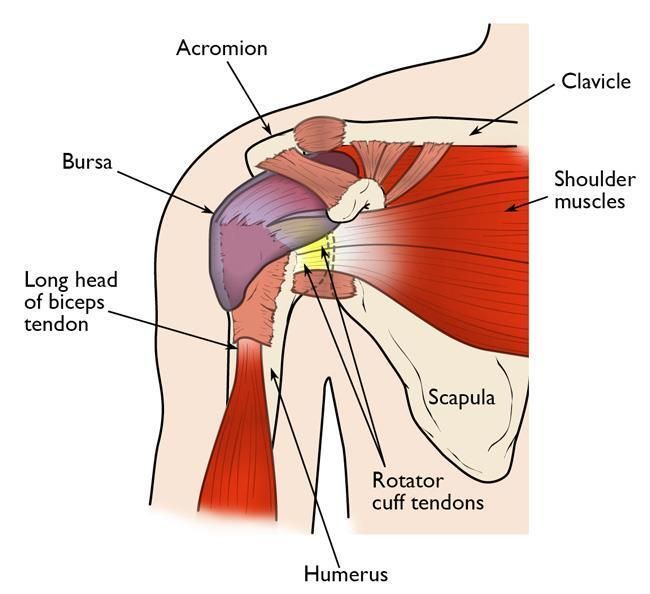
Shoulder problems refer to any condition that affects the bones, joints, ligaments, tendons, muscles, or soft tissues that make up the shoulder. Because the shoulder is the most mobile joint in the human body, it is also one of the most vulnerable to injury, overuse, degeneration, and structural imbalance.
How Do Shoulder Problems Impact Your Anatomy and Health?
Shoulder problems can lead to a wide range of physical impacts. Most immediately, they can cause pain, limit your arm's mobility, and even reduce strength in the affected area. This limitation can make it difficult to perform regular activities, such as reaching, lifting, or carrying items.
In terms of overall health, persistent shoulder issues can contribute to disrupted sleep patterns, decreased physical fitness due to avoidance of painful activities, and even mental health issues linked to chronic pain and disability.

Risk Factors for Shoulder Problems
Although shoulder problems can affect anyone, certain groups are at a higher risk. These include:
- Athletes: Especially those involved in sports requiring repetitive overhead motion, such as swimming, tennis, cricket, and weightlifting.
- Manual labourers: These include carpenters and construction workers who regularly engage in heavy lifting and repetitive arm movements.
- Older adults: Age-related wear and tear can degrade the shoulder joint and surrounding tissues.
Causes of Shoulder Problems
The causes of shoulder problems are numerous and varied. These include:
- Overuse or Repetitive Motions: Engaging in repetitive overhead movements, such as throwing a ball or painting, can lead to overuse injuries in the shoulder.
- Traumatic Injuries: Falls, direct blows, or accidents can cause fractures, dislocations, or soft tissue injuries in the shoulder.
- Degenerative Conditions: Age-related degeneration, such as osteoarthritis, can affect the shoulder joint over time, leading to pain and stiffness.
- Poor Posture: Maintaining poor posture for extended periods can place undue stress on the shoulder joint, leading to muscle imbalances and shoulder problems.
- Muscle Imbalances: Weakness or imbalance in the muscles surrounding the shoulder can compromise the joint's stability and function.
- Underlying Medical Conditions:
Certain medical conditions, such as rheumatoid arthritis, can cause inflammation and damage to the shoulder joint.
Symptoms of Shoulder Problems
Symptoms of shoulder problems depend on the specific condition, but often include:
- Persistent or recurring pain, particularly with certain movements or during rest.
- Stiffness or difficulty moving the shoulder and arm.
- Decreased strength or difficulty lifting objects.
- A grating or crackling sensation when moving the shoulder.
- Visible swelling, redness, or deformity in severe cases.
Preventing Shoulder Problems
Preventing shoulder problems involves maintaining good posture, strengthening the rotator cuff and upper back muscles, keeping the shoulder flexible, and avoiding repetitive strain that can overload tendons and joints. Simple habits such as regular stretching, proper lifting technique, adjusting workstations to reduce slouching, and gradually increasing exercise intensity all help protect the shoulder from injury. Staying active, warming up before sport, allowing adequate rest between workouts, and recognising early signs of discomfort also play important roles. Together, these steps reduce wear and tear, improve joint stability, and support long-term shoulder health.
Types of Shoulder Problems
Shoulder problems encompass a range of conditions that can affect the structures within the shoulder joint. Here are some common types of shoulder problems:
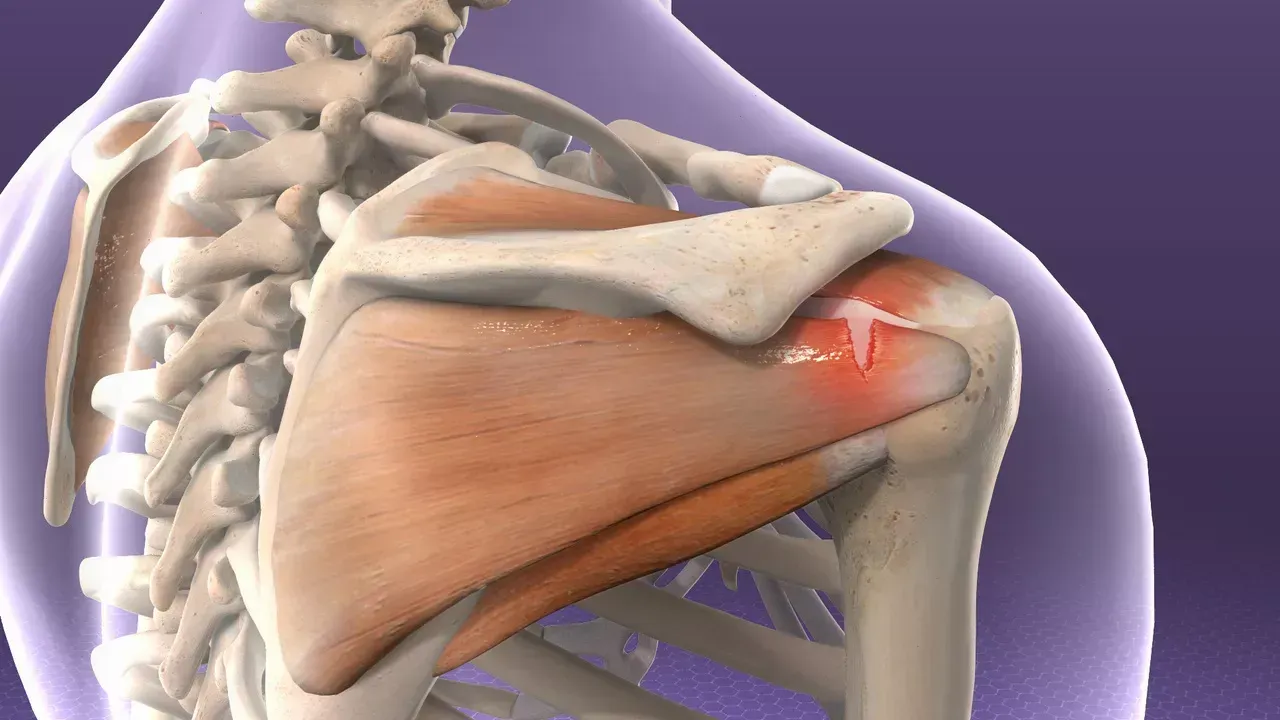
- Rotator Cuff Tears: The rotator cuff is a group of tendons and muscles that surround and stabilise the shoulder joint. Rotator cuff tears can occur from sudden trauma or degeneration over time. These tears range from partial to complete and can cause pain, weakness, and limited shoulder function.
- Frozen Shoulder (Adhesive Capsulitis): A condition characterised by pain and stiffness in the shoulder joint. It occurs when the shoulder capsule, a connective tissue surrounding the joint, becomes thickened and tight. This can restrict the shoulder's range of motion and cause significant discomfort.
- Impingement Syndrome: This condition involves the compression or pinching of the rotator cuff tendons and the bursa, a fluid-filled sac that acts as a cushion between the tendons and the acromion (a bony prominence of the scapula). Shoulder impingement syndrome can cause pain, weakness, and difficulty with overhead movements.
- Instability: A condition where the shoulder joint is prone to recurrent dislocations or subluxations (partial dislocations). It occurs when the structures that hold the joint in place, such as ligaments and the labrum, are stretched or torn. Shoulder instability can cause pain, a feeling of the shoulder "popping out," and a limited range of motion.
- Bursitis: The inflammation of the bursae, which are small fluid-filled sacs that provide cushioning and reduce friction between tendons, muscles, and bones. Shoulder bursitis most commonly involves the subacromial bursa, leading to shoulder pain and swelling.
- Arthritis: Inflammation and degeneration of joint surfaces. In the shoulder, two common types of arthritis are osteoarthritis and rheumatoid arthritis. Osteoarthritis occurs due to wear and tear of the joint over time, while rheumatoid arthritis is an autoimmune condition that causes joint inflammation. Both types can lead to pain, stiffness, and decreased shoulder mobility.
- Fractures: Fractures in the bones of the shoulder joint, such as the clavicle, scapula, or proximal humerus, occur due to trauma resulting from falls or direct blows. Fractures can cause severe pain, swelling, and limited shoulder movement.
- Tendonitis: This is inflammation of tendons, the fibrous tissues that connect muscles to bones. In the shoulder, tendonitis often affects the biceps tendon or the rotator cuff tendons. It can cause pain, tenderness, and weakness in the affected area.
- Labral Tears: The labrum is a cartilage ring that lines the shoulder socket's (glenoid’s) rim. Labral tears can occur from injury or repetitive shoulder motions. They can cause pain, instability, and catching or popping sensations in the shoulder.
Stages of Shoulder Problems
Shoulder problems typically develop in stages, starting with minor discomfort and progressing to more significant issues if left untreated:
- Early Stage: Characterised by mild pain and slight limitation of movement.
- Intermediate Stage: Increased pain and further limitation of movement.
- Advanced Stage: Severe pain, significant movement limitation, and potential muscle weakness or atrophy.
Diagnosis of Shoulder Problems
Shoulder problems are diagnosed using a combination of clinical evaluation and imaging techniques. Your doctor will typically begin with a detailed medical history and physical examination. They might check your shoulder strength, range of motion, and pain levels during different movements.
Imaging tests such as X-rays, ultrasounds, CT scans, or magnetic resonance imaging (MRI) can provide detailed views of the shoulder's structure, helping identify injuries or changes associated with various conditions.
Treatment for Shoulder Problems
Treatment for shoulder problems depends on the specific condition, severity, and individual factors. Treatment goals are to alleviate pain, restore function, and improve quality of life. Treatment options include:
Non-surgical Approaches
- Rest: Temporary avoidance of activities that exacerbate symptoms.
- Physiotherapy: Targeted exercises to improve range of motion, flexibility and strength.
- Medication: Nonsteroidal anti-inflammatory drugs (NSAIDs), corticosteroid injections, or other pain-relieving medications.
- Other Modalities: Heat or ice therapy, ultrasound, or electrical stimulation.
- Lifestyle Modifications: Ergonomic adjustments, posture correction, and activity modification.
Surgical Interventions
- Arthroscopy: A minimally invasive procedure using small incisions and a tiny camera to repair or remove damaged tissues.
- Open Surgery: In some cases, open surgery may be required, such as for extensive rotator cuff tears or joint replacement procedures.
What if Shoulder Problems are Untreated?
If left untreated, shoulder problems can worsen over time. Severe cases may lead to permanent loss of motion or function in the shoulder, affecting quality of life and the ability to perform daily tasks. It's essential to seek medical advice if you're experiencing persistent shoulder pain or stiffness.
- Increased Pain and Disability: Untreated shoulder problems can lead to chronic, worsening pain, limiting daily activities and affecting overall well-being.
- Loss of Functionality: Over time, untreated shoulder problems can lead to decreased range of motion and strength, hindering the ability to perform tasks and activities.
- Muscle Atrophy: Inactivity and immobility can lead to muscle wasting and weakness.
- Joint Degeneration: Some shoulder problems, such as rotator cuff tears or arthritis, can worsen over time, leading to further damage and joint degeneration.
- Complications:
In severe cases, untreated shoulder problems can result in long-term complications, such as chronic pain, shoulder instability, and irreversible joint damage.