
knee pain
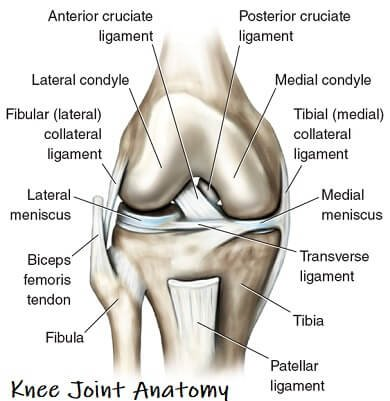
Knee Anatomy
The knee is the biggest joint in the body, and one of the most easily injured. It comprises four main components: bones, cartilage, ligaments, and tendons.
- Bones: Three bones meet to form your knee joint: your thighbone (femur), shinbone (tibia), and kneecap (patella).
- Articular cartilage: The ends of the femur and tibia, and the back of the patella, are covered with articular cartilage. This slippery substance helps your knee bones glide smoothly across each other as you bend or straighten your leg.
- Meniscus: Two wedge-shaped pieces of meniscal cartilage act as "shock absorbers" between your femur and tibia. Unlike articular cartilage, the meniscus is tough and rubbery, helping cushion and stabilise the joint. When people talk about torn cartilage in the knee, they are usually referring to torn meniscus.
- Ligaments: Bones are connected to other bones by ligaments. The four main ligaments in your knee act like strong ropes to hold the bones together and keep your knee stable.
- Collateral Ligaments: These are found on the sides of your knee. The medial collateral ligament is on the inside of your knee, and the lateral collateral ligament is on the outside. They control the lateral motion of your knee and help brace it against abnormal movement.
- Cruciate ligaments: These are found inside your knee joint. They cross each other to form an "X" with the anterior cruciate ligament in front and the posterior cruciate ligament in back. The cruciate ligaments control the back-and-forth motion of your knee.
- Tendons: Muscles are connected to bones by tendons. The quadriceps tendon connects the muscles in the front of your thigh to your patella. Stretching from your patella to your shinbone is the patellar tendon.
What is Knee Pain?
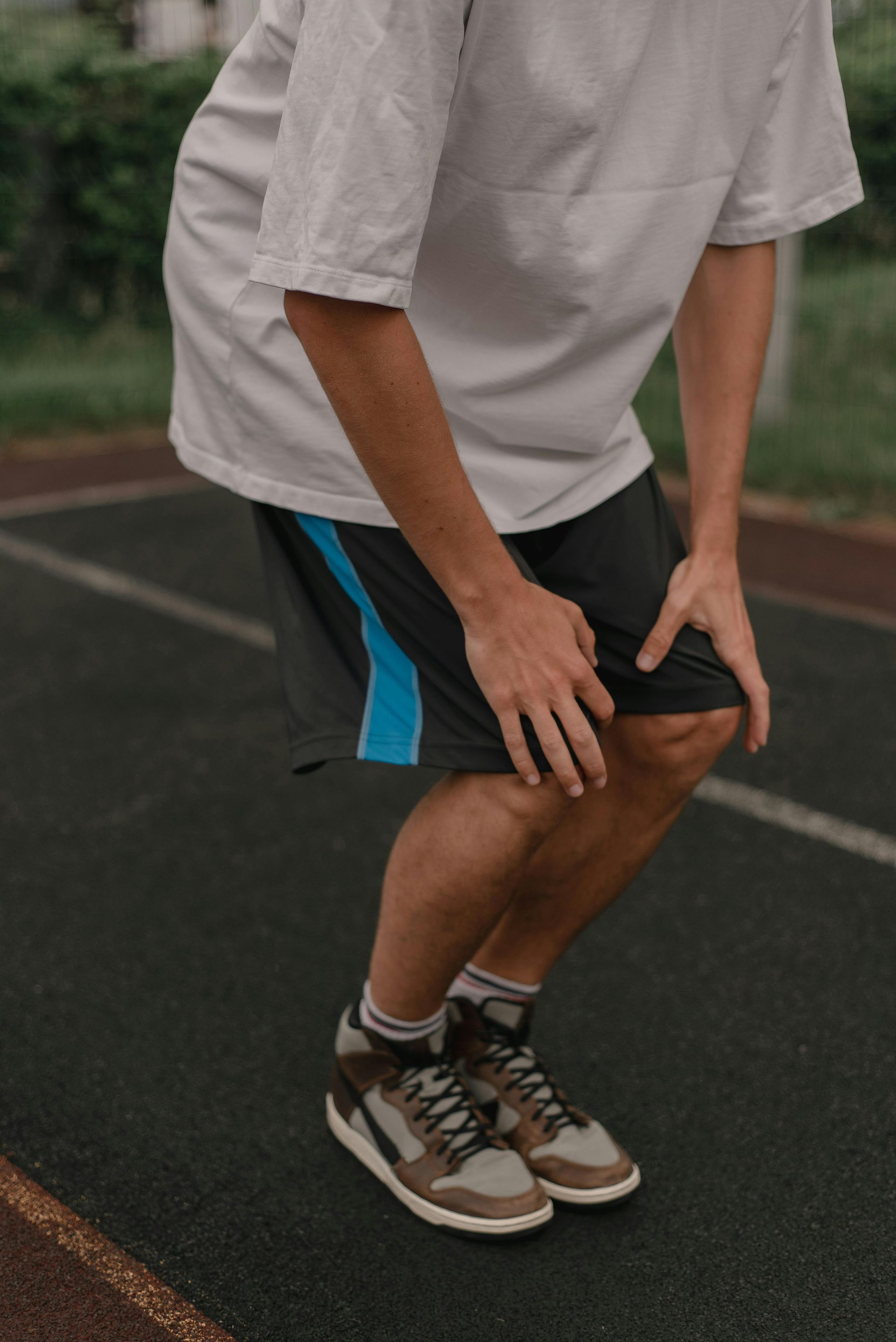
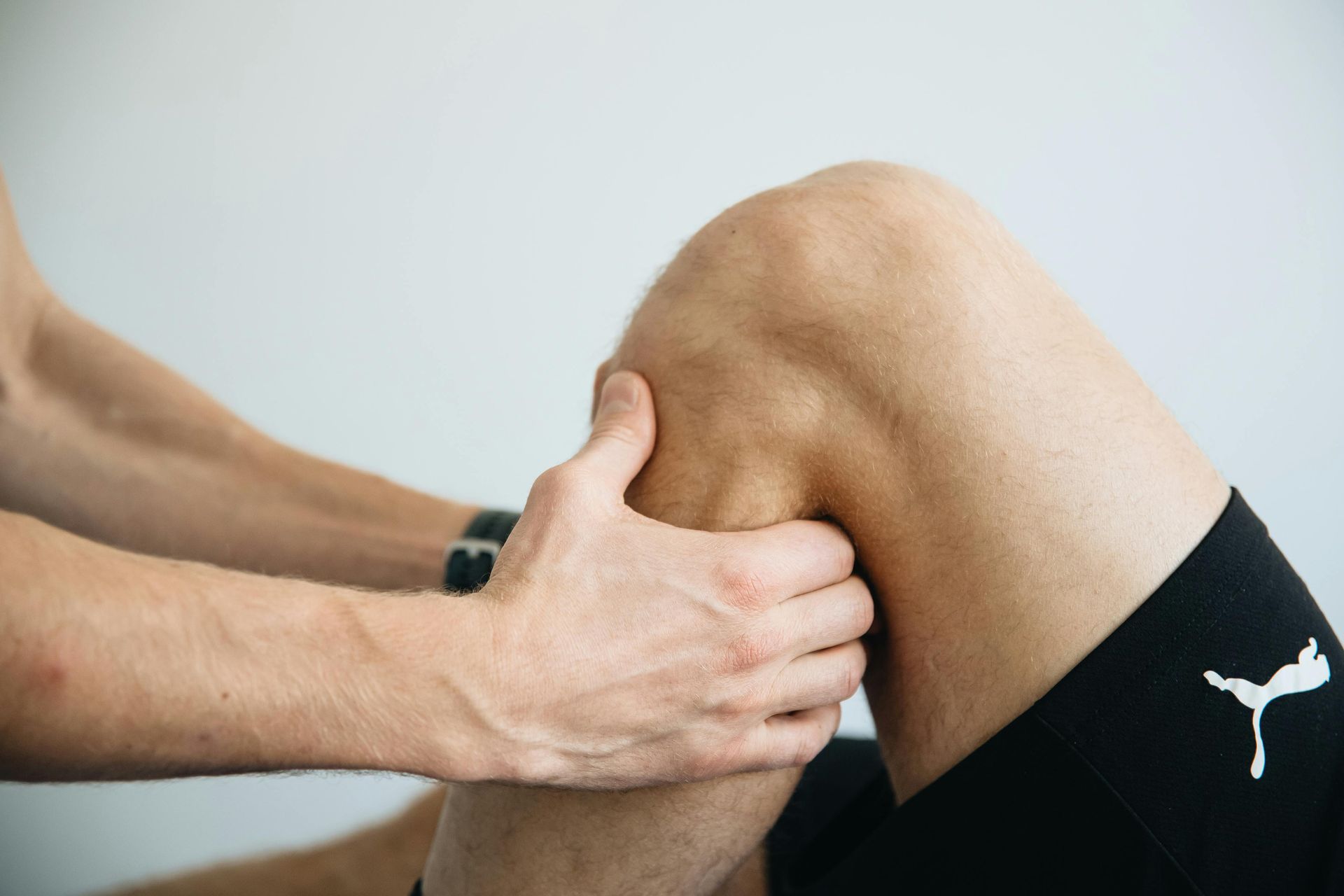
Knee pain is discomfort, stiffness, or soreness felt in or around the knee joint. It can be mild and occasional or severe and constant, depending on the underlying cause. The knee is a complex structure made of bones, cartilage, ligaments, tendons, muscles, and fluid-filled sacs called bursae. When any of these tissues become irritated, inflamed, injured, or worn down, knee pain can develop.
How Does Knee Pain Impact Your Anatomy and Health?
Knee pain can lead to decreased mobility, flexibility, and strength, making it challenging to perform daily activities. Chronic knee pain can also cause swelling, stiffness, and instability of the knee joint, making it difficult to maintain balance and coordination. Additionally, it can lead to psychological distress, such as anxiety, depression, and reduced quality of life.
Risk Factors for Knee Pain
Individuals who are overweight or obese, athletes who engage in high-impact sports, and older adults are at higher risk of developing knee pain. Additionally, people with knee injuries, such as a torn ligament or meniscus, are more likely to develop knee pain.
Cause of Knee Pain
- Knee Arthritis or Osteoarthritis is the most common cause of chronic knee pain in older adults. Osteoarthritis occurs when the cartilage that cushions the knee joint wears away, causing the bones to rub against each other, leading to pain and stiffness.
- Rheumatoid arthritis is an autoimmune disease that causes joint inflammation, including the knee joint, leading to pain and swelling.
- Knee injuries, such as a torn ligament or meniscus, can cause chronic knee pain.
- Tendinitis is the inflammation of the tendons that connect the muscles to the knee joint.
- Bursitis is the inflammation of the bursae, small fluid-filled sacs that cushion the knee joint.
- Patellofemoral pain syndrome is a condition that causes pain and discomfort in the front of the knee, often due to overuse or improper alignment of the patella (kneecap).
Symptoms Related to Knee Pain
Knee pain can manifest in various ways, depending on the underlying cause. Some common symptoms of chronic knee pain include:
- Knee inflammation or swelling,
- Knee cracking or popping sounds,
- Knee buckling and locking
- Poor range of motion or knee stiffness,
- Loss of joint space, and
- Knee Deformities
Knee Inflammation
Periodic inflammation, swelling or tenderness in your knee can cause pain. This may be caused by the formation of bone spurs (osteophytes) or by excess fluid in the knee.
Swelling may be more pronounced after prolonged activities, such as in the morning. The skin on your knee may look red or feel warm when you touch it.
Over time, you may experience chronic knee inflammation that does not improve with over-the-counter medications or anti-inflammatory drugs.
Knee Buckling and Locking
Over time, the muscles in your knee may weaken, and the entire joint structure can become unstable.
The overall weakness in the knee can cause your knee to give way or buckle. The joint can also stick or lock up, so you cannot bend or straighten it when you want to.
These symptoms and pain can come and go for no apparent reason.
Knee Cracking or Popping Sounds
A grinding sensation in your knees can occur as you move. You might even hear cracking or popping sounds from your knees. These can be a sign of arthritis.
These symptoms can occur with the loss of knee cartilage. This smooth covering helps with your knee's smooth range of motion. Cartilage loss can cause significant pain.
If you have knee arthritis, the disturbing noises and grinding feeling result from rough surfaces and bone spurs rubbing together as you move your joints.
Poor Range of Knee Motion
Pain can arise from arthritis, challenging knee joints to glide as they should, making previously simple movements increasingly tricky.
Patients notice a restricted range of motion and difficulty with climbing stairs or other challenging activities.
As osteoarthritis progressively wears away the knee cartilage, the pain worsens. As the knee joint movement no longer functions normally, simple tasks such as walking become difficult.
Loss of Joint Space
X-ray diagnosis of the knees can help understand the loss of joint space that causes pain, poor range of motion and unsettling sounds.
The space that usually allows freedom of movement is lost to bone spurs and other rough surfaces on the ends of bones. Bone spurs can occur when cartilage is worn away or calcifies. These spurs are a common sign of osteoarthritis.
Knee Deformities
Knee appearance, such as thinning or sunken muscles around the knees, can weaken and cause pain.
The knees can begin to point toward each other, creating a knock-kneed effect. They can also bend outward, creating a bow-legged look. Deformities of the knee can range from barely noticeable to quite severe.
Preventing Knee Pain
Preventing knee pain involves protecting the joint from unnecessary stress while keeping the surrounding muscles strong and flexible. Most strategies focus on lifestyle habits and reducing the chance of injury.
- Maintain a healthy weight: Excess body weight places added pressure on the knee joint, especially during walking, climbing stairs, or running. Even small reductions in weight can lower the risk of long-term joint strain.
- Strengthen supporting muscles: Strong quadriceps, hamstrings, glutes, and calf muscles help stabilise the knee and absorb impact. Regular strengthening exercises lower the risk of injury.
- Improve flexibility: Stretching the legs, hips, and lower back supports normal movement patterns and reduces tightness that can strain the knee.
- Choose supportive footwear: Wearing shoes with proper cushioning and arch support helps distribute forces evenly across the legs.
- Avoid sudden increases in activity: Gradually build up exercise duration and intensity to prevent overuse injuries.
- Use proper technique: Safe movement patterns during sport, lifting, and daily activities minimise unnecessary twisting or impact on the knee.
- Warm up before exercise: Gentle movement prepares the muscles and joints for activity, reducing the risk of injury.
- Manage underlying conditions: Treating arthritis, flat feet, muscle imbalances, or previous injuries helps prevent progressive knee problems.
Types of Knee Pain
Knee pain can be classified into three types based on the underlying cause and the pain experienced. These types are nociceptive, neuropathic, and centralised pain.
- Nociceptive Pain is the most common type of chronic knee pain caused by tissue damage or inflammation in and around the knee joint. Nociceptive pain can be further classified into two types: somatic and visceral. Somatic nociceptive pain occurs when pain receptors in the tissues and joints are stimulated, causing sharp, throbbing, or aching pain. Visceral nociceptive pain occurs when pain receptors in the organs, such as the knee joint, are stimulated, causing deep, dull, or pressure-like pain.
- Neuropathic Pain occurs due to nerve damage, which can result from an injury, a medical condition such as diabetes, or other causes. Neuropathic pain is often described as a burning, tingling, or shooting pain, sometimes accompanied by numbness or weakness.
- Centralised Pain is caused by an abnormality in the central nervous system, which can result in chronic pain in multiple parts of the body, including the knee joint. Centralised pain is often associated with fibromyalgia or chronic fatigue syndrome. It is characterised by constant, widespread pain, usually accompanied by fatigue, sleep disturbances, and mood changes.
Diagnosis of Knee Pain
To diagnose chronic knee pain, your doctor will conduct a physical examination, review your medical history, and perform diagnostic tests, such as X-rays, MRI scans, or blood tests. Your doctor may also recommend joint aspiration, which involves removing fluid from the knee joint to test for infection or other underlying conditions.
Treatment for Knee Pain
The treatment for knee pain depends on the underlying cause, the severity of the pain, and the patient's overall health. Some standard treatment options for knee pain include:
- Pain medication: Over-the-counter pain medication, such as acetaminophen or nonsteroidal anti-inflammatory drugs (NSAIDs), can help relieve mild to moderate chronic knee pain.
- Physical therapy: Physical therapy can help improve knee function and reduce pain through exercises that strengthen the muscles around the knee joint.
- Injections: Corticosteroid injections can relieve chronic knee pain by reducing inflammation in the knee joint.
- Surgery: Surgery may be necessary to manage severe chronic knee pain caused by injuries, arthritis, or other underlying conditions. Knee replacement surgery is a common procedure involving replacing the damaged knee joint with an artificial joint.
What if Knee Pain is Untreated?
Untreated knee pain can lead to several complications, including reduced mobility, decreased quality of life, and increased risk of falls and injuries. Knee pain can also lead to psychological distress, such as anxiety and depression, and may interfere with daily activities, including work, socialising, and exercise.
In some cases, knee pain can lead to permanent joint damage. It is essential to seek medical attention if you experience persistent knee pain, as early diagnosis and treatment can help prevent complications and improve your overall health and well-being.