
Knee Ligament Injuries
What are Knee Ligament Injuries?
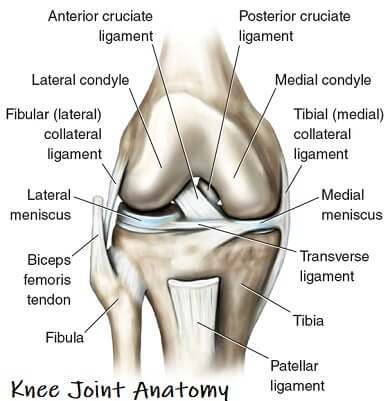
Knee ligament injuries occur when one or more of the strong, fibrous bands that stabilise the knee joint become overstretched, partially torn, or completely torn. These ligaments connect the thigh bone to the shin bone and help control movement. When injured, the knee may feel unstable, painful, or unable to support normal activity.
There are four main ligaments in the knee. The ACL and PCL are located within the joint and control forward and backward movement of the tibia. The MCL and LCL sit on the sides of the knee and control side-to-side stability. Injuries may affect a single ligament or multiple ligaments, depending on the force and direction of the trauma. While some minor sprains heal with rest, severe tears often require structured rehabilitation or surgery for full recovery.
How Do Knee Ligament Injuries Impact Your Anatomy and Health?
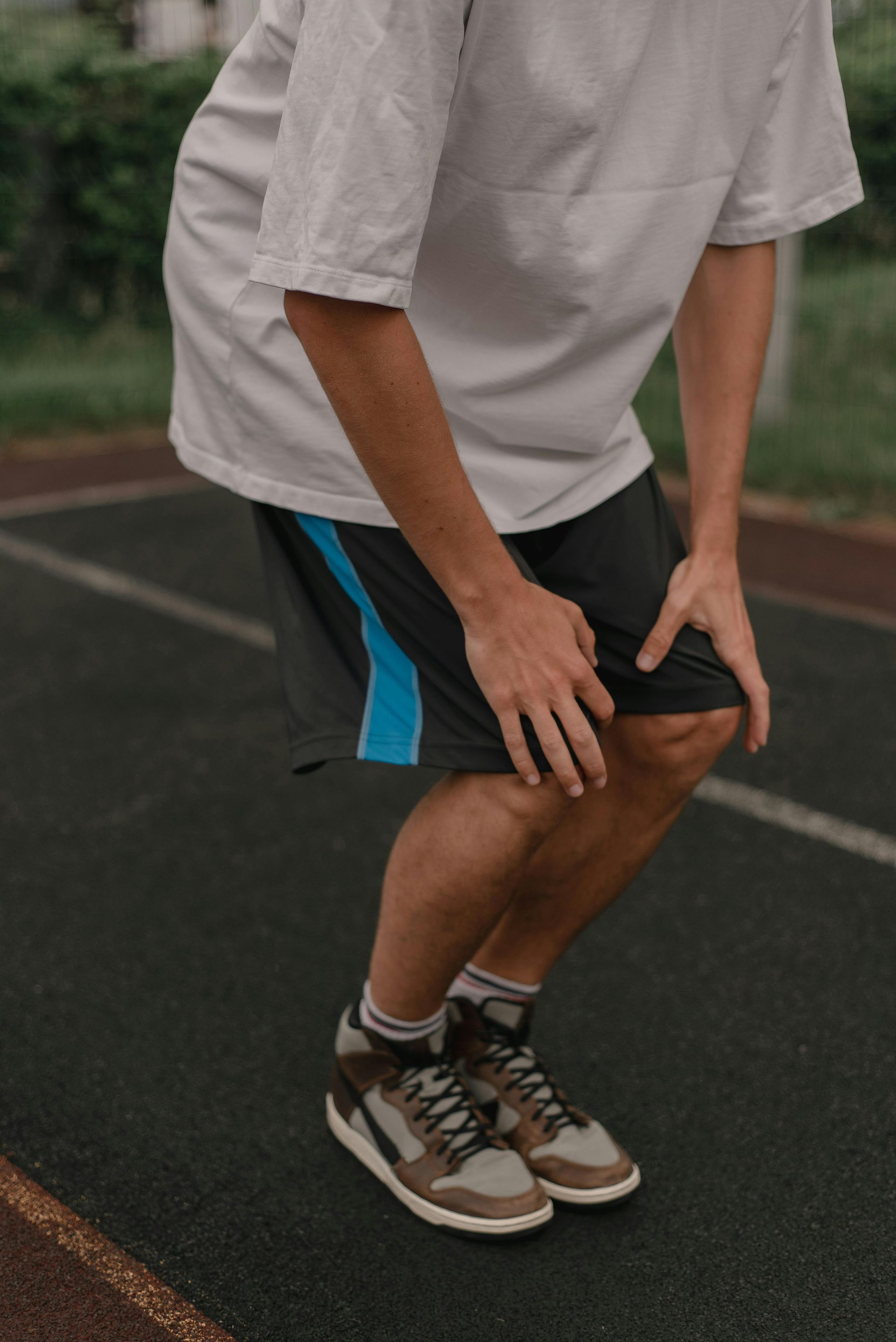
When a ligament is damaged, the knee can no longer function smoothly. The affected ligament may lose strength and stability, thereby altering how the bones move and how the surrounding muscles and tendons function. This disruption can place additional stress on the joint and alter how a person walks, climbs stairs, or performs physical tasks.
The longer a ligament injury is left untreated, the more the knee compensates in unhealthy ways. This can lead to weakening of the quadriceps and hamstring muscles, strain on the cartilage, and irritation of the joint lining. Over time, these changes can contribute to early joint wear, persistent swelling, and an increased risk of developing arthritis. For active individuals, knee ligament injuries can significantly limit participation in sports and daily movement, and even affect confidence in using the injured leg.
Risk Factors for Knee Ligament Injuries
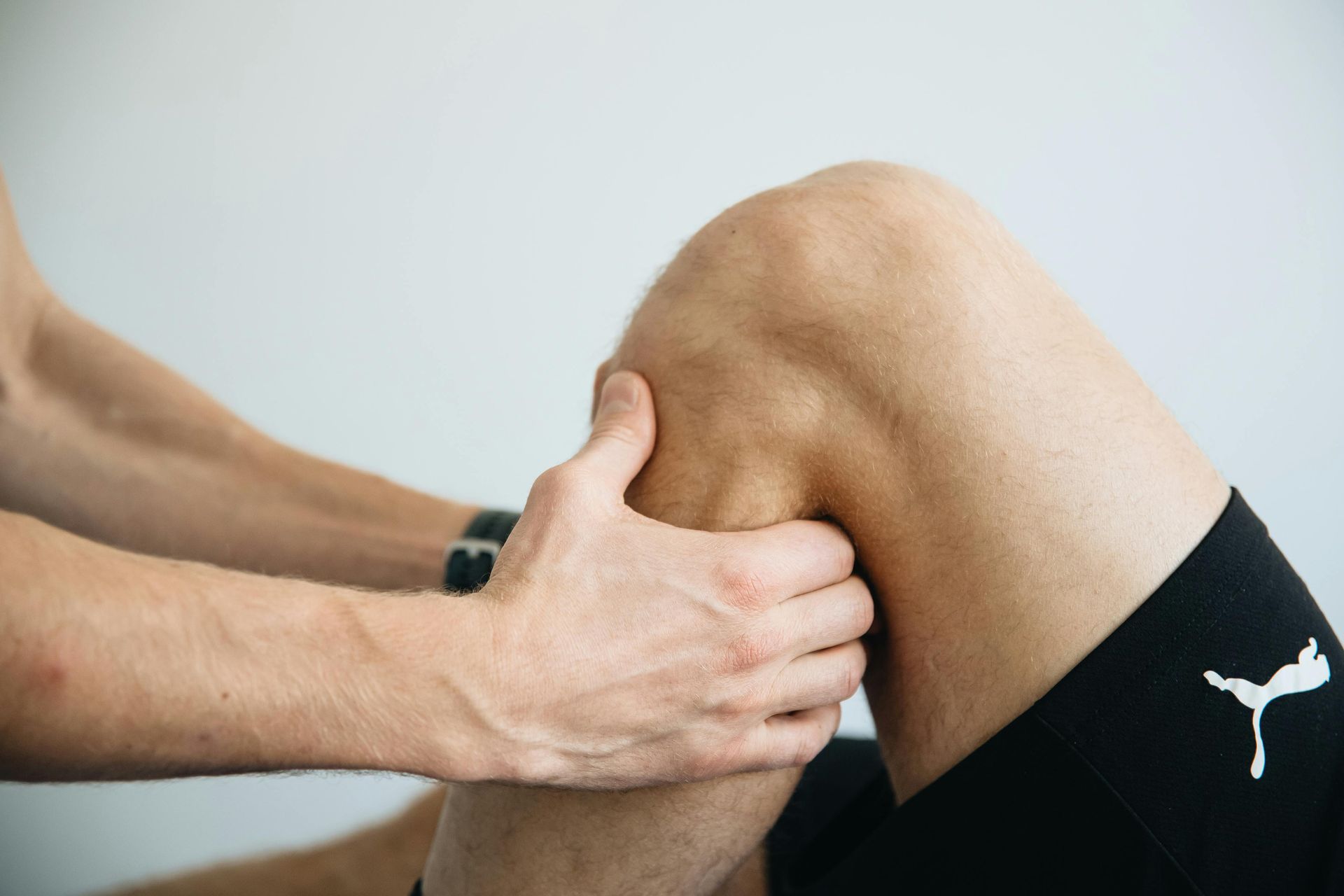
Although knee ligament injuries can happen to anyone, some groups have a higher risk because of their activities, body mechanics, or health factors. Recognising these risks can help prevent and treat them early.
- Athletes in high-demand sports: People who play soccer, rugby, basketball, netball, skiing, tennis, or other sports involving sudden stops, pivots, or jumps have a greater chance of ligament tears, especially ACL injuries.
- Individuals with poor muscle strength or flexibility: Weakness in the quadriceps, hamstrings, glutes, or core muscles reduces the knee’s natural support, making the ligaments more vulnerable during movement.
- People returning to activity too early after injury: When past injuries are not fully healed, the knee may lack stability and proper movement patterns, increasing the risk of repeat injury.
- Women in certain sports: Anatomical and hormonal factors may make female athletes more likely to experience ACL injuries compared with men.
- Older adults: As ligaments naturally lose elasticity with age, they may be more prone to sprains or tears during physical activity.
- Workers with physical or repetitive tasks: Jobs involving kneeling, lifting, turning, or sudden movements may increase strain on the knee.
Causes of Knee Ligament Injuries
Knee ligament injuries usually occur when the ligament is forced beyond its natural limits due to a sudden movement, direct impact, or awkward positioning. These injuries can develop from sports, accidents, or everyday activities.
- Sudden twisting or pivoting movements: Quick direction changes can overload the ligaments, particularly the ACL and MCL.
- Direct impact to the knee: A blow to the outside or front of the knee can stretch or tear one or more ligaments.
- Landing awkwardly from a jump: Poor alignment or weak muscle control during landing can stress the ligaments.
- Hyperextension of the knee: Straightening the knee too far can damage the ACL or other stabilising structures.
- Repetitive stress or overuse: Long-term strain from training, exercise, or work-related movements can weaken ligaments.
- Motor vehicle accidents: Sudden force or impact in a collision can cause severe ligament tears.
- Slips, trips, or falls: Quick or uncontrolled movements during a fall may overstretch the ligaments.
Symptoms of Knee Ligament Injuries
Symptoms depend on which ligament is injured and the severity of the injury. Some individuals experience immediate pain and instability, whereas others notice swelling and stiffness developing over several hours.
- Sudden pain in the knee: Often described as sharp, intense, or deep inside the joint.
- A popping sound or sensation: Many ACL injuries cause an audible or felt “pop” at the moment of injury.
- Swelling and inflammation: Fluid builds up around the joint, usually within a few hours.
- Knee instability or “giving way”: The knee may feel loose, weak, or unable to support weight during walking or turning.
- Reduced range of movement: Bending or straightening the knee may feel painful or restricted.
- Difficulty walking or bearing weight: Some individuals cannot resume activity immediately after injury.
- Tenderness along the joint line: Touching the injured area may cause discomfort.
If symptoms are severe, worsen over time, or do not improve within a few days, a medical assessment is important to confirm the diagnosis and prevent long-term damage.
Preventing Knee Ligament Injuries
Prevention focuses on strengthening the muscles around the knee, improving movement patterns, and avoiding unnecessary strain. Simple lifestyle habits and targeted exercises can reduce the risk of ligament injuries in both active individuals and the general population.
- Strengthen the supporting muscles: Strong quadriceps, hamstrings, calves, and gluteal muscles help protect the ligaments by improving knee stability.
- Improve balance and coordination: Training that enhances body control, such as balance exercises or agility drills, can reduce the risk of injury during rapid movements.
- Warm up properly before activity: Light aerobic exercise and dynamic stretching prepare the muscles and joints for movement.
- Practise safe landing techniques: Learning to land from jumps with knees aligned and slightly bent reduces pressure on the ligaments.
- Avoid sudden increases in activity: Gradually building up training intensity allows the ligaments and muscles to adapt safely.
- Use proper footwear and equipment: Supportive shoes and well-maintained sports gear help prevent slips and uncontrolled movements.
- Address muscle imbalances: Physiotherapy or guided exercises can correct weak or tight muscle groups that place excess strain on the knee.
- Maintain a healthy body weight: Extra weight increases pressure on the knee joint and its stabilising ligaments.
- Seek early treatment for minor knee issues: Addressing pain, weakness, or instability early can prevent more serious injuries.
Types of Knee Ligament Injuries
Knee ligament injuries are classified into three grades based on their severity:
- Grade I (Mild): The ligament is slightly stretched, with no instability in the knee joint.
- Grade II (Moderate): The ligament is partially torn, causing joint looseness and instability.
- Grade III (Severe):
The ligament is completely torn or detached from the bone, resulting in knee instability.
Common Ligament Injuries
PCL Rupture
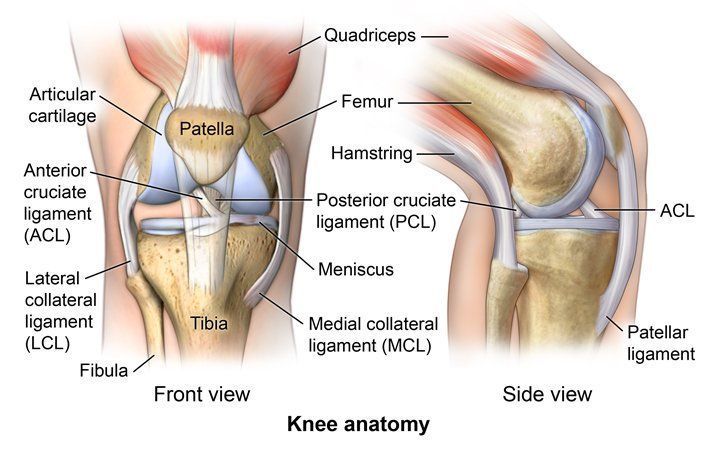
The Posterior Cruciate Ligament (PCL) is one of the four major ligaments in the knee, responsible for preventing the tibia from moving too far backward in relation to the femur. PCL injuries are typically caused by direct impact, such as falling onto a bent knee, sports accidents, or motor vehicle collisions. While less common than ACL injuries, PCL ruptures can cause significant knee instability and, if untreated, may lead to chronic knee problems such as instability and arthritis.
MCL Rupture
The Medial Collateral Ligament (MCL) is located on the inner side of the knee and helps stabilise the knee by controlling sideways movement. MCL injuries are typically caused by external forces that push the knee inward, often during activities such as football, rugby, soccer, or skiing. MCL tears can range from mild to severe and may result in knee instability and pain.
LCL and ACL Injuries
Lateral Collateral Ligament (LCL) and Anterior Cruciate Ligament (ACL) injuries are typically caused by sudden twists, impacts, or changes in direction. ACL injuries, in particular, are highly prevalent among athletes and individuals involved in sports that require pivoting movements.
Stages of Knee Ligament Injuries
Ligament injuries are classified into three stages (grades) based on how much the ligament fibres are damaged. These stages help determine how the injury is managed.
- Grade 1 sprain (mild): The ligament is overstretched but not torn. Patients often feel mild pain and tenderness, but the knee remains stable. Most people can walk with minimal discomfort, and swelling may be limited.
- Grade 2 sprain (moderate): This is a partial tear of the ligament. Pain, swelling, and bruising are more noticeable, and the knee may feel slightly unstable during movement. Walking may be uncomfortable, and activity is usually limited.
- Grade 3 sprain (severe): This is a complete tear of the ligament. There is significant swelling, pain, and instability. People often find it difficult or impossible to put weight on the knee. Grade 3 injuries frequently require surgical treatment, especially for ACL or combined ligament tears.
Diagnosis of Knee Ligament Injuries
Diagnosis begins with a thorough physical examination to assess the knee's stability, range of motion, and any visible deformities. During this exam, Dr Kinzel will evaluate for signs of ligament instability, such as increased laxity compared with the uninjured knee.
Imaging tests are crucial for confirming the diagnosis and identifying the extent of the injury:
- X-rays: Used to rule out fractures or dislocations.
- MRI: The gold standard for diagnosing ligament injuries, providing detailed images of the ligaments, tendons, and surrounding tissues.
Treatment Options for Ligament Injuries
The treatment approach for knee ligament injuries depends on the type, location, and severity of the injury.
Non-Surgical Treatment
Non-surgical treatment is often appropriate for mild to moderate ligament injuries, especially when the knee remains stable and functional.
Treatment typically includes:
- Rest and Activity Modification: Avoiding weight-bearing activity and limiting movement to allow the ligament to heal.
- R.I.C.E. Protocol: Rest, Ice, Compression, and Elevation to reduce swelling and manage pain.
- Bracing: A knee brace may be used to stabilise the knee and prevent further stress on the injured ligament.
- Physiotherapy: A targeted rehabilitation program is essential for restoring strength, mobility, and stability to the knee.
Surgical Treatment
Surgical intervention is usually considered for more severe injuries or when non-surgical treatments have failed. Depending on the type of ligament injury, surgical options may include:
- ACL/PCL Reconstruction: A tendon graft, typically harvested from the hamstrings, patellar tendon, or quadriceps tendon, is used to reconstruct the torn ACL or PCL. Surgical reconstruction aims to restore stability and reduce the risk of future knee injuries. Find out more about ACL Reconstruction.
- MCL Repair or Reconstruction: In cases of severe MCL tears, surgery may be necessary to repair or reconstruct the ligament.
- Internal Fixation: Displaced fractures or severe ligament tears may require screws, plates, or other fixation devices to realign and stabilise the knee.
Recovery and Rehabilitation From Ligament Injuries
Recovery from ligament injuries, especially after surgery, requires a structured rehabilitation plan. Following surgery, patients can expect:
- Initial Immobilisation: The knee will be immobilised to prevent further injury, usually with a brace or splint for 4-6 weeks.
- Physical Therapy: A structured rehabilitation program is essential for restoring strength, flexibility, and range of motion in the knee.
- Gradual Return to Activity: Weight-bearing activities can be resumed progressively, with full recovery expected in 3-6 months, depending on the severity of the injury and the type of surgery.
What if Knee Ligament Injuries are Untreated?
Without appropriate treatment, knee ligament injuries can lead to persistent issues that affect daily life, mobility, and long-term joint health. Even mild injuries may worsen if the knee is repeatedly stressed without support or rehabilitation.
- Chronic instability: A damaged ligament cannot stabilise the knee properly. This may cause the knee to repeatedly give way, especially during turning or stepping movements.
- Muscle weakness and imbalance: Without rehabilitation, the supporting muscles weaken over time, making the knee less protected and more prone to reinjury.
- Increased risk of cartilage damage: An unstable knee places uneven pressure on the cartilage, increasing the risk of meniscus tears or joint surface wear.
- Early osteoarthritis: Long-term instability and cartilage damage can accelerate joint degeneration, leading to arthritis at a younger age.
- Reduced ability to participate in work or sport: Ongoing pain, swelling, or instability may limit physical activity and affect job performance, especially in roles involving movement or manual labour.
- Chronic pain and swelling: Untreated ligament injuries may cause persistent inflammation, stiffness, and discomfort.
- Higher likelihood of needing surgery later: Damage can build over time, eventually requiring more complex surgical procedures than would have been needed if treated early.