
Knee Bursitis
What is Knee Bursitis?
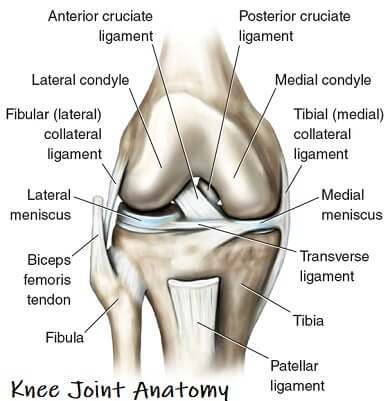
Knee bursitis is a condition where one or more of the small fluid-filled sacs around the knee become irritated or inflamed. These sacs, called bursae, sit between bones, tendons, ligaments, and skin to reduce friction and allow smooth movement. When a bursa becomes swollen, it can cause pain, stiffness, and difficulty kneeling or bending the knee. Bursitis can occur suddenly after an injury or develop slowly from repeated pressure or overuse. Although the knee has several bursae, the most commonly affected are the prepatellar bursa at the front of the knee, the infrapatellar bursa below the kneecap, and the pes anserine bursa on the inner side of the knee. Knee bursitis is treatable, and most people recover well with early care.
How Does Knee Bursitis Impact Your Anatomy and Health?
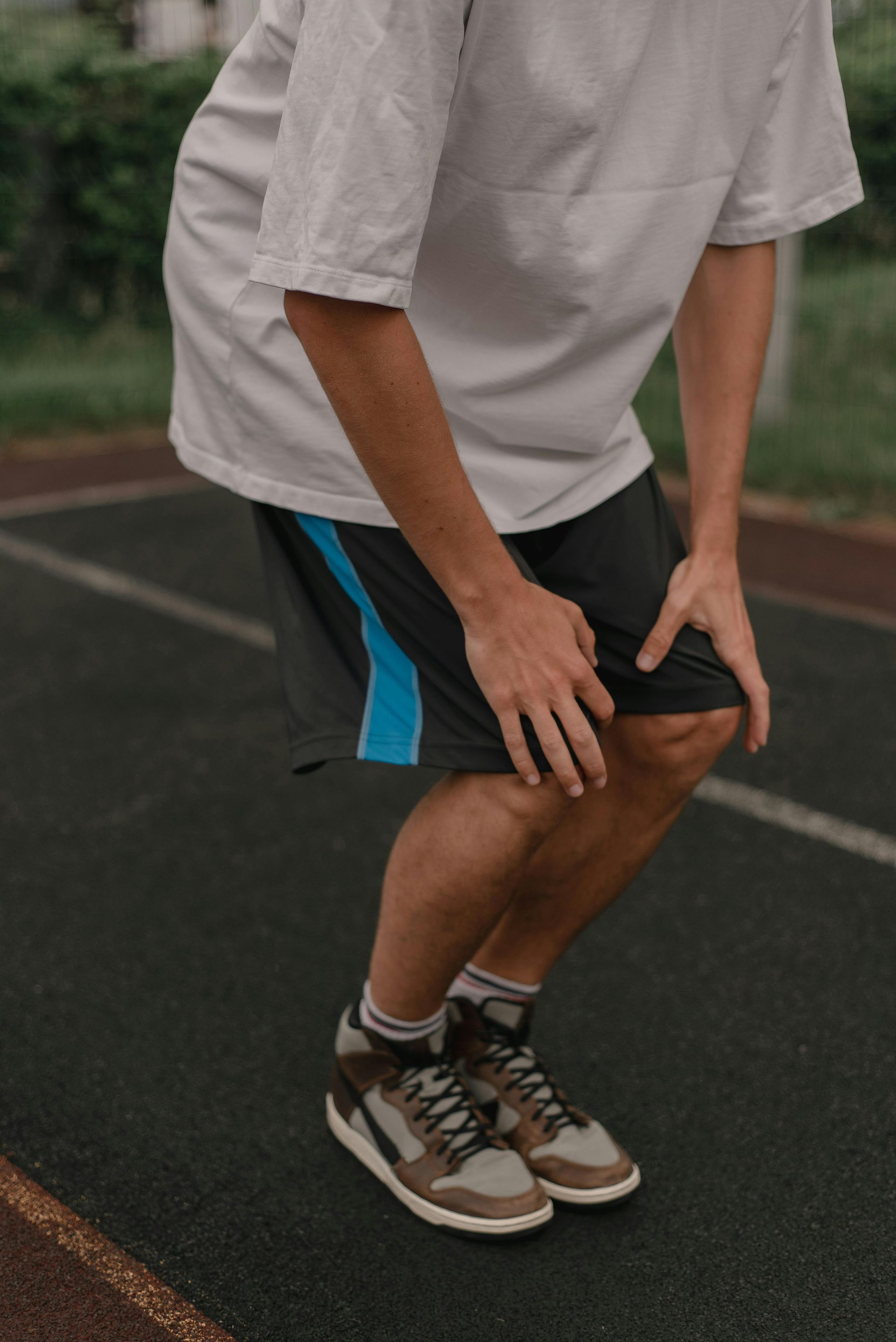
Bursitis affects how smoothly the knee moves by reducing the ability of the bursa to cushion and lubricate surrounding structures. When the bursa becomes inflamed, it accumulates excess fluid and becomes irritated. This swelling increases pressure in the knee, making movements such as kneeling, climbing stairs, or bending the knee more painful. Inflammation can also cause nearby tendons and ligaments to work harder, leading to secondary discomfort or tightness. Over time, untreated bursitis can limit daily activities. Walking may feel slow and uncomfortable, and kneeling can become nearly impossible due to sharp pain or swelling. In rare cases, the bursa can become infected, a condition known as septic bursitis, which requires urgent medical treatment. While bursitis does not damage the knee joint itself, it can significantly affect comfort, mobility, and quality of life when symptoms flare.
Risk Factors for Knee Bursitis
Knee bursitis can affect anyone, but certain groups are more likely to develop it due to lifestyle, occupation, or health factors.
- People who kneel often: Occupations such as plumbers, gardeners, carpenters, cleaners, and tradespeople place repeated pressure on the knee.
- Athletes: Activities that involve frequent jumping, running, or sudden changes in direction increase strain on the knee. Sports such as basketball, soccer, and wrestling are associated with a higher risk of bursitis.
- Older adults: As tissues age, they become more prone to irritation and inflammation.
- Individuals with underlying joint conditions: Osteoarthritis, rheumatoid arthritis, gout, and tendon irritation, can all increase susceptibility.
- People with poor lower-limb alignment or muscle weakness: Imbalances can place extra stress on the knee structures.
- Patients who have experienced direct trauma: Falls or kneeling on hard surfaces can trigger inflammation in the bursa.
- Individuals with obesity: Extra weight increases the strain on the knee during movement.
- Those with a history of repetitive overuse: Regular squatting, stair climbing, or training without adequate rest can contribute.
Causes of Knee Bursitis
Knee bursitis can develop from a variety of triggers that irritate or injure the bursa.
- Repetitive kneeling: One of the most common causes, especially in occupations requiring prolonged pressure on the knee.
- Direct trauma: A blow or fall on the knee can inflame the bursa.
- Overuse injuries: Excessive running, jumping, or sudden increases in training load can stress the bursa.
- Underlying medical conditions: Conditions such as gout, rheumatoid arthritis, and osteoarthritis can increase inflammation in nearby tissues.
- Infection: Bacteria can enter the bursa through small cuts or broken skin, leading to septic bursitis.
- Biomechanical factors: Flat feet, tight hamstrings, weak quadriceps, or hip instability can alter movement patterns, increasing friction around the bursa.
- Poor technique in sports or exercise: Incorrect squatting, jumping, or landing styles can overstress the knee.
- Prolonged pressure: Leaning on the knees during cleaning, praying, or gardening can gradually irritate the bursa.
Symptoms of Knee Bursitis
Knee bursitis symptoms vary depending on which bursa is affected, but most people notice a combination of pain, swelling, and difficulty using the knee.
- Localised swelling: A soft, warm, or visibly swollen area at the front, side, or below the knee.
- Pain when kneeling or bending: Discomfort increases with pressure or movement that compresses the inflamed bursa.
- Stiffness: Reduced ability to fully bend or straighten the knee.
- Tenderness to touch: The area may feel sensitive or sore with gentle pressure.
- Warmth or redness: Signs of inflammation, which are more pronounced if the bursa is infected.
- Pain with stairs or squatting: Activities that load the front of the knee tend to be more uncomfortable.
- Possible fever or chills: These occur only if infection is present.
Symptoms can develop slowly over days or appear suddenly if triggered by trauma. In most non-infected cases, symptoms improve with rest and conservative care, though persistent or worsening symptoms require professional assessment.
Preventing Knee Bursitis
Prevention focuses on reducing pressure on the knee and maintaining good joint health.
- Use knee protection: Wearing cushioned knee pads during activities like gardening, flooring work, or cleaning reduces direct pressure on the bursa.
- Strengthen leg muscles: Strong quadriceps, hamstrings, and hip muscles provide better support and reduce strain on the knee.
- Warm up before exercise: Gentle stretching and mobility exercises prepare the knee for activity.
- Avoid sudden increases in training load: Gradual progression prevents overuse injuries.
- Maintain a healthy body weight: This reduces the impact on the knee with daily activities.
- Improve technique: Proper posture and movement patterns during sport, lifting, or exercise decrease friction around the bursa.
- Use supportive footwear: Shoes with good arch support help maintain proper knee alignment.
- Take regular breaks: Resting during long periods of kneeling or squatting minimises irritation.
- Address underlying conditions: Treating arthritis, tendon issues, or foot problems lowers the risk of recurrence.
- Protect skin around the knee: Keeping cuts clean and covered reduces the risk of septic bursitis.
Types of Knee Bursitis
Knee bursitis can affect several different bursae around the joint. Each type produces slightly different symptoms based on its location.
- Prepatellar bursitis: Inflammation of the bursa at the front of the kneecap. Often called “housemaid’s knee” because it is common in people who kneel for work. Causes noticeable swelling at the front of the knee and discomfort when kneeling.
- Infrapatellar bursitis: Occurs below the kneecap in the superficial or deep infrapatellar bursae. Athletes who jump or run frequently may develop this type. Pain usually worsens with bending or repetitive jumping.
- Pes anserine bursitis: Affects the bursa on the inner side of the knee, where three major tendons attach. It is more common in runners, patients with arthritis, or those with tight hamstrings. Pain is often felt when climbing stairs or rising from a chair.
- Septic bursitis: When infection enters a bursa, causing redness, warmth, fever, and significant swelling. This form requires urgent treatment with antibiotics and sometimes drainage.
Each type involves inflammation but differs in location, triggers, and the movements that trigger symptoms.
Stages of Knee Bursitis
Knee bursitis usually progresses through predictable stages if left untreated.
- Stage 1 – Irritation: The bursa becomes mildly irritated from friction, pressure, or overuse. Symptoms may include mild soreness and discomfort after activity.
- Stage 2 – Inflammation: Fluid builds within the bursa, causing swelling, warmth, and more noticeable pain. Kneeling, bending, and squatting become uncomfortable.
- Stage 3 – Established bursitis: The bursa remains swollen and inflamed. At this stage, symptoms interfere with daily activities, and resting alone may not resolve the condition.
- Stage 4 – Chronic bursitis: Long-term irritation causes the bursa to thicken, leading to persistent swelling. Pain becomes more frequent and can flare with minor activities.
- Stage 5 – Complicated bursitis (rare): Infection or significant functional limitation occurs. This requires urgent assessment and more advanced treatment.
Recognising bursitis early increases the chance of full recovery with simple care and helps avoid chronic symptoms.
Diagnosis of Knee Bursitis
Diagnosis begins with a clinical examination by a doctor, physiotherapist, or specialist.
- Medical history: The clinician will ask about your symptoms, work demands, sports activities, recent injuries, or repetitive pressure on the knee.
- Physical examination: The knee is checked for swelling, tenderness, warmth, and the exact location of pain. Pressing on different bursae helps identify which one is inflamed.
- Range-of-motion assessment: Testing how far the knee can bend or straighten helps determine the severity of discomfort and rule out ligament or tendon problems.
- Imaging:
- Ultrasound: Useful for detecting fluid in the bursa and confirming inflammation.
- X-ray: Helps rule out arthritis or bone conditions, though it does not show the bursa itself.
- MRI: Used when symptoms are unclear or other soft-tissue injuries need to be ruled out.
- Aspiration (if infection suspected): A needle may be used to withdraw fluid from the bursa for bacterial testing. This is essential if septic bursitis is a concern.
Most cases are diagnosed easily with a physical exam, and imaging is only needed when symptoms persist or are unusual.
Treatment for Knee Bursitis
Treatment focuses on reducing inflammation, relieving pain, and restoring normal movement. Most cases are managed without surgery.
- Rest and activity modification: Avoid kneeling, squatting, or high-impact exercise until symptoms settle.
- Ice therapy: Applying ice helps reduce swelling and pain, especially in the first few days.
- Medication: Anti-inflammatory medications may be recommended for short-term relief.
- Physiotherapy: A physiotherapist can design a strengthening and stretching program to correct muscle imbalance, improve knee stability, and reduce pressure on the bursa.
- Protective padding: Knee pads or cushioning can prevent irritation during work or sport.
- Injections:
- Corticosteroid injections: Reduce inflammation when symptoms are severe or persistent.
- Aspiration: Removing excess fluid from the bursa may relieve pressure and discomfort.
- Antibiotics: Required immediately for septic bursitis.
- Surgery (rare): If bursitis becomes chronic or the bursa remains severely inflamed despite treatment, surgical removal may be considered, though most patients never require it.
Proper rehabilitation and technique correction help prevent recurrence.
What if Knee Bursitis is Untreated?
Untreated bursitis can lead to worsening pain, reduced mobility, and chronic inflammation.
- Persistent swelling: The bursa may stay enlarged and become firmer over time, making kneeling extremely uncomfortable.
- Reduced function: Pain may interfere with work duties, exercise, and daily tasks such as climbing stairs.
- Chronic bursitis: Long-term irritation causes thickening of the bursa, leading to frequent flare-ups.
- Compensation injuries: People may adjust their gait or movement to avoid pain, placing stress on the hips, lower back, or the opposite leg.
- Risk of infection: If the skin breaks over an inflamed bursa, bacteria can enter and cause septic bursitis, which can become serious quickly.
- Slower recovery later: The longer inflammation persists, the harder it becomes to resolve, and rehabilitation may take several months rather than weeks.
Early assessment helps avoid complications and speeds recovery.