
Revision Knee Surgery
What is Revision Knee Surgery?
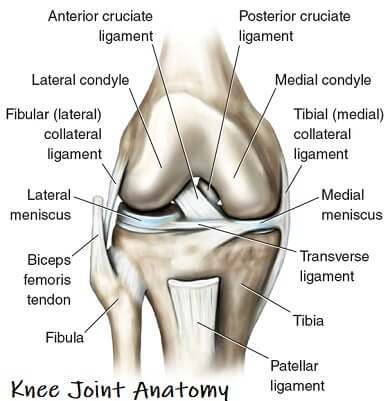
Revision knee surgery is performed when a previous knee replacement no longer functions as intended. A standard knee replacement is designed to last many years; however, factors such as wear, loosening, infection, instability, or fracture around the implant can cause it to fail. When this happens, the damaged or worn components of the original knee replacement may need to be removed and replaced with new parts.
Revision surgery is usually more complex than the initial knee replacement because the surgeon must work through scar tissue, manage bone loss, and carefully rebuild a stable joint. Despite this, it remains an effective treatment for restoring comfort, movement, and confidence in daily activities.

Who is Suitable for Revision Knee Surgery?
Not every patient with post-replacement knee pain requires revision surgery. Suitability depends on the cause of symptoms and the condition of the implant and surrounding bone. Patients may be considered suitable if:
- There is clear implant loosening: The prosthetic components shift or move due to wear over time.
- There is an infection around the implant: Infection can damage bone and tissue, making revision necessary.
- There is persistent pain that affects daily activities: Especially when tests show a mechanical problem with the implant.
- There is instability or the knee “gives way”: Caused by weakened soft tissues, stretched ligaments, or worn components.
- There is a fracture around the implant: Some fractures disrupt the stability of the knee and require revision.
- There is implant wear or breakage: Over time, components can degrade or fail.
- There is significant stiffness limiting function: When scar tissue forms and reduces movement.
Benefits of Revision Knee Surgery
Revision surgery aims to address the underlying cause of the failed knee replacement and restore quality of life. Benefits may include:
- Reduced knee pain: Replacing worn or loose implants can significantly ease discomfort.
- Improved stability and confidence when walking: A correctly fitted implant provides better support and alignment.
- Better joint movement: Many patients regain lost mobility and find daily activities easier.
- Correction of mechanical problems: Issues like uneven wear, implant rotation, or poor alignment can be fixed.
- Management of infection: Revision surgery can remove infected tissue and restore a healthy joint environment.
- Enhanced long-term durability: Modern implants and surgical techniques are designed to last longer and perform better.
- Improvement in overall function: Activities such as climbing stairs, getting up from a chair, or walking longer distances become more manageable.
Although revision surgery is a major procedure, outcomes are generally positive when performed for the appropriate indications and supported by proper rehabilitation.
Types of Revision Knee Surgery
Revision surgery varies depending on the extent of the original implant replacement required and the condition of the surrounding bone and tissue. Common types include:
- Partial revision: Only one component is replaced, such as the femoral (thighbone) part, tibial (shinbone) part, or plastic spacer. This is appropriate when most of the original replacement remains well fixed and healthy.
- Full revision: All components of the knee replacement are removed and replaced with new implants. This is often required when loosening, wear, or infection affects multiple parts of the joint.
- Revision for infection (two-stage revision):
- Stage one removes the implant and infected tissue and places a temporary spacer with antibiotics.
• Stage two, performed later, implants a new knee replacement once the infection is cleared. - Complex revision with bone grafting or augments: Bone loss around the implant may require grafts, metal wedges, or specialised components to rebuild stability.
- Stabilised or constrained implants: These advanced designs provide extra support when ligaments are weak or damaged.
Each type of revision is chosen based on the cause of failure, the patient’s anatomy, and the condition of the surrounding structures. The goal is always to create a stable, well-aligned, and functional joint.
Alternative Options to Revision Knee Surgery
Revision surgery is not always the first solution. Before proceeding, surgeons consider other treatment options that may relieve symptoms or delay further surgery. These may include:
- Physiotherapy: Targeted strengthening and flexibility exercises may reduce pain and improve stability if the implant is intact.
- Medications to manage pain or inflammation: Anti-inflammatory medicines, pain relief, or injections may help some patients control symptoms.
- Knee bracing: A brace can stabilise the joint in cases of mild instability or ligament stretching.
- Activity modification: Adjusting or reducing high-impact activities may protect the knee and ease discomfort.
- Treatment for infection without surgery: In very early infections, antibiotics combined with cleaning the implant (DAIR procedure) may be enough to control the problem.
- Weight management programs: Reducing joint load can significantly help some patients.
- Image-guided injections: Corticosteroid or hyaluronic acid injections may provide temporary relief in carefully selected cases.
These alternatives are useful when symptoms are mild, when the implant is functioning well, or when surgery carries significant risks due to comorbidities. Revision surgery becomes the preferred option when the implant is clearly failing or when conservative measures no longer improve daily function.
Preparation Before a Revision Knee Surgery
Preparing well before revision knee surgery helps improve recovery and reduces complications. This stage focuses on medical assessment, planning, and strengthening your body. Patients are usually advised to:
- Attend a full medical evaluation: This often includes blood tests, X-rays, CT scans, and sometimes infection screening. The surgeon uses these results to decide the safest and most effective surgical approach.
- Review current medications: Some blood thinners, supplements, or anti-inflammatory medicines may need to be stopped. Your doctor will guide you on what to continue or pause.
- Improve fitness and mobility: Gentle physiotherapy, simple strengthening exercises, and walking programs help build muscle support before surgery. Stronger muscles often lead to faster postoperative recovery.
- Focus on nutrition and weight management: Eating a balanced diet or reducing excess weight can ease stress on the new implant and support healing.
- Stop smoking if possible: Smoking slows wound healing and increases infection risk. Stopping even a few weeks before surgery can improve outcomes.
- Plan your home environment: Preparing walking aids, clearing clutter, and arranging support from family can make home recovery safer and easier.
- Discuss expectations and goals: Understanding the procedure, recovery time, and realistic outcomes helps you prepare mentally and physically for the journey ahead.
Good preparation ensures the surgical team has all the information needed and helps you enter surgery feeling informed, supported, and confident.
Revision Knee Surgery Procedure
Revision knee surgery is more complex than a primary knee replacement because the surgeon must remove the old components, repair any bone loss, and choose the right implant to restore stability. Although every case is different, the typical steps include:
- Anaesthesia and preparation: You will receive either a general anaesthetic or a spinal anaesthetic. The surgical team then prepares and cleans the knee area.
- Opening the previous incision: The surgeon usually works through the original scar to reduce additional tissue damage.
- Removing the old implant: The worn, loose, or infected components are carefully taken out. This step must be done with precision to protect the surrounding bone and soft tissues.
- Assessing bone quality: If there is bone loss, the surgeon may use bone grafts, metal wedges, or specialised components to rebuild structure.
- Placing the new revision implant: A more durable implant—sometimes longer, thicker, or more stabilised—is fitted to ensure proper alignment and support.
- Restoring soft tissue balance: Ligaments and tendons around the joint are checked and adjusted to create a stable and natural-feeling knee.
- Closing the incision: The wound is closed, dressings are applied, and the knee is bandaged to protect the area.
- Moving to recovery: You are monitored closely until fully awake and medically stable.
The entire surgery typically takes longer than the original knee replacement due to its complexity.
What to Expect After a Revision Knee Surgery?
Recovery after revision surgery varies, but most patients follow a structured plan focused on healing, regaining strength, and restoring safe movement. You can expect:
- Hospital stay: Many patients stay a few days for monitoring, pain control, and early physiotherapy.
- Pain and swelling management: Medication, ice therapy, and elevation help reduce pain and swelling. Swelling is normal and may take several weeks to settle.
- Early physiotherapy: You will begin guided exercises within 24–48 hours to help restore mobility, improve muscle strength, and prevent stiffness.
- Walking aids: Most patients use a walker or crutches early on, progressing to a cane and then independent walking.
- Wound care: You will receive instructions on dressing changes and infection signs to watch for.
- Gradual return to daily activities: Many everyday tasks become easier within a few weeks, but full recovery may take several months due to the complexity of revision surgery.
- Follow-up appointments: Regular reviews enable the surgeon to assess your progress and ensure the implant is functioning well.
While recovery may take longer than a first-time knee replacement, most patients experience significant improvements in pain and stability.
Revision Knee Surgery Prognosis
The long-term prognosis after revision knee surgery is generally favourable when the procedure is performed for appropriate indications and followed by an effective rehabilitation plan. Many patients regain comfortable movement and improved function. Key points include:
- Most people report a meaningful reduction in pain and better mobility.
- The stability and alignment of the new revision implant help restore confidence when walking.
- Modern revision implants are strong, reliable, and designed to accommodate bone loss or weakened soft tissue.
- Outcomes are best when infections are addressed early and when the underlying cause of implant failure is fully corrected.
- Commitment to physiotherapy greatly improves the chances of a smooth recovery and long-term success.
Although revision surgery is more demanding than the initial knee replacement, patients typically achieve good results that significantly improve their quality of life.
Revision Knee Surgery Risks
All surgical procedures carry risks, and revision knee surgery has some additional challenges due to scar tissue, bone loss, and implant removal. Potential risks include:
- Infection: Revision surgery carries a slightly higher risk of infection than a first-time replacement.
- Blood clots: Deep vein thrombosis (DVT) can occur, but preventive medications and early walking help reduce this risk.
- Stiffness or reduced movement: Scar tissue can limit mobility if rehabilitation is delayed.
- Implant loosening over time: Although modern implants are durable, some may loosen after years of use.
- Fractures during surgery: Removing old implants may weaken the surrounding bone.
- Nerve or vessel injury: Rare but possible, given the complexity of the procedure.
- Ongoing pain: A small number of patients experience persistent discomfort despite a technically successful revision.
Your surgeon will explain how these risks are managed and what signs to watch for during recovery.
What if Revision Knee Surgery is Delayed?
Delaying revision knee surgery can lead to several complications, especially when the original implant is significantly worn, loose, or infected. Possible consequences include:
- Worsening pain and reduced mobility: The joint may become increasingly uncomfortable and harder to use.
- Progressive bone loss: Loosening or infection can damage bone, making future surgery more difficult.
- Increased risk of falls: Instability may cause the knee to give way, leading to injury.
- Spread of infection: If infection is present, delaying surgery may allow it to spread deeper into the bone or surrounding tissue.
- More complex surgery later: Severe damage may require larger implants, bone grafts, or additional procedures.
- Reduced long-term outcomes: Early intervention usually results in smoother recovery and better function.
Timely revision surgery helps protect the knee structure, reduces pain sooner, and improves overall outcomes.