
Shoulder Pain
shoulder anatomy
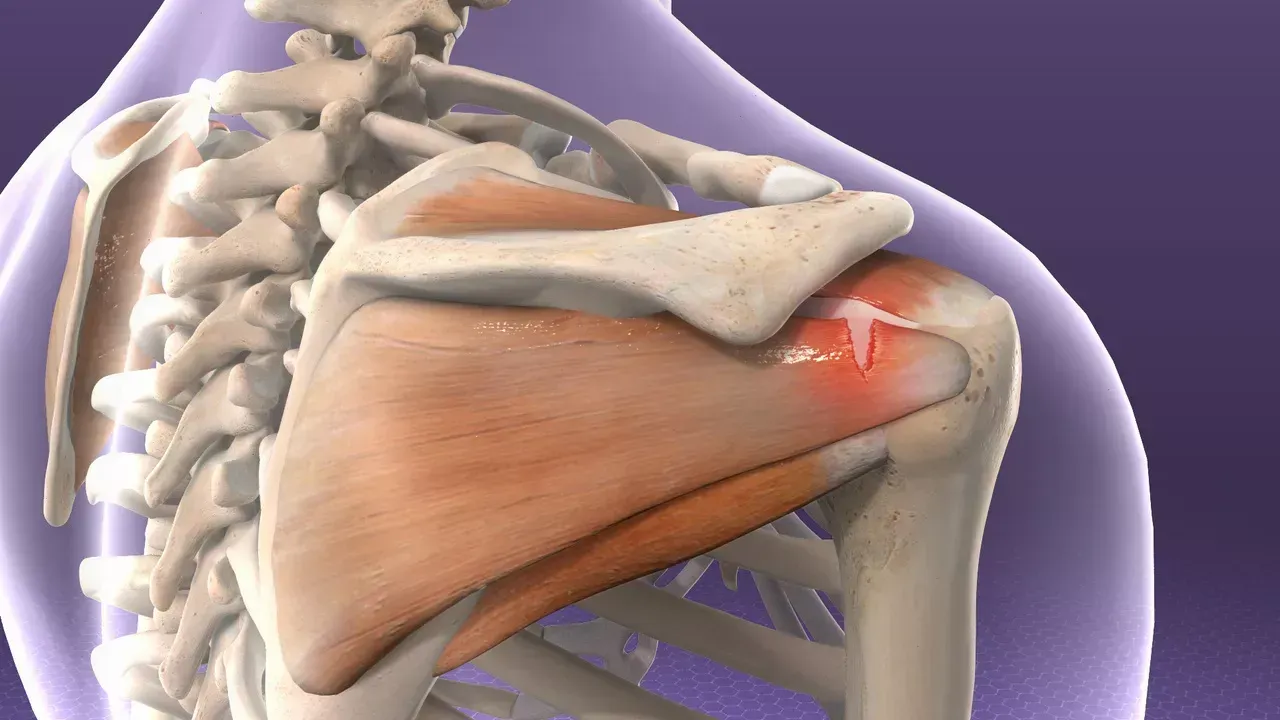
The shoulder is a complex combination of bones and joints, with many muscles that provide the widest range of motion of any part of the body. Numerous muscles help stabilise the three joints of the shoulder while allowing it to move.
At the shoulder, three major bones meet and create a 90-degree angle:
- Clavicle: Also known as the collarbone, the clavicle extends across the front of the shoulder from the sternum to the scapula. It helps stabilise the shoulder’s movements.
- Scapula: More commonly known as the shoulder blade, the scapula is a flat triangular bone located in the upper back. It connects with the collarbone at the front of the body.
- Humerus:
The largest bone of the arm, the humerus connects to the scapula and clavicle in the shoulder. The head of the bone is shaped like a ball to create a ball-and-socket joint with the scapula.

The junctions of these three bones and the sternum form three joints:
- Glenohumeral joint: This shallow ball-and-socket-style joint created by the humerus and scapula allows the arm to rotate circularly and to move up and out from the body. It is surrounded by soft tissue and strengthened by fibrous ligaments.
- Acromioclavicular (AC) joint: This joint forms the highest point of the shoulder and provides the ability to raise the arm above the head. The meeting of the scapula and clavicle forms it.
- Sternoclavicular joint: This joint is at the centre of the chest where the clavicle meets the sternum. It allows the clavicles to move.
The shoulder is a ball-and-socket joint that has three main bones:
- The humerus (long arm bone),
- The clavicle (collarbone), and
- The scapula (also known as the shoulder blade).
A layer of cartilage cushions these bones.
There are two main joints:
- The acromioclavicular joint is between the highest part of the scapula and the clavicle.
- The glenohumeral joint is made up of the top, ball-shaped part of the humerus bone and the outer edge of the scapula. This joint is also known as the shoulder joint.
The shoulder joint is the most mobile joint in the body. It moves the shoulder forward and backward. It also allows the arm to move in a circular motion and to move up and away from the body.
The Rotator Cuff
Shoulders get their range of motion from the rotator cuff. The rotator cuff is made up of four tendons. Tendons are the tissues that connect muscles to bone. It may be painful or difficult to lift your arm over your head if the tendons or bones around the rotator cuff are damaged or swollen. You can injure your shoulder by performing manual labour, playing sports, or engaging in repetitive movements. Certain diseases can cause pain that radiates to the shoulder. These include diseases of the cervical spine (neck), as well as liver, heart, or gallbladder disease. You’re more likely to have problems with your shoulder as you grow older, especially after age 60. This is because the soft tissues surrounding the shoulder tend to degenerate with age.
What is Shoulder Pain?
Shoulder pain is discomfort in or around the shoulder joint, a highly mobile area composed of bones, muscles, tendons, ligaments, and bursae that work together to allow lifting, reaching, and rotating the arm. Because the shoulder moves more than any other joint in the body, it is also vulnerable to strain, wear-and-tear, irritation, and injury.
How Does Shoulder Pain Impact Your Anatomy and Health?
Shoulder pain often leads individuals to limit movement, which can result in stiffness, weakness, and further functional loss. When the joint is not used normally, the surrounding muscles may tighten or shorten, and the soft tissues may become less flexible. Over time, this may reduce your range of motion and make daily tasks harder. Shoulder pain can also affect posture, leading individuals to hunch or hold their arms close to their bodies to alleviate discomfort. This altered positioning can strain the neck and upper back muscles, creating a cycle of pain in other areas.
Long-standing shoulder pain can also influence sleep quality, especially if you tend to lie on the affected side. Poor sleep may exacerbate pain and increase fatigue. In some cases, shoulder pain may be a sign of another health issue such as arthritis, nerve irritation, chronic inflammation or conditions affecting the heart or lungs. Although less common, clinicians will assess for these causes when symptoms are unusual or severe.
Risk Factors for Shoulder Pain
People who perform repetitive overhead tasks, such as painters, carpenters, swimmers, tennis players, and weightlifters, place extra stress on the rotator cuff and surrounding tissues. Older adults are also at higher risk due to the natural degeneration of the tendons and cartilage.
People with poor posture, especially those who spend long hours at a desk or working on a computer, often develop shoulder and neck strain. Individuals with prior injuries, such as dislocations or fractures, may develop chronic instability or arthritis later in life. Health conditions such as diabetes, thyroid disorders, and inflammatory diseases can also increase the risk of shoulder stiffness and pain.
Causes of Shoulder Pain
Some common causes of shoulder pain include:
- Rotator Cuff Injuries: These typically result from damage to the muscles and tendons surrounding the shoulder joint. These injuries are common among individuals who frequently perform overhead movements, such as athletes and manual labourers.
- Shoulder Arthritis: Arthritis is inflammation of one or more of your joints. The main symptoms of arthritis are joint pain and stiffness, which typically worsen with age.
- Shoulder Impingement: This occurs when the top of the shoulder blade (acromion) compresses the underlying soft tissues during arm elevation. As the arm is lifted, the acromion rubs, or "impinges" on, the rotator cuff tendons and bursa. This can lead to bursitis and tendinitis, causing pain and limiting movement.
- Labral SLAP Tears: The labrum is a piece of fibrocartilage (rubbery tissue) attached to the rim of the shoulder socket that helps keep the ball of the joint in place. SLAP stands for Superior Labrum Anterior and Posterior, which means the tear is at the top of the labrum, both in the front and back. These tears can result from acute trauma or repetitive shoulder motion and are often found in athletes.
- Trauma & Sports Injuries: Trauma, such as falls or accidents, can cause a wide range of shoulder injuries, from fractures and dislocations to tears of the tendons or ligaments. Sports requiring repetitive overhead movements, such as swimming, weightlifting, or throwing sports (javelin throwing, fast bowling), can also lead to various types of shoulder pain and injury.
- Tendonitis: This is tendon inflammation, often caused by repetitive, minor impacts on the affected area or a sudden, more serious injury.
- Bursitis: This is an inflammation of the bursa, which is a small, fluid-filled sac that acts as a cushion between a bone and other moving body parts, such as muscles or tendons.
- Frozen Shoulder: Also known as adhesive capsulitis, this condition is characterised by stiffness and pain in your shoulder joint. Signs and symptoms may begin gradually, worsen over time and then resolve, usually within two years.
- Dislocated Shoulder: This happens when the arm's upper bone is forced out of the shoulder blade's socket. A severe injury often causes it, and it can cause intense pain.
- Fractures: These are broken bones, and in the shoulder, they usually involve the clavicle (collarbone) or the humerus (upper arm bone).
Symptoms of Shoulder Pain
Symptoms vary depending on the underlying problem. Many people notice pain when lifting the arm, reaching overhead, rotating the arm, or carrying weight. The pain may range from a dull ache to sharp discomfort. Some experience pain at rest, especially at night. Stiffness, weakness, clicking or popping sensations, and reduced range of motion are common. Swelling, tenderness over certain areas of the shoulder, or a feeling that the joint may “give way” can also occur. In cases of nerve involvement, symptoms such as tingling or shooting pain in the arm may appear.
Preventing Shoulder Pain
Prevention usually focuses on maintaining strength, flexibility and healthy movement patterns. Helpful strategies include:
- Regular strengthening: Exercises that target the rotator cuff and shoulder-blade muscles
- Stretching: Maintaining flexibility in the chest, back and shoulder muscles
- Ergonomics: Adjusting desk setup, chair height and posture
- Warm-up routines: Preparing the shoulders before sports or physical work
- Gradual load increases: Avoiding sudden increases in training intensity
- Avoiding repetitive strain: Alternating tasks and taking short breaks
- Healthy lifestyle: Weight management, balanced nutrition and general fitness
Early attention to mild stiffness or aching can prevent worsening.
Types of Shoulder Pain
Shoulder pain can be grouped into several categories.
- Mechanical pain usually relates to movement and to structural issues, such as tendon or cartilage injury.
- Inflammatory pain is caused by swelling and irritation of soft tissues.
- Degenerative pain arises from age-related wear-and-tear.
- Instability-related pain occurs when the joint does not stay properly aligned.
Pain can also be acute, following an injury, or chronic, developing slowly. These distinctions help clinicians tailor treatment plans.
Stages of Shoulder Pain
Shoulder conditions often progress through stages. Early stages involve mild irritation, with symptoms occurring occasionally and being activity-related. Intermediate stages are characterised by more frequent pain, stiffness, and reduced movement. Advanced stages may involve significant weakness, persistent night pain, and difficulty performing routine activities. Some conditions, such as frozen shoulder, have well-defined stages of stiffness, pain, and recovery that can last for many months.
Diagnosis of Shoulder Pain
Diagnosis begins with a detailed history of symptoms, lifestyle factors and past injuries. A physical examination assesses the range of motion, strength, posture and specific movements that reproduce pain. Clinicians may press on certain areas to identify tender structures. Imaging, such as X-rays, can show bone changes or arthritis, while ultrasound or MRI scans are useful for assessing soft tissues, such as the rotator cuff, bursae, and tendons. In some cases, diagnostic injections help confirm the source of the pain.
Treatments for Shoulder Pain
Treatment depends on the cause and severity. Most people improve with non-surgical care. Common approaches include:
- Activity modification: Reducing aggravating movements temporarily
- Physiotherapy: Strengthening, stretching and posture retraining
- Medications: Anti-inflammatory medicines or pain-relief options
- Ice or heat: Managing swelling and relaxing tight muscles
- Corticosteroid injections: Reducing inflammation in selected cases
- Shockwave therapy: Useful in some tendon conditions
- Bracing or taping: Supporting the joint during healing
When conservative treatments do not relieve symptoms or when there is a significant tear, instability or arthritis, surgical options may be considered. These may include arthroscopy to repair tendons, remove inflamed tissue, stabilise the joint or address bone spurs. In advanced arthritis, joint replacement may be appropriate.
What If Shoulder Pain Is Untreated?
Untreated shoulder pain can worsen over time. Stiffness may increase, muscles can weaken, and the joint may become less stable. Chronic pain may affect posture, sleep, work and exercise routines. In some cases, untreated conditions such as rotator cuff tears or arthritis can progress, complicating subsequent treatment. Early assessment helps prevent long-term functional loss and improves the chances of a full recovery.