
Elbow Contracture Release
What is Elbow Contracture?
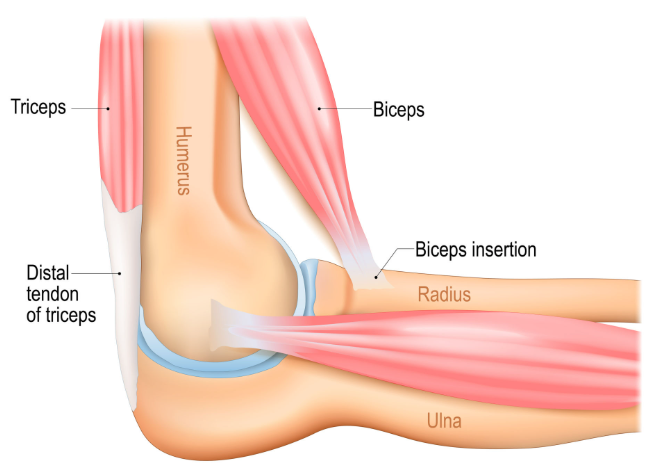
Elbow contracture is a condition where the elbow becomes stiff and loses its normal range of motion. Instead of bending or straightening smoothly, the joint becomes tight and restricted. This happens because the soft tissues around the elbow—such as muscles, ligaments, tendons, or the joint capsule—either shorten, scar, or thicken. In some cases, bone changes or arthritis also contribute to the stiffness. A healthy elbow usually moves from full extension (straightening) to full flexion (bending) without difficulty.
When contracture develops, daily activities such as reaching, lifting, dressing, and personal care can become challenging. Some people have difficulty fully extending the arm, while others struggle to bend the elbow enough for normal tasks.

What is Elbow Contracture Release?
Elbow contracture release is a surgical procedure designed to restore elbow mobility when the elbow has become stiff and restricted. When scar tissue, tight soft tissues, or bone growth limits the elbow’s ability to bend or straighten, the joint can become fixed in a position that affects daily function. Elbow contracture release aims to remove or loosen the structures causing the stiffness so the elbow can move more freely again. This procedure is typically recommended when non-surgical options such as physiotherapy, stretching, injections, or splinting have not been successful in restoring an acceptable range of motion.

Who is Suitable for Elbow Contracture Release?
Elbow Contracture Release is typically recommended for individuals with significant elbow stiffness that affects their ability to perform daily tasks or hampers their work or athletic performance. Here are some factors that may suggest a patient is suitable for this procedure:
- Individuals experiencing significant elbow stiffness or a limited range of motion
- Professionals and athletes whose elbow stiffness impairs their performance
- Individuals who have attempted non-surgical interventions like physiotherapy and rehabilitation without significant improvement
- Patients experiencing functional limitations in their daily living, sports, or work due to elbow contracture.
Benefits of Elbow Contracture Release
Elbow Contracture Release offers several advantages for those suffering from elbow stiffness, such as:
- Restoring Mobility: The procedure helps restore the elbow's range of motion, enabling the patient to regain arm function.
- Pain Relief: As mobility improves, patients often experience reduced discomfort and improved overall quality of life.
- Improved Function and Performance: Following surgery, patients often experience increased strength and flexibility in their elbow, allowing them to return to their pre-injury activity level.
- Prompt Return to Activities: The procedure enables individuals, particularly professionals and athletes, to return to their jobs or sports sooner, especially with a good rehabilitation program.
- Long-term results: Patients can maintain improved elbow mobility and function for years with appropriate postoperative care and rehabilitation.
What is Involved in Elbow Contracture Release?
Elbow Contracture Release can be performed through open or arthroscopic surgery, depending on the severity of the contracture and the individual patient's situation.
- Open surgery involves making a large incision over the elbow and manually releasing or removing the tight tissues around the joint.
- Arthroscopic surgery: In this less-invasive technique, small incisions are made around the elbow, and specialised instruments are used to release tight structures.
The choice between open and arthroscopic surgery depends on various factors, including the severity of the contracture, the patient's overall health, their activity level, and the specific characteristics of their condition.
Preparation Before Elbow Contracture Release
Before undergoing Elbow Contracture Release, patients usually need to:
- Consult an orthopaedic surgeon to review the medical history and perform a physical examination. Diagnostic imaging tests such as X-rays, MRI scans, or ultrasounds may also be ordered.
- Undergo preoperative planning if surgical management is recommended. This includes a thorough health assessment to ensure they are suitable for surgery.
What Happens During an Elbow Contracture Release Surgery?
Elbow contracture release procedures can vary greatly depending on the severity of the contracture and the surgeon's approach, whether it's open or arthroscopic. Here's a general idea of what to expect with an open elbow contracture release procedure, which is often used for severe contractures:
- Preparation: The patient is placed under general anaesthesia so they won't feel any pain during the procedure. They are then positioned so that the surgeon can access the elbow.
- Incision: The surgeon makes an incision over the elbow. The size and location of the incision can vary depending on the specifics of the contracture.
- Exposure: The surgeon carefully moves skin, muscle, and other tissues aside to expose the elbow joint and surrounding area. They'll also identify and protect vital structures such as nerves and blood vessels.
- Release: Scar tissue and other factors causing the contracture are identified. The surgeon then meticulously releases, removes or modifies these structures to improve the elbow's range of motion. They might need to release or even remove portions of the joint capsule, the tough membrane that encloses parts of the elbow joint.
- Assessment: After the release, the surgeon will move the elbow to assess the improvement in the range of motion. Additional releases may be performed if the movement is still significantly restricted.
- Closure: Once the surgeon is satisfied with the improved mobility, the surgical area is flushed with a saline solution to remove debris. The incision is then closed with sutures, and a sterile dressing is applied.
What to Expect After Elbow Contracture Release?
After the procedure, the patient is taken to a recovery room for monitoring. Initially, the arm is immobilised in a splint or brace to protect the surgical site. They can usually go home once they're awake and stable unless there are complications or other reasons to keep them in the hospital.
Elbow Contracture Release Recovery Plan
Here is a general overview of what the recovery process may look like:
- Initial Recovery at Home: The patient will typically be discharged to recover at home unless there are complications or other reasons to stay at the hospital. It's important to keep the surgical site clean and dry and to watch for any signs of infection (such as redness, swelling, or discharge). The surgeon will instruct when it's okay to start moving the elbow and when to begin exercises.
- Physical Therapy: The patient typically starts physical therapy within a few weeks of surgery. The physical therapist will initially work on gentle range-of-motion exercises, progressing to more challenging exercises as healing progresses. The goal is to regain elbow flexibility and strength and restore normal function.
- Follow-Up Appointments: The patient will have follow-up appointments with the surgeon to monitor healing progress. These visits allow the surgeon to check the surgical site, remove sutures if necessary, and adjust the rehabilitation plan based on the patient's progress.
- Continued Rehabilitation: Rehabilitation will continue for several weeks to months. As the elbow heals, the patient will gradually return to normal activities. It's important to follow the rehabilitation plan closely and not rush this process. Returning to strenuous activities too soon could risk re-injury.
- Long-Term Management: Patients should continue with prescribed exercises to maintain elbow strength and flexibility even after the formal recovery period. Regular check-ups with the surgeon or another healthcare provider may also be necessary to monitor the long-term outcome of the surgery.
Elbow Contracture Release Prognosis
The prognosis for Elbow Contracture Release is generally good, with many patients experiencing successful outcomes and returning to their desired level of function and activity. However, recovery can take time and requires patient commitment to postoperative care and rehabilitation.
Elbow Contracture Release Risks
As with any surgical procedure, elbow contracture release carries some risks. These may include:
- Infection: This is a risk with any surgery. Antibiotics are often given to reduce this risk.
- Bleeding or Hematoma: Any surgical procedure risks bleeding or the formation of a hematoma (a collection of blood outside of the blood vessels).
- Nerve or Vascular Injury: The elbow area contains several important nerves and blood vessels that could be damaged during surgery.
- Stiffness or Recurrence of Contracture: There's a risk that the elbow could become stiff again or that the contracture could return, especially if post-surgery rehabilitation instructions are not followed properly.
- Pain or Discomfort: Some patients might experience persistent pain or discomfort after surgery.
- Risks associated with anaesthesia include reactions to medications or breathing problems.
- Joint Instability: In some cases, the joint might become unstable, especially when significant soft tissue is released.
What if Elbow Contracture Release is Delayed?
Delaying Elbow Contracture Release may worsen stiffness and chronic pain, leading to disability. It is crucial to consult with an orthopaedic surgeon as early as possible to determine the appropriate treatment.