
Frozen Shoulder
What is a Frozen Shoulder?
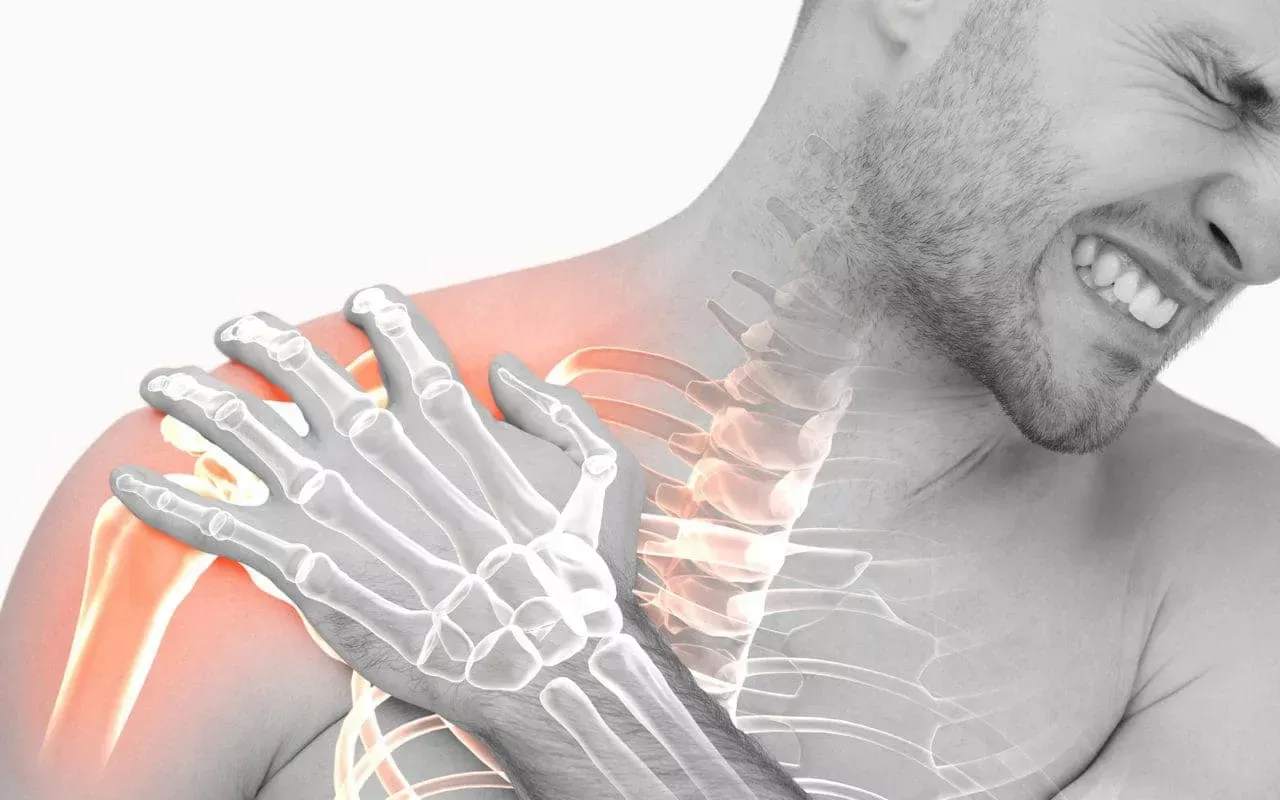
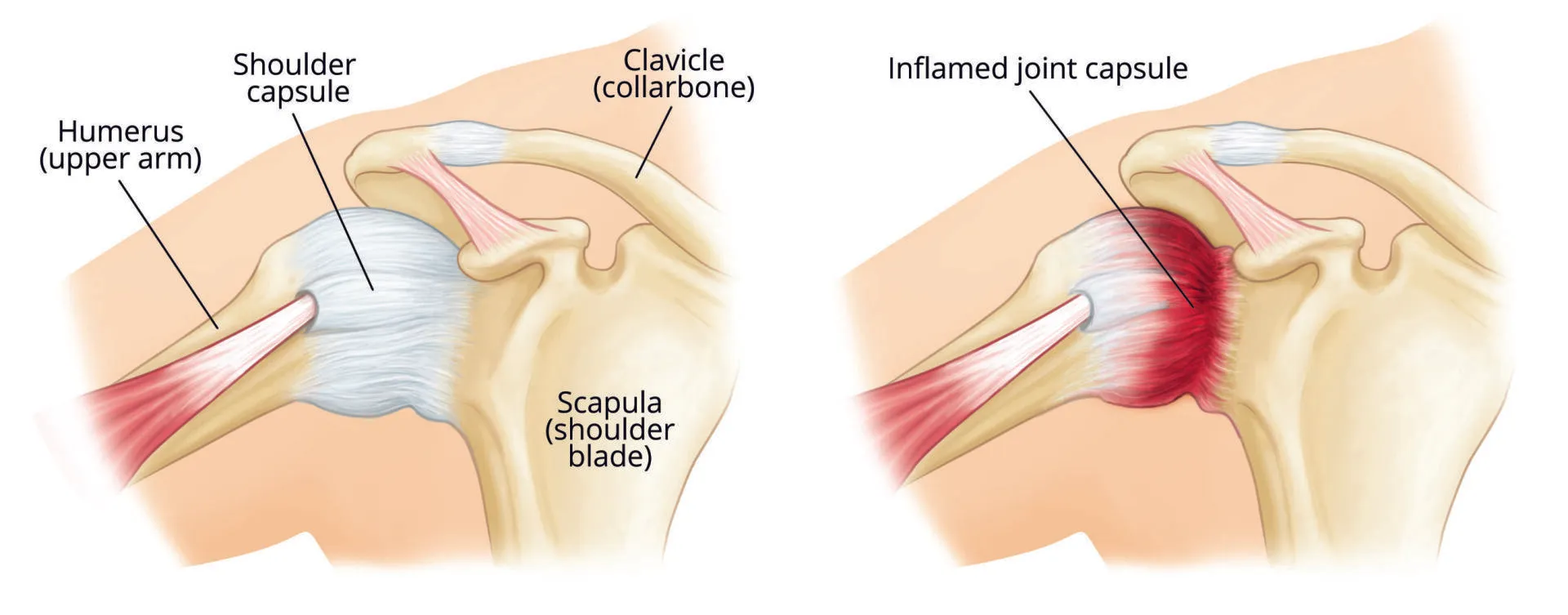
Frozen shoulder, also called adhesive capsulitis, is a condition characterised by shoulder stiffness, pain, and limited range of motion. It happens when the capsule of tissue surrounding the shoulder joint becomes inflamed and tightens. As the capsule thickens and contracts, the joint space becomes smaller, restricting movement. This condition often develops gradually, progresses through stages, and can take months to years to fully resolve.

How Does Frozen Shoulder Impact Your Anatomy and Health?
A frozen shoulder impacts your anatomy by causing the shoulder joint capsule to become inflamed, thickened, and tight. This reduces the synovial fluid, which normally lubricates the joint and allows smooth, pain-free movement. Consequently, the shoulder joint becomes stiff and painful, significantly limiting your range of motion and affecting your ability to perform daily activities, such as dressing, reaching overhead, and sleeping comfortably.
Moreover, a frozen shoulder can substantially impact your overall health and well-being. Persistent pain and limited mobility may lead to a decline in physical activity, contributing to weight gain, muscle atrophy, and reduced quality of life. Furthermore, the ongoing discomfort can result in emotional distress, including feelings of frustration, anxiety, and depression.
Risk Factors for Frozen Shoulder
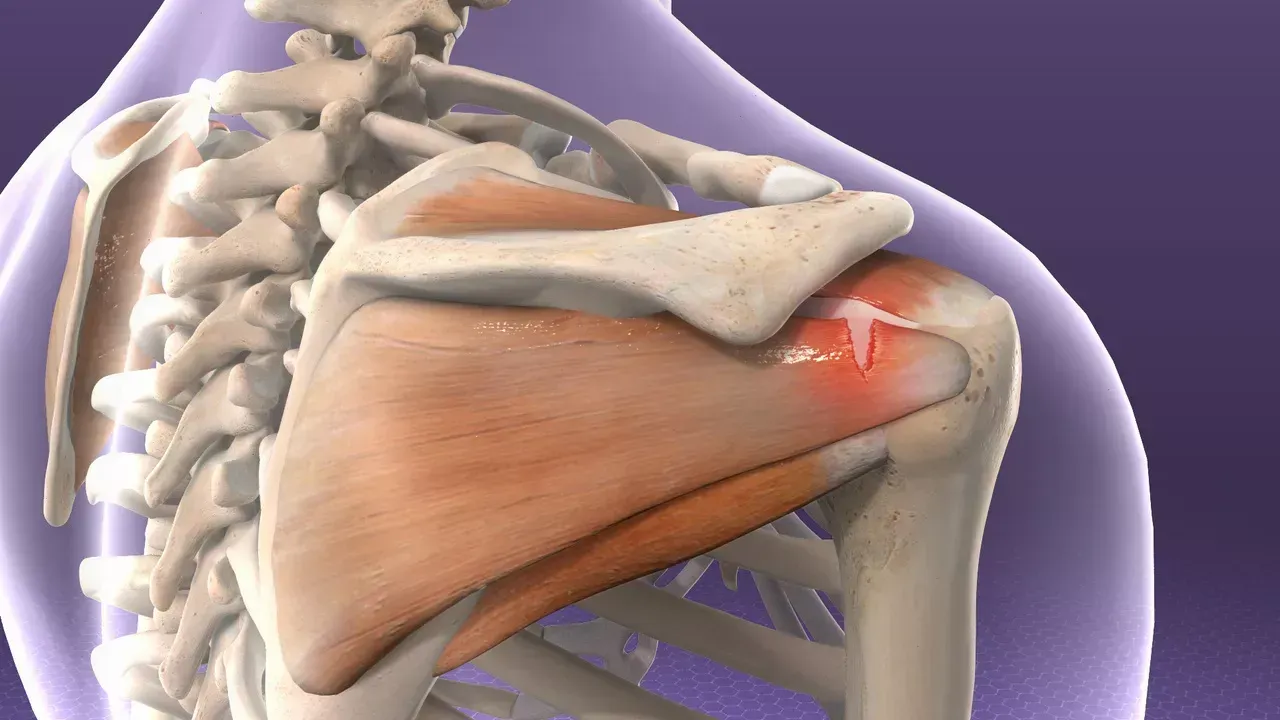
Common Risk Factors Include:
- Age and Gender: People aged 40 and above, especially women, are more likely to develop frozen shoulder.
- Prolonged Immobility: Shoulder immobility following surgery, fractures, or other injuries can increase the risk.
- Systemic Diseases: Conditions like diabetes, thyroid disorders, cardiovascular disease, and Parkinson’s disease are linked with an increased risk of frozen shoulder.
Causes of Frozen Shoulder
Frozen shoulder is associated with the thickening and tightening of the shoulder capsule, which encases the shoulder joint. This thickening restricts the shoulder's movement, leading to pain and stiffness.
Symptoms of Frozen Shoulder
The symptoms of a frozen shoulder typically develop slowly and worsen over time. They can include:
- Pain in the shoulder joint that is often worse at night.
- Stiffness and limited range of motion in the shoulder.
- Difficulty lifting the arm above the head.
- Limited mobility in the shoulder joint.
Preventing Frozen Shoulder
While not all cases of frozen shoulder can be prevented, there are steps you can take to reduce the risk or severity:
- Maintain Shoulder Mobility: Regularly perform gentle range-of-motion exercises to keep your shoulder joint flexible and prevent stiffness. This is particularly important after periods of immobilisation, such as surgery or injury.
- Gradual Exercise Progression: If you're starting a new exercise program or increasing the intensity of your workouts, do so gradually to avoid overuse or strain on the shoulder joint.
- Posture Awareness: Maintain good posture to prevent unnecessary strain on your shoulders. Avoid activities that involve prolonged overhead reaching or heavy lifting without proper technique.
- Manage Systemic Conditions: If you have diabetes, thyroid disorders, cardiovascular disease, or Parkinson’s disease, work closely with your healthcare provider to manage these conditions effectively. Proper management can reduce the risk of developing a frozen shoulder.
- Avoid Shoulder Injury: Take precautions during sports or activities that involve repetitive shoulder movements or potential impacts. Use protective gear and proper technique to minimise the risk of shoulder injury.
- Early Treatment of Shoulder Pain: If you experience shoulder pain that doesn't resolve within a reasonable time frame, seek medical attention promptly. Early diagnosis and treatment of shoulder conditions can help prevent complications such as a frozen shoulder.
Types of Frozen Shoulder
Frozen shoulder is typically classified into two types based on the underlying cause or associated conditions:
- Primary Frozen Shoulder (Idiopathic): This is the most common type and occurs without any known underlying cause or associated condition. It develops gradually and progresses through the three stages of freezing, frozen, and thawing.
- Secondary Frozen Shoulder: Secondary frozen shoulder occurs due to a known underlying cause or condition, such as:
- Shoulder Injury: Previous shoulder surgery, trauma, or injury that leads to prolonged immobilisation can trigger a secondary frozen shoulder.
- Systemic Diseases: Conditions like diabetes mellitus, thyroid disorders (hypothyroidism), cardiovascular disease, Parkinson’s disease, and autoimmune conditions (e.g., Dupuytren's contracture) are associated with an increased risk of developing frozen shoulder.
- Other Medical Conditions: Certain medical conditions or treatments, such as stroke, breast cancer treatments (radiation therapy), or prolonged use of a shoulder sling after surgery, can also predispose individuals to develop frozen shoulder.
Phases of Frozen Shoulder
Frozen shoulder typically progresses through three stages:
- Freezing Stage: During this phase, patients experience a gradual onset of pain that worsens and leads to loss of shoulder range of motion. This stage lasts 6-9 months.
- Frozen Stage: In this stage, painful symptoms may decrease, but stiffness persists, making daily activities challenging. This phase typically lasts 4-6 months.
- Thawing Stage: During this stage, shoulder motion gradually improves, and strength and mobility begin to return. This phase can last from 6 months to 2 years for full recovery.
Diagnosis of Frozen Shoulder
Diagnosing a frozen shoulder involves several steps:
- Medical History: The physician will inquire about symptoms, medical history, and any prior shoulder injuries or surgeries.
- Physical Examination: The physician will examine the shoulder, assess for pain, and evaluate the range of motion both actively (the patient moves the shoulder) and passively (the physician moves the shoulder).
- Imaging Tests:
- X-rays: To rule out other conditions, such as arthritis.
- MRI or Ultrasound: These are used to detect other problems, such as a rotator cuff tear, or to provide a detailed view of the shoulder's soft tissues.
Treatment for Frozen Shoulder
Treatment aims to control pain and restore motion. Options include:
- Medications:
- Pain Relievers: Over-the-counter analgesics such as ibuprofen or acetaminophen.
- Anti-inflammatory Drugs: Prescription medications to reduce inflammation and pain.
- Physical Therapy:
- Stretching Exercises: To maintain and gradually improve the range of motion.
- Strengthening Exercises: Once the pain begins to subside, shoulder-strengthening exercises are introduced.
- Heat or Cold Therapy:
- Applying heat to the shoulder before stretching can help loosen the joint.
- Cold packs can reduce pain and swelling.
- Corticosteroid Injections:
- Injections into the shoulder joint to reduce inflammation and pain.
- Joint Distension:
- Injecting sterile water into the shoulder joint stretches the capsule and improves range of motion.
- Surgical Treatment:
- Manipulation Under Anesthesia: The shoulder is moved forcefully while you are under general anaesthesia to break up adhesions.
- Arthroscopic Surgery: Minimally invasive surgery to cut through tight portions of the joint capsule.
What if a Frozen Shoulder is Untreated?
If left untreated, a frozen shoulder can lead to prolonged pain and disability. Possible outcomes include:
- Chronic Pain: Persistent pain, especially at night, affecting sleep and quality of life.
- Severe Stiffness: Significant reduction in the shoulder's range of motion, making it difficult to perform daily activities such as dressing, reaching overhead, or lifting objects.
- Reduced Quality of Life: The inability to perform normal tasks can lead to frustration and decreased overall life satisfaction.
While a frozen shoulder often resolves on its own, it can take several years to do so. Without treatment, recovery might be slower, and the shoulder might never regain its full range of motion. Engaging in a treatment plan can significantly speed up recovery and improve outcomes.