
Injections
What are Injections?
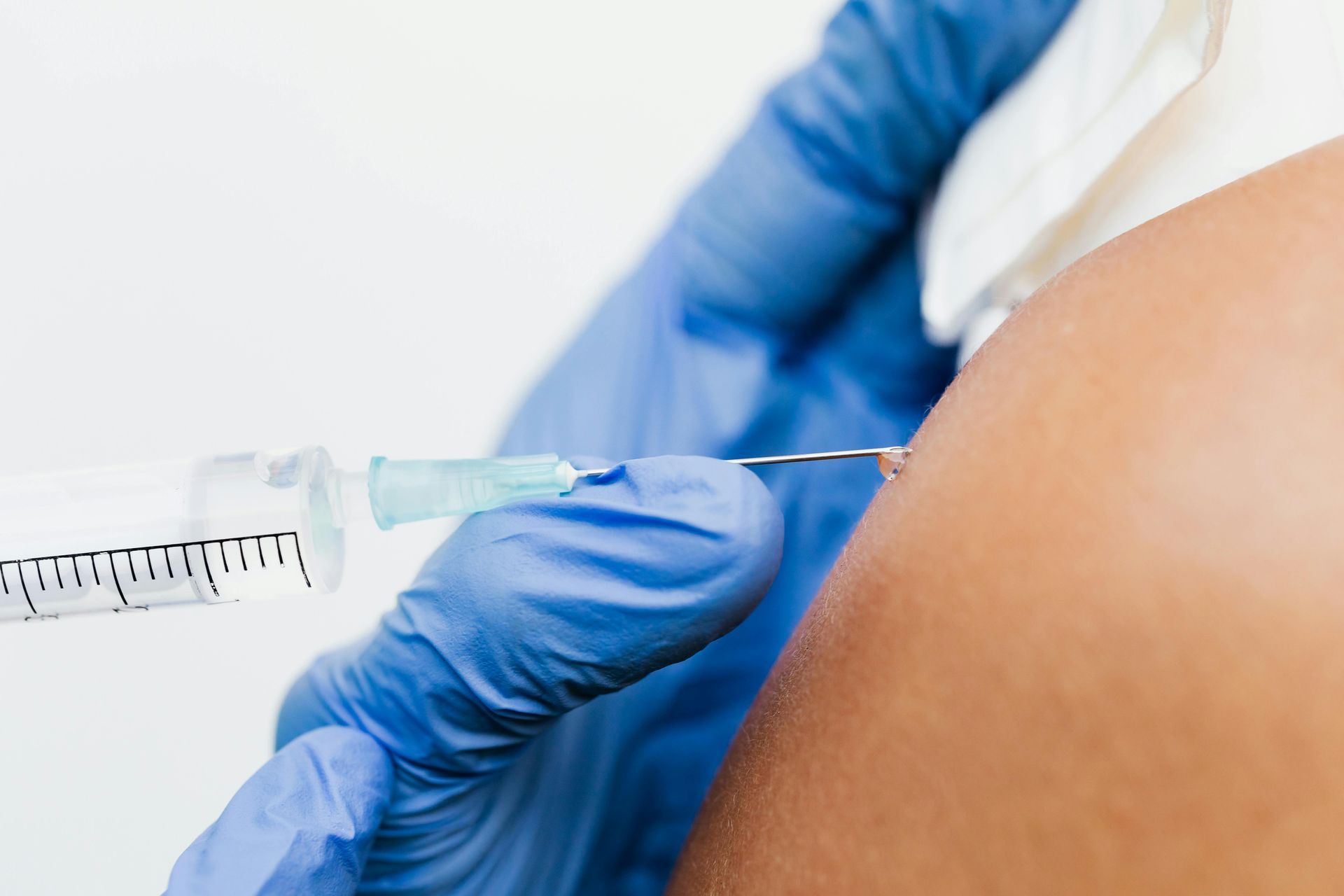
Injections are targeted treatments used to reduce pain, calm inflammation, and support healing in joints, tendons, ligaments, and soft tissues. Orthopaedic surgeons commonly offer them as a non-surgical option for patients who need relief but are not yet ready for, or do not require, an operation. Injections deliver medication directly to the affected area, allowing for more focused and often more effective results than tablets or general therapies. Depending on the type, injections may help improve mobility, reduce swelling, or support tissue recovery. They can be used for conditions such as arthritis, bursitis, tendonitis, muscle injuries, ligament sprains, and spine-related pain. For many patients, injections provide a bridge between conservative care and surgical intervention, helping delay or even avoid surgery when appropriate. The procedure is usually quick, done in the clinic, and often guided with ultrasound for accuracy and safety.

Who is Suitable for Injections?
Injections may be recommended for a wide range of musculoskeletal concerns, especially when pain persists despite rest, physiotherapy, or simple medications. They are suitable for people experiencing joint pain, swelling, stiffness, or reduced function caused by wear-and-tear, injury, overuse, or inflammation. Patients with conditions such as osteoarthritis, rotator cuff injuries, tennis elbow, shoulder bursitis, hip or knee pain, and plantar fasciitis often benefit. Those who cannot take anti-inflammatory medications due to stomach, heart, or kidney concerns may also prefer injections because the medication acts locally rather than systemically. Injections are also appropriate for patients who are trying to avoid or delay surgery, or for those who need temporary relief to continue rehabilitation, work duties, or sports. The surgeon always assesses suitability after a clinical examination, an imaging review, and a discussion of goals, expectations, and treatment alternatives.

Benefits of Injections
Injections offer several advantages for managing pain and inflammation in a safe, controlled way.
- Targeted relief: Medication is delivered precisely to the site of symptoms, enhancing effectiveness.
- Fast symptom improvement: Many patients experience relief within days, allowing easier movement and better participation in physiotherapy.
- Reduced inflammation: Injections can calm swelling in tendons, joints, and bursae, improving comfort and mobility.
- Delay or avoid surgery: In appropriate cases, injections can provide long-lasting relief, potentially postponing or eliminating the need for an operation.
- Support healing: Certain injections are designed to stimulate tissue repair rather than simply reduce pain.
- Quick procedure: Most injections take only a few minutes and require minimal preparation.
- Ultrasound guidance: When used, it increases accuracy, ensuring the medication is placed in the correct area for optimal results.
- Low downtime: Patients can usually return to light activities shortly after treatment, with specific guidance provided based on the condition treated.
Types of Injections
Orthopaedic surgeons use several types of injections depending on the condition, symptoms, and treatment goals. Each option works differently and may be recommended at various stages of recovery.
- Corticosteroid injections: Reduce inflammation and swelling, offering short- to medium-term pain relief for arthritis, bursitis, tendonitis, and joint irritation.
- Hyaluronic acid (viscosupplementation) injections: Improve joint lubrication and cushioning, commonly used for knee osteoarthritis to ease stiffness and enhance movement.
- Platelet-rich plasma (PRP) injections: Use the patient’s own blood components to stimulate tissue repair in tendons, ligaments, and joints. They are often used for chronic tendon injuries, early arthritis, and soft-tissue healing.
- Local anaesthetic injections: Provide temporary pain relief and may be used diagnostically to pinpoint the source of pain.
- Prolotherapy: A solution is injected to encourage controlled inflammation and promote tissue strengthening, often used for ligament or tendon laxity.
- Nerve block injections: Target specific nerves to interrupt pain signals, helpful in certain chronic pain conditions.
- Trigger point injections: Used for tight or spasming muscles that cause referred pain in areas such as the neck, back, or shoulder.
- Regenerative options (where available): Some surgeons offer advanced biologic therapies to promote healing of damaged tissues, subject to regulatory requirements and clinical suitability.
Alternative Options to Injections
While injections are valuable tools in non-surgical orthopaedic care, they are not the only option. Many patients benefit from a combination of approaches that support long-term recovery and joint health.
- Physiotherapy: Strengthening muscles, improving flexibility, correcting movement patterns, and reducing joint load often lead to significant long-term benefits.
- Exercise programs: Low-impact exercises such as swimming, cycling, Pilates, and guided strength training help support joint function and reduce pain.
- Medications: Anti-inflammatory tablets, topical creams, and pain relievers may help with short-term symptoms, although they affect the whole body rather than a specific area.
- Lifestyle modifications: Activity pacing, weight management, ergonomic adjustments, and proper footwear can reduce strain on joints and soft tissues.
- Bracing or supports: Knee braces, ankle stabilisers, wrist splints, and other supports can offload pressure and assist with stability during recovery.
- Shockwave therapy: Often used for tendon issues such as plantar fasciitis or tennis elbow, helping stimulate healing without injections.
- Heat and ice therapy: Simple home-based treatments can reduce soreness and swelling and improve comfort.
- Surgical options: When conservative treatment does not provide relief or when structural damage requires intervention, surgery may be recommended. Injections are often used as part of the decision-making process before this step.
If injections are unsuitable or the patient prefers a different approach, the orthopaedic surgeon will outline tailored alternatives based on the type and severity of the injury and the patient's lifestyle goals. Combining several non-surgical strategies usually leads to the best long-term outcome.
Preparation Before Getting an Injection
Preparing for an injection is usually simple, and most patients do not need any special arrangements. However, taking a few steps beforehand helps ensure the procedure is safe, comfortable, and effective. Patients should inform the surgeon of any allergies, current medications, and past reactions to injections. This is especially important for people taking blood thinners, medications for diabetes, or medications that affect the immune system. If the injection is for a joint that has been recently injured or infected, the surgeon may recommend a short delay until the area is safe to treat. Eating normally before the appointment is generally fine unless advised otherwise. Wearing loose clothing makes it easier to access the affected area. Patients should also avoid heavy exercise on the day of the injection to reduce inflammation and irritation. Imaging, such as ultrasound or X-ray, may be reviewed before the procedure to confirm the exact location requiring treatment. Finally, patients should discuss their goals and expectations so the surgeon can tailor the injection type to the specific condition.
What Happens During an Injection Procedure?
The procedure is usually quick, carefully controlled, and designed to minimise discomfort. After confirming the treatment area, the skin is cleaned thoroughly to reduce the risk of infection. Many injections are performed using ultrasound guidance to ensure accurate placement of the medication into the joint, tendon, bursa, or soft tissue. A small needle is introduced, and patients may feel brief pressure or a mild sting. The sensation typically lasts only a few seconds. Depending on the type of injection, the surgeon may deliver a corticosteroid, hyaluronic acid, platelet-rich plasma, or another specialised solution.
In some cases, a small amount of local anaesthetic is added to reduce discomfort immediately after the procedure and to assist with diagnosis. The injection itself usually takes less than a minute, and most patients can walk out of the clinic soon after. The surgeon may provide aftercare instructions before the patient leaves, particularly if the area needs to be rested for a short time.
What to Expect After an Injection?
Recovery after an injection varies slightly depending on the type of medication used and the location treated, but most people resume light activity on the same day. Some patients may feel temporary soreness, pressure, or heaviness at the injection site for 24–48 hours. This is normal and often settles with rest and ice packs. Many injections begin working within a few days, although regenerative treatments like platelet-rich plasma may take several weeks to show full benefit. Patients may be advised to avoid strenuous exercise or heavy lifting for a short period to allow the tissue to respond to treatment. Physiotherapy may also be recommended as part of the overall recovery plan, especially for tendon or joint conditions. The surgeon will explain when to resume normal activities, sports, or work. If redness, warmth, or increasing pain occur, the patient should contact the clinic promptly for assessment, although these issues are rare.
Injections Prognosis
Injections are widely used in orthopaedic care because they offer reliable and meaningful relief for many musculoskeletal conditions. The prognosis depends on the underlying condition, symptom severity, and the specific injection selected.
Corticosteroid injections often provide rapid improvement in pain and swelling, sometimes lasting several months. Hyaluronic acid injections help reduce stiffness and improve joint lubrication, particularly in knee arthritis, and can last from months to a year. Regenerative injections such as platelet-rich plasma may offer longer-term benefits by supporting tissue repair and reducing chronic inflammation.
In many cases, injections allow patients to stay active, continue physiotherapy, and delay or even avoid surgery. Some conditions may require a series of injections, while others respond well to a single treatment. The orthopaedic surgeon will review progress at follow-up visits to ensure the injection is achieving the intended outcome and to adjust the care plan as needed.
Injections Risks
Injections are generally safe when performed by a trained specialist, but like all medical treatments, they carry some risks. These risks are uncommon and are carefully managed through sterile technique, correct needle placement, and patient-specific planning.
- Infection: A rare complication where bacteria enter the tissue or joint, requiring prompt treatment.
- Bleeding or bruising: Slight bleeding may occur, particularly in patients on blood thinners.
- Pain flare: Temporary increase in discomfort can occur, especially after corticosteroid or PRP injections.
- Allergic reaction: Rare, but possible with certain medications.
- Skin changes: Lightening of the skin or small fatty thinning can occur after steroid injections near the surface.
- Temporary numbness or weakness: May happen when the local anaesthetic spreads to nearby nerves.
- Elevated blood sugar: Patients with diabetes may notice a temporary rise in blood glucose after steroid injections.
The orthopaedic surgeon will discuss individual risk factors and review any health concerns before proceeding.
What if Injections are Delayed?
Delaying an injection usually does not cause harm, but the impact depends on the condition being treated. When inflammation or pain remains uncontrolled for long periods, patients may experience reduced mobility, ongoing discomfort, and greater difficulty performing physiotherapy or exercise. In some cases, untreated inflammation can lead to worsening stiffness or progressive joint wear. For tendon-related injuries, delaying treatment may prolong recovery and delay return to work or sport. If pain limits movement, the surrounding muscles may weaken, contributing to instability and further joint strain.
Delaying an injection may also mean that alternative treatments, such as physiotherapy or medications, might be required for longer. On the other hand, some patients improve with rest, activity changes, or conservative care alone, and the orthopaedic surgeon may determine that an injection is only necessary if symptoms fail to settle. If an injection is recommended but postponed, patients should continue the prescribed home care plan and notify the clinic if symptoms worsen or new issues develop.