
Physiotherapy
What is Physiotherapy?
Physiotherapy is one of the most effective non-surgical treatments offered in orthopaedic care. It focuses on improving movement, reducing pain, restoring strength, and supporting long-term joint and muscle health. Through targeted exercises, hands-on techniques, and personalised rehabilitation strategies, physiotherapy helps the body recover naturally. It is often recommended as a first-line treatment before considering surgery, and it also plays a vital role in post-operative recovery when surgery is required. Physiotherapy helps patients regain comfort and confidence in everyday activities, whether they are managing a new injury, a chronic condition, or long-standing mobility problems. It aims to restore physical function and promote long-term musculoskeletal health.

Who Is Suitable for Physiotherapy?
Physiotherapy is suitable for people of all ages with musculoskeletal problems. It is commonly recommended for individuals with joint pain, stiffness, muscle weakness, decreased mobility, sports injuries, workplace strains, and degenerative conditions such as arthritis. People recovering from fractures, ligament tears, tendon injuries, or overuse conditions also benefit greatly from physiotherapy. Many patients begin physiotherapy after imaging or clinical examination indicates that a structured exercise program could improve their condition. It is also suitable for those preparing for surgery, as strengthening the body beforehand can improve surgical outcomes. Physiotherapy is a safe option for most patients, and treatment is always tailored to match fitness levels, health status, and personal goals.

Benefits of Physiotherapy
Physiotherapy is vital in improving the health and well-being of individuals with physical disabilities, injuries, and disorders. Here are some of the key benefits of physiotherapy:
- Pain Relief: Physiotherapy can help reduce pain caused by injuries or chronic conditions. Physiotherapists use manual therapy, electrical modalities, and acupuncture to reduce pain and promote healing.
- Improved Mobility and Function: Physiotherapy can help improve mobility and function by restoring movement and strength. Patients with injuries or conditions that limit mobility can benefit from therapeutic exercises and other physiotherapy techniques.
- Prevention of Further Injury: Physiotherapy can help prevent further injury by teaching patients how to move and exercise safely. Physiotherapists can also help patients identify and address risk factors that may lead to future injuries.
- Management of Chronic Conditions:
Physiotherapy can help manage symptoms and improve the quality of life for patients with chronic conditions, such as Parkinson's or multiple sclerosis. Physiotherapists can develop personalised treatment plans that address the specific needs of these patients.
- Mental Health Benefits: Physiotherapy can help reduce stress and anxiety. Patients who receive physiotherapy may experience an improved mood and increased self-confidence.
- Post-Surgical Rehabilitation: Physiotherapy is often used as part of post-surgical rehabilitation. Physiotherapists can help patients regain strength and mobility after surgery and can help prevent complications such as blood clots or muscle weakness.
- Sports Injury Rehabilitation: Physiotherapy is often used to treat sports injuries such as sprains and strains. Physiotherapists can help athletes recover from injuries and develop personalised treatment plans that address each athlete's specific needs.
Physiotherapy is an important healthcare profession that can help individuals reduce pain, improve function, and prevent further injury. Whether you have a chronic condition, a sports injury, or are recovering from surgery, physiotherapy can help you regain strength and mobility and improve your overall quality of life.
Common Conditions Treated with Physiotherapy
Physiotherapy is a versatile healthcare profession that can be used to treat a wide range of physical conditions.
Back Pain
Back pain is a common condition that affects people of all ages. Physiotherapy is often used to treat back pain, which can be caused by factors such as poor posture, muscle strain, or herniated discs. Physiotherapists use manual therapy, therapeutic exercise, or electrical modalities to reduce pain and improve function.
Joint Pain
Joint pain can be caused by osteoarthritis, rheumatoid arthritis, or bursitis. Physiotherapy is often used to treat joint pain, and physiotherapists may use manual therapy, therapeutic exercise, or acupuncture to reduce pain and improve joint mobility.
Arthritis
Arthritis is a chronic condition that causes joint pain and stiffness. Physiotherapy is often part of a comprehensive treatment plan for arthritis, and physiotherapists may use techniques such as therapeutic exercise, manual therapy, or electrical modalities to reduce pain, improve joint mobility, and prevent further damage.
Stroke
Stroke is a serious condition that can cause mobility issues and affect a person's ability to perform daily activities. Physiotherapy is often used to help individuals who have had a stroke regain mobility and function. Physiotherapists may use therapeutic exercise, gait training, or electrical modalities to help patients improve their balance, coordination, and strength.
Multiple Sclerosis
Multiple sclerosis is a chronic condition that affects the central nervous system and can cause mobility issues. Physiotherapy can help individuals with multiple sclerosis to manage their symptoms and improve their quality of life. Physiotherapists may use therapeutic exercise, balance training, or electrical modalities to help patients maintain mobility and independence.
Parkinson's Disease
Parkinson's disease is a neurodegenerative disorder that can cause tremors, stiffness, and mobility issues. Physiotherapy can help individuals with Parkinson's disease manage their symptoms and maintain mobility and function. Physiotherapists may use therapeutic exercise, balance training, or manual therapy to help patients maintain mobility and function.
Chronic obstructive pulmonary disease (COPD)
COPD is a chronic lung condition that affects breathing and can cause shortness of breath and fatigue. Physiotherapy can help individuals with COPD to improve their breathing and respiratory function. Physiotherapists may use breathing exercises, airway clearance techniques, or electrical modalities to help patients manage their symptoms and improve their quality of life.
Asthma
Asthma is a chronic respiratory condition that can cause difficulty breathing and wheezing. Physiotherapy can help individuals with asthma to improve their breathing and manage their symptoms. Physiotherapists may use breathing exercises or airway clearance techniques to help patients manage their symptoms and improve their quality of life.
Heart Disease
Heart disease is a group of conditions that affect the heart and can lead to chest pain or a heart attack. Physiotherapy can be part of a comprehensive treatment plan for heart disease, and physiotherapists may use techniques such as exercise therapy and breathing exercises to help patients manage symptoms and improve cardiovascular health.
Whether you have a musculoskeletal, neurological, or cardiopulmonary condition, physiotherapy can help you reduce pain, improve function, and manage your symptoms. If your physical condition affects your quality of life, consider talking to a physiotherapist.
What are the Techniques Used in Physiotherapy?
Physiotherapists use various techniques to treat their patients, and the specific techniques used will depend on the patient's condition and needs.
- Manual Therapy: Manual therapy involves hands-on techniques such as massage, joint mobilisation, and stretching. These techniques can help reduce pain, improve joint mobility, and increase circulation.
- Therapeutic Exercise: Therapeutic exercise involves stretching, strengthening, and cardiovascular exercise. These exercises can help improve mobility, increase strength, and reduce pain.
- Electrical Modalities: Electrical modalities include ultrasound, electrical stimulation, and heat therapy. These techniques can help reduce pain, improve circulation, and promote healing.
- Acupuncture: Acupuncture involves the insertion of needles into specific points of the body to reduce pain and promote healing. This technique is often used to treat musculoskeletal conditions, such as back pain and arthritis.
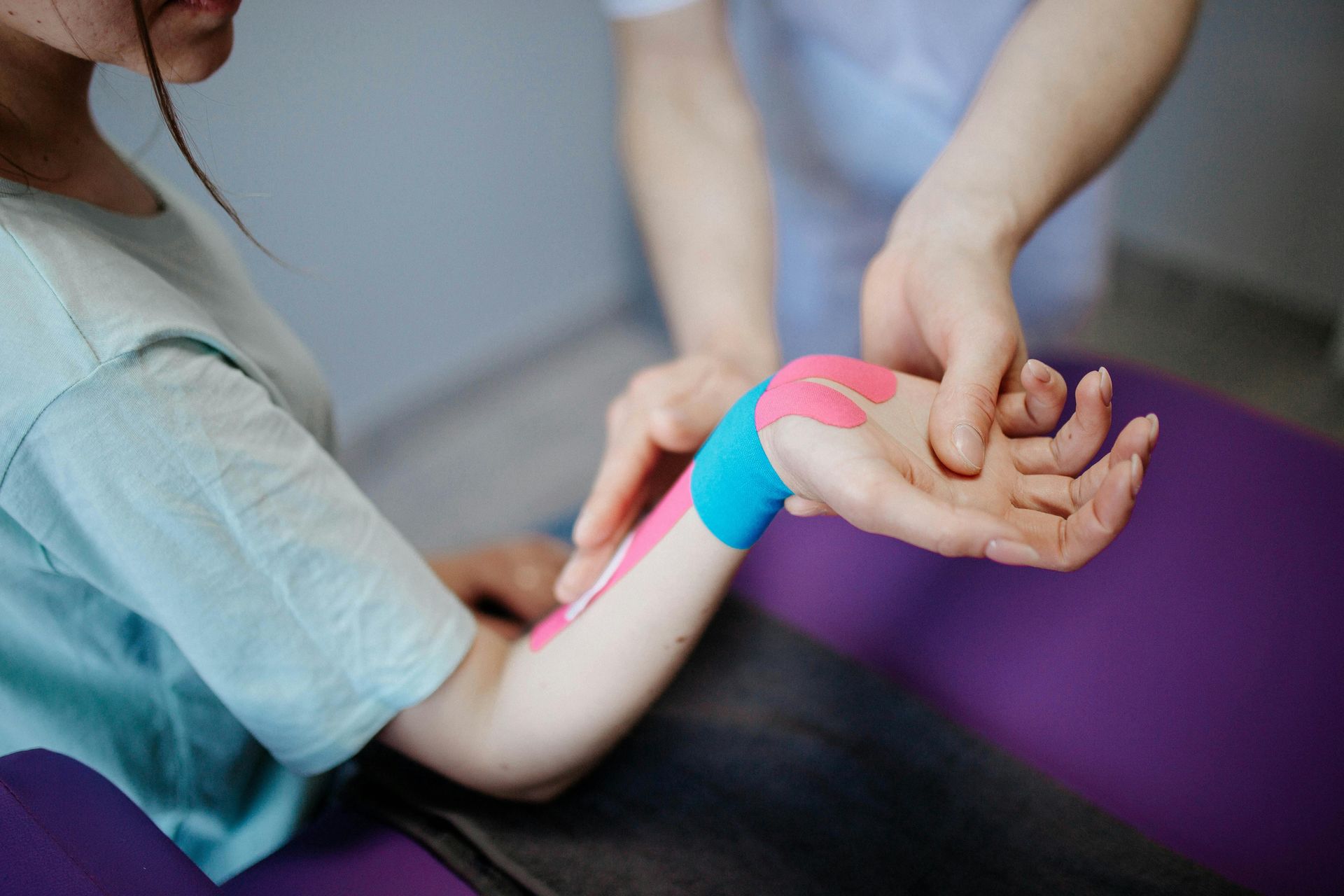
- Taping and Bracing: Taping and bracing support injured or weakened body areas and prevent further injury. These techniques can help reduce pain, improve function, and promote healing.
By combining manual therapy, therapeutic exercise, electrical modalities, acupuncture, and taping and bracing, physiotherapists can help their patients reduce pain, improve function, and prevent further injury.
Alternative Options to Physiotherapy
While physiotherapy is a central part of non-surgical treatment, other approaches may complement or substitute it depending on the cause and severity of symptoms.
- Injections: Cortisone, platelet-rich plasma, or viscosupplementation may assist pain relief and inflammation control.
- Medication: Anti-inflammatories or pain relievers can help manage flare-ups.
- Bracing and supports: Helps stabilise or protect joints during recovery.
- Lifestyle and ergonomic modifications: Adjustments to posture, work habits, or daily activities may reduce strain on painful joints.
- Rest and activity modification: Reduces stress on injured tissues to allow healing.
- Imaging and review: X-rays, MRI scans, or other assessments when symptoms persist or worsen.
These options are often used alongside physiotherapy or when physiotherapy alone is not sufficient.
Preparation Before a Physiotherapy Session
Preparing properly helps your physiotherapy session run smoothly and ensures your therapist can accurately assess your condition.
- Wear comfortable clothing: Choose loose attire that allows easy movement and access to the area being treated.
- Bring previous scans: X-rays, MRI, ultrasound results, and medical letters provide helpful background information.
- List medications: Include regular medicines and treatments for your condition.
- Identify your goals: Knowing what you hope to achieve helps shape your treatment plan.
- Note symptom patterns: Consider when pain occurs, how long it lasts, and what makes it better or worse.
A little preparation allows you to get the most out of your initial session.
What to Expect During a Physiotherapy Session?
If you're considering physiotherapy, you may wonder what to expect during a physiotherapy session. Here are the typical steps of a physiotherapy session:
- Assessment: The first step in a physiotherapy session is assessing your condition. The physiotherapist will ask you questions about your medical history, your symptoms, and any medications you are taking. They will also perform a physical examination to evaluate your strength, range of motion, and any pain or discomfort you are experiencing.
- Diagnosis: Based on the assessment, the physiotherapist will diagnose and develop a treatment plan tailored to your needs. The physiotherapist will explain the diagnosis and treatment plan to you and answer any questions.
- Treatment: The physiotherapist will then begin treatment, which may involve various techniques such as manual therapy, therapeutic exercise, or electrical modalities. The specific techniques used will depend on your diagnosis and treatment plan.
- Education: During the session, the physiotherapist will also educate you on managing your condition and preventing further injury. This may include advice on proper posture, exercise, and self-care.
- Follow-up: The physiotherapist will typically schedule a follow-up appointment to monitor your progress and make necessary adjustments to your treatment plan.
A physiotherapy session typically lasts 30-60 minutes, and the number of sessions required will depend on your condition and individual needs. The physiotherapist will work with you to develop a treatment plan tailored to your needs and provide you with education and support.
What to Expect After Physiotherapy?
After physiotherapy, many patients feel improved mobility, reduced stiffness, and greater confidence in movement. Some may experience mild soreness, especially after strengthening exercises, but this usually settles within a day or two. You will receive a personalised home exercise program to maintain progress between sessions.
Your physiotherapist may recommend temporary modifications to activities such as lifting, running, or prolonged standing to avoid irritation. Over time, as function improves, you will notice greater ease with everyday movements such as walking, climbing stairs, reaching overhead, or returning to sport. The long-term outcome often depends on the consistency of exercise and on attending follow-up appointments as advised.
Physiotherapy Prognosis
Most patients experience significant improvement with physiotherapy, especially when treatment begins early. Conditions such as tendon injuries, muscle strains, joint stiffness, arthritis, and post-operative recovery respond very well to structured physiotherapy. With regular sessions and adherence to home exercises, many people regain full or near-full function. Physiotherapy also reduces the likelihood of recurrence by correcting underlying weakness, poor movement habits, and imbalances. Severe conditions, long-standing injuries, or complex joint disorders may require longer rehabilitation. Still, physiotherapy remains one of the most effective long-term treatments, supporting both recovery and prevention of future problems.
Physiotherapy Risks
Physiotherapy is generally safe, with minimal risks. Some exercises or manual techniques may temporarily increase discomfort, but this usually indicates that the affected tissues are being gently mobilised or strengthened. If inflammation or pain rises significantly, the treatment plan is adjusted to ensure comfort and safety. Minor muscle soreness after exercise is normal and typically short-lived. Serious complications are extremely rare. Your physiotherapist will always adapt techniques to your condition, fitness level, and pain tolerance.
What If Physiotherapy Is Delayed?
Delaying physiotherapy can slow recovery and prolong pain. Without timely treatment, muscle weakness may worsen, joint stiffness may increase, and the risk of recurrent injury may rise. Post-operative patients who delay physiotherapy may experience longer recovery times and difficulty regaining full movement or strength. In chronic conditions such as arthritis or tendon degeneration, delayed physiotherapy may allow symptoms to progress, limiting mobility and daily function. Early physiotherapy helps restore movement, prevent complications, and shorten the overall treatment duration. Starting promptly leads to better outcomes and improved long-term joint health.