
Knee Joint Replacement
What is Knee Joint Replacement?
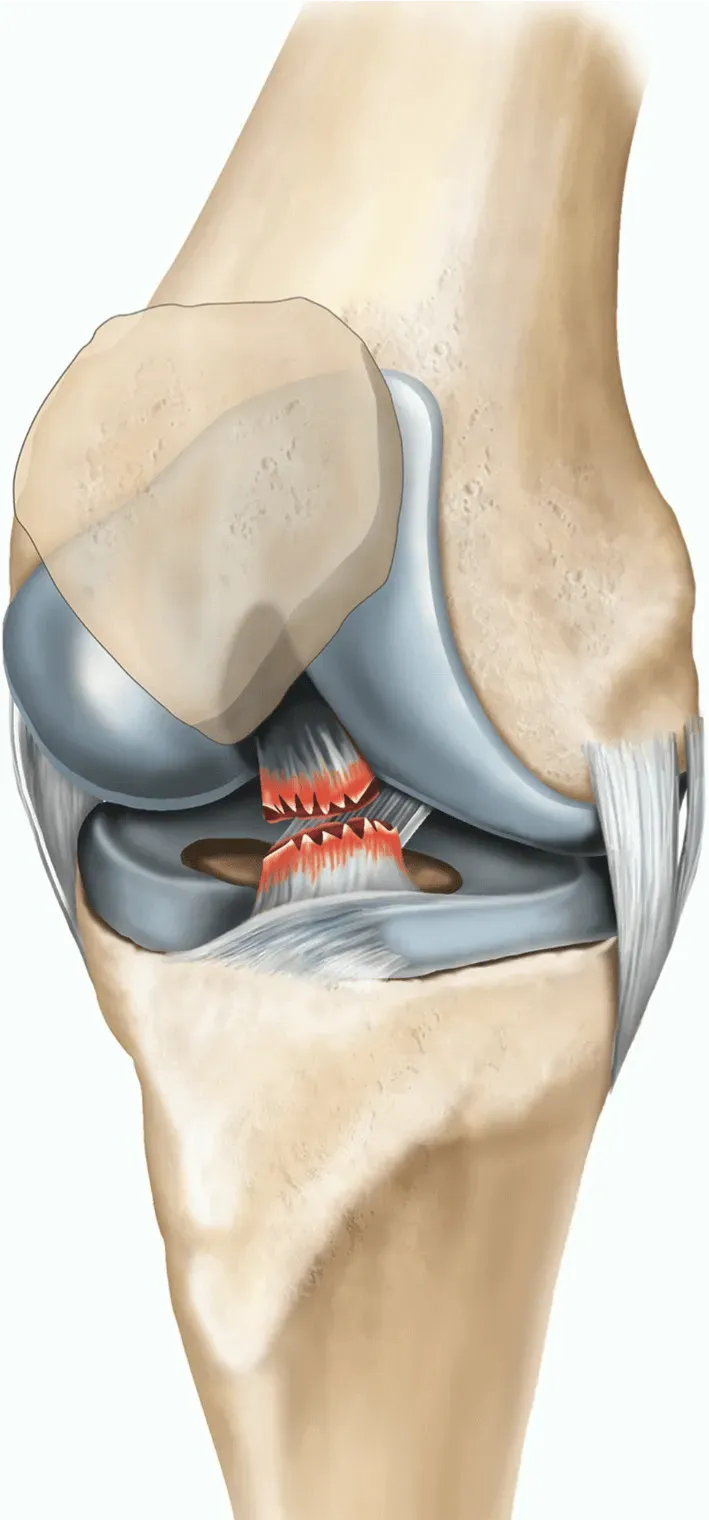
Knee joint replacement, also known as knee arthroplasty, is a surgical procedure designed to relieve long-standing knee pain and improve mobility when the joint has become worn out, damaged, or structurally unstable. Over time, conditions such as osteoarthritis, rheumatoid arthritis, previous injuries, or deformities can cause the smooth cartilage lining of the knee to break down. As this happens, the bones rub directly against each other, leading to pain, stiffness, swelling, and reduced function.
During knee joint replacement, the damaged portions of the knee are removed and replaced with carefully shaped metal and plastic components that act like a new joint surface. These components are designed to mimic the natural movement of the knee while restoring stability and smooth motion. The aim is not only to reduce pain but to help patients return to everyday tasks such as walking, climbing stairs, and low-impact exercise.

Who is Suitable for Knee Joint Replacement?
Knee joint replacement surgery is typically recommended for people with severe knee pain and stiffness that significantly affects their ability to perform daily activities and whose knee problems have not responded to other treatments. Some common conditions that may make a person a suitable candidate for knee replacement surgery include:
- Osteoarthritis: The most common reason for knee replacement surgery, especially in older adults. It is a degenerative joint disease that causes the cartilage in the knee joint to wear away, leading to pain, stiffness, and reduced mobility.
- Rheumatoid arthritis: An autoimmune disease that causes inflammation in the joints, including the knee joint. Over time, the inflammation can damage the cartilage and bone in the knee, leading to pain and stiffness.
- Trauma or injury: A severe injury to the knee joint, such as a fracture, can damage cartilage and bone, leading to pain and stiffness.
- Avascular necrosis: A condition in which the bone tissue in the knee joint dies due to a lack of blood supply. This can lead to severe pain and difficulty moving the knee.
- Other degenerative conditions: Conditions such as gout or pseudogout can cause degeneration of the knee joint, leading to pain and stiffness.
Benefits of Knee Joint Replacement
The benefits of knee joint replacement surgery can be significant, especially for people struggling with chronic knee pain and stiffness. Some of the benefits of knee joint replacement surgery may include the following:
- Reduced or eliminate chronic knee pain: The artificial joint is designed to mimic the natural movement of the knee, which can help reduce the pressure on the damaged joint and relieve pain.
- Improved mobility and range of motion in the knee joint: This can make it easier to perform daily activities, such as walking, climbing stairs, and getting in and out of a car.
- Better quality of life: After surgery, patients may be able to participate in activities that were once too painful or difficult, and they may feel more confident and comfortable in their daily lives.
- Long-lasting results: With proper rehabilitation and follow-up care, the artificial joint can last many years, allowing people to enjoy the benefits of the surgery for a long time.
- Improved sleep:
People with severe knee pain often have difficulty sleeping. Knee replacement surgery can help alleviate the pain and improve sleep quality.
Types of Knee Joint Replacement
- Total knee replacement: The most common type of knee replacement surgery, where the surgeon removes the damaged bone and cartilage from the thigh bone, shin bone, and kneecap and replaces it with an artificial joint made of metal and plastic components.
- Partial knee replacement: Less invasive than a total knee replacement and involves replacing only the damaged part of the knee joint. It may be an option for people with damage to one part of the knee joint, usually the inside of the knee. In a partial knee replacement, the surgeon removes only the damaged bone and cartilage and replaces it with a metal and plastic implant.
- Complex or revision knee replacement: Performed when a previous knee replacement has failed, or there are complications such as infection, instability, or fracture. A complex or revision knee replacement may involve replacing some or all of the components from a previous knee replacement.
Alternative Options for Knee Joint Replacement Surgery
- Medications: Non-steroidal anti-inflammatory drugs (NSAIDs), corticosteroids, and other pain-relieving medications can be prescribed to help manage knee pain and inflammation.
- Physical therapy: Can help strengthen the muscles around the knee joint, improve flexibility and range of motion, and reduce pain.
- Weight loss: This can reduce the pressure on the knee joint and may help relieve pain and improve mobility.
- Assistive devices: Canes, walkers, or knee braces may help reduce pressure on the knee joint and improve stability and mobility.
- Injections: Corticosteroid or hyaluronic acid injections into the knee joint can help reduce inflammation and pain.
- Alternative therapies: Some people may find relief from knee pain and stiffness through acupuncture, massage therapy, or chiropractic care.
Preparation Before Knee Joint Replacement Surgery
Before undergoing knee joint replacement surgery, several things need to be done to ensure the procedure's success, including:
- Consultation with an orthopaedic surgeon: Necessary to determine if knee joint replacement surgery is appropriate.
- Medical evaluation: Performed to ensure the patient is healthy enough for surgery.
- X-rays and other imaging tests: Performed to determine the extent of knee joint damage and to plan the surgery.
- Preoperative preparation: The surgeon will instruct on what to eat, which medications to stop taking, and how to prepare for surgery.
What Happens During a Knee Joint Replacement Surgery?
- Anaesthesia: The surgeon will administer anaesthesia to help you sleep through the procedure or to numb the lower part of your body.
- Incision: The surgeon will make an incision in the knee to access the joint.
- Reshaping the bones: The damaged parts of the thigh bone, shin bone, and kneecap will be removed, and the remaining bone will be reshaped to accommodate the artificial joint.
- Inserting the artificial joint: The artificial joint, made of metal and plastic components, will be attached to the remaining bone with cement or a special material that promotes bone growth into the implant.
- Closing the incision: The surgeon will close the incision with stitches or staples and cover it with a bandage.
- Recovery: After the surgery, you will be taken to a recovery room to wake up from the anaesthesia. You may be given pain medication to help manage any discomfort.
- Rehabilitation: Rehabilitation will begin soon after the surgery and may include physical therapy to help improve strength and range of motion in the knee joint.
What to Expect after a Knee Joint Replacement Surgery?
After the surgery, the patient will be taken to a recovery room for monitoring before being transferred to a hospital room. Patients may experience pain, swelling, and discomfort in the knee joint immediately after the surgery, which can be managed with pain medications.
Physical therapy will begin within a day or two after surgery to help improve knee function and mobility. The therapist will teach exercises to strengthen the knee joint and improve the range of motion. The patient will also be instructed on using a walker or crutches to assist with walking and balance.
Knee Joint Replacement Surgery Aftercare
Proper aftercare is essential for a successful recovery after knee joint replacement surgery. Here are some general guidelines for knee joint replacement aftercare:
- Pain management: Your doctor will prescribe pain medication to help manage post-surgery discomfort. Take the medication as prescribed and report any severe or persistent pain to your doctor.
- Physical therapy: This is an important part of the recovery process and will help improve strength, flexibility, and range of motion in the knee joint. Follow your therapist's instructions and attend all scheduled therapy sessions.
- Exercise: After your recovery period, your doctor may recommend low-impact exercises, such as swimming or cycling, to help maintain the strength and mobility of your knee joint.
- Weight management: Maintaining a healthy weight can help reduce pressure on the knee joint and improve the success of the surgery.
- Wound care: Keep the surgical incision clean and dry to prevent infection.
- Follow-up appointments: Attend all follow-up appointments with your doctor to monitor your progress and ensure that your knee joint is healing properly.
- Avoid high-impact activities: Running or jumping can place excessive stress on the knee joint and increase the risk of injury.
Knee Joint Replacement Surgery Prognosis
The prognosis for knee joint replacement is generally positive. Most patients experience significant pain relief, improved mobility, and enhanced quality of life after surgery. The artificial joint typically lasts 10-20 years, depending on factors such as patient age, activity level, and the type of implant used.
Knee Joint Replacement Surgery Risks
As with any surgical procedure, knee joint replacement surgery carries some risks, including:
- Infection
- Blood clots
- Nerve damage
- Implant failure or loosening
- Allergic reactions to anaesthesia or implant materials
What if Knee Joint Replacement Surgery is Delayed?
Delaying knee joint replacement surgery can lead to increased pain, reduced mobility, and a lower quality of life. Patients who delay the procedure may experience more significant joint damage, making the surgery more complex and increasing the risk of complications.