
Shoulder Problems
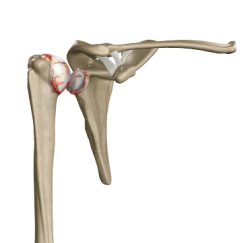
What is Shoulder Arthritis?
Shoulder arthritis is a condition where the smooth cartilage that covers the ends of the bones inside the shoulder joint gradually wears down. The shoulder is a ball-and-socket joint made up of the humeral head (the ball) and the glenoid (the socket). Healthy cartilage allows these surfaces to glide smoothly during movement. When cartilage thins or becomes damaged, the bones begin to rub against each other. This friction leads to inflammation, pain, stiffness, and reduced movement.

How Does Shoulder Arthritis Impact Your Anatomy and Health?
As cartilage in the shoulder joint wears away, the bones can rub against each other, causing pain and stiffness. The shoulder joint may also become inflamed, leading to further pain and discomfort. Over time, shoulder arthritis can lead to reduced mobility and function, making it difficult to perform everyday tasks such as reaching and lifting.
Risk Factors for Shoulder Arthritis
Shoulder arthritis is more common in older adults, particularly those over 50. Women are also more likely to develop shoulder arthritis than men. Individuals who have a family history of arthritis, have had previous shoulder injuries or have jobs that require repetitive shoulder movements, such as construction workers or athletes, are also at a higher risk for developing shoulder arthritis.
Causes of Shoulder Arthritis
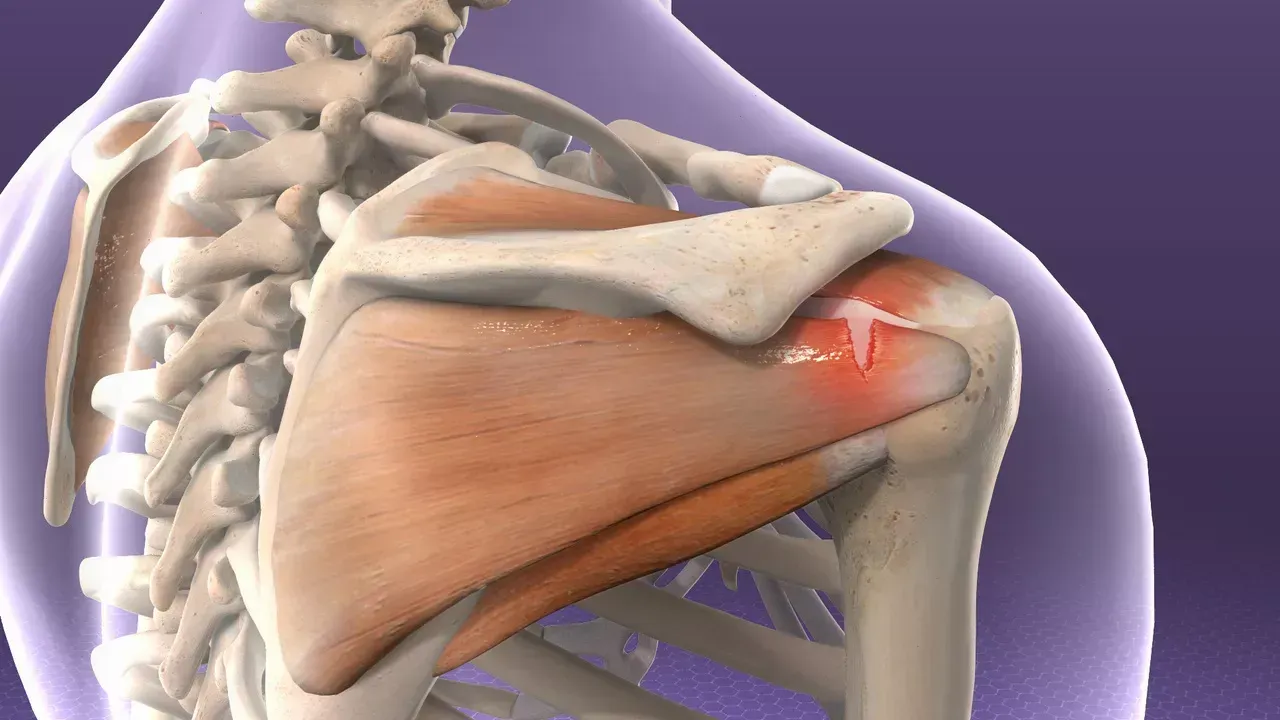
Damage to the cartilage in the shoulder joint can cause shoulder arthritis.
Numerous conditions can cause arthritis, and sometimes the exact cause is unknown.
When the cartilage is damaged or wears out, the raw bones rub against each other, leading to painful inflammation. The proportion of cartilage damage inflammation varies with the type and stage of arthritis.
Numerous conditions can cause arthritis, and the exact cause is often never known.
- Trauma (fracture)
- Increased stress, e.g., overuse, overweight.
- Avascular necrosis (loss of blood supply)
- Infection
- Growth abnormalities of the shoulder
- Connective tissue disorders
Symptoms of Shoulder Arthritis
The symptoms of shoulder arthritis can vary from person to person, but typically include:
- Pain and stiffness in the shoulder joint
- Limited range of motion in the shoulder
- Weakness in the shoulder muscles
- A clicking or popping sensation in the shoulder joint
- Swelling or tenderness around the joint
Preventing Shoulder Arthritis
- Strengthen the shoulder muscles: Support the joint by keeping the rotator cuff and shoulder-blade muscles strong and balanced.
- Maintain flexibility: Stretch regularly to reduce stiffness and ensure smooth shoulder movement.
- Avoid repetitive strain: Limit repeated overhead tasks and use proper technique when lifting or reaching.
- Prevent injuries: Manage shoulder injuries promptly and complete proper rehabilitation to avoid long-term damage.
- Improve posture: Keep the shoulders aligned, especially during desk work, to reduce unnecessary joint stress.
- Stay active with low-impact exercise: Choose activities like swimming or walking to maintain mobility without overloading the joints.
Types of Shoulder Arthritis
The most common types of arthritis are:
Osteoarthritis
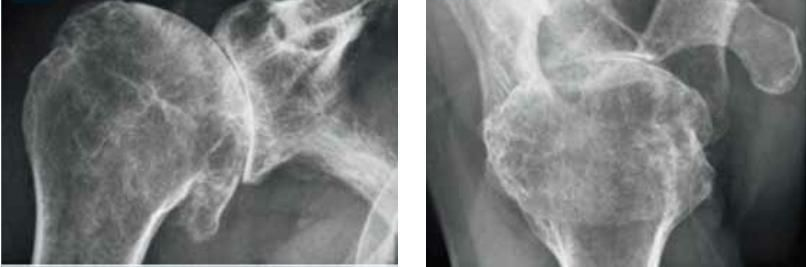
Osteoarthritis, also called wear-and-tear arthritis, is a degenerative joint disease that affects the cartilage.
The cartilage starts to wear away over time, and in extreme cases, nothing remains to protect the bones, causing painful bone-on-bone contact.
Osteoarthritis is the most common type of arthritis and often occurs with advancing age, excessive strain, or another disease, injury, or deformity.
Rotator Cuff Arthritis
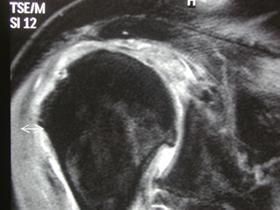
Chronic large rotator cuff tears can cause the shoulder ball to ride high on the socket and rub on the overhanging shoulder blade. This can lead to cartilage wear and painful arthritis, characterised by weakness and reduced movement.
Rheumatoid Arthritis
Rheumatoid arthritis is an autoimmune disease in which the body's immune system attacks healthy joints. It mostly affects the joints of the hands and feet and tends to be symmetrical (affects the same joints on both sides of the body).
This disease most often occurs in women of childbearing age (15 to 44 years) and inflames the joint lining (synovium).
With new medications, Rheumatoid disease is better controlled, limiting joint destruction and the need for replacement.
Stages of Shoulder Arthritis
Shoulder arthritis is often a degenerative disease, and the onset increases with age (Osteoarthritis).
Shoulder arthritis typically progresses through four stages, each with increasing severity:
- Stage 1: Minor osteoarthritis characterised by minor cartilage loss and mild symptoms.
- Stage 2: Moderate osteoarthritis with moderate cartilage loss and increasing pain and stiffness in the joint.
- Stage 3: Severe osteoarthritis with significant cartilage loss, significant joint pain and stiffness, and limited range of motion in the joint.
- Stage 4: End-stage osteoarthritis with complete cartilage loss, severe joint pain, and significant joint function loss.
Diagnosis of Shoulder
Diagnosing shoulder arthritis typically involves a combination of physical exams, medical history, and diagnostic tests. Here are some common diagnostic procedures for shoulder arthritis:
- Physical Exam: The surgeon will begin with a physical exam to assess the shoulder range of motion and identify areas of tenderness, swelling, or deformity. They will also evaluate your shoulder strength and stability.
- Medical History: The surgeon will ask about your medical history, including any previous injuries or medical conditions that may be contributing to your shoulder pain.
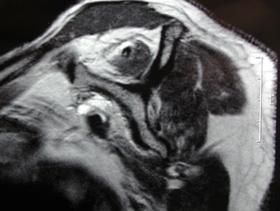
- Imaging Tests: Imaging tests such as X-rays, magnetic resonance imaging (MRI), and ultrasound can help to visualise the joint and identify any structural damage or abnormalities. X-rays can detect changes in the joint that may indicate arthritis, such as narrowing of the joint space, bone spurs, or bone damage. An MRI can provide a detailed image of the joint and may be used to identify cartilage loss or other structural damage. Ultrasound can be used to evaluate the joint's soft tissues, such as the tendons and ligaments.
- Arthroscopy: A minimally invasive procedure that involves inserting a small camera into the joint to examine its interior. This procedure can provide a detailed view of the joint, allowing the surgeon to identify any damage or abnormalities contributing to your shoulder pain.
- Laboratory Tests: Blood tests may rule out other causes of joint pain, such as rheumatoid arthritis or infection.
Treatment Options for Shoulder Arthritis
There is no cure for arthritis; however, its symptoms can be managed.
Common treatment options include:
- Medications: Over-the-counter pain relievers such as acetaminophen or nonsteroidal anti-inflammatory drugs (NSAIDs) can help to relieve pain and inflammation. In severe cases, your doctor may prescribe stronger medications or inject corticosteroids directly into the joint.
- Physical Therapy: Physical therapy exercises can help improve shoulder mobility and strength.
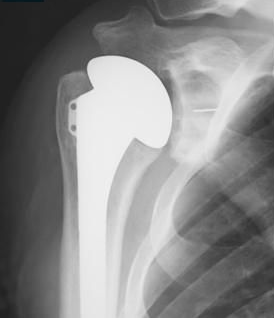
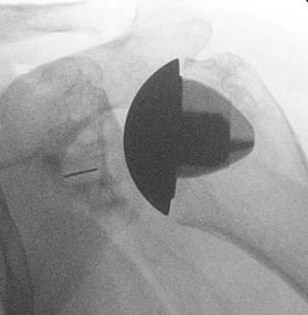
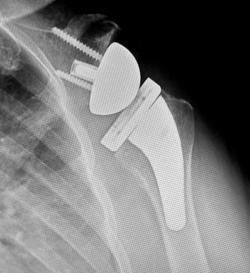
In severe cases of shoulder arthritis, surgery may be necessary. Surgery for shoulder arthritis involves replacing the damaged joint with an artificial joint, which can alleviate pain, improve mobility, and restore joint function. There are two main types of shoulder replacement surgeries:
- Total Shoulder Replacement: In total shoulder replacement surgery, the entire shoulder joint is replaced with a prosthetic joint made of metal and plastic. This surgery is typically recommended for patients with severe arthritis in the joint and those who have had a previous shoulder injury or surgery.
- Reverse Shoulder Replacement: In a reverse shoulder replacement surgery, the normal ball-and-socket joint of the shoulder is reversed, with the ball and socket switching positions. This surgery is typically recommended for patients with a rotator cuff tear, as it allows the deltoid to take over the rotator cuff's function.
Both shoulder replacement surgeries are typically performed under general anaesthesia, usually taking 2-3 hours to complete. After surgery, patients normally require hospitalisation for 1-2 days and wear a sling to support the arm for several weeks. Physical therapy will also be required to help regain strength and mobility in the shoulder joint.
While shoulder replacement surgery can be highly effective at relieving pain and improving function in the shoulder joint, it is important to discuss the risks and benefits of the procedure with your doctor before making a decision. Risks associated with shoulder replacement surgery include infection, bleeding, nerve damage, and prosthesis failure. However, for many patients with severe shoulder arthritis, surgery may be the best option to regain mobility and improve their quality of life.
What if Shoulder Arthritis is Untreated?
If shoulder arthritis is left untreated, it can lead to several complications, including:
- Pain and stiffness: Untreated shoulder arthritis can lead to chronic pain and stiffness, making it difficult to perform everyday tasks such as reaching and lifting.
- Loss of mobility and function: As shoulder arthritis progresses, it can lead to joint loss of mobility and function, making it difficult to perform even simple tasks such as combing your hair or getting dressed.
- Rotator cuff tears: The rotator cuff muscles can weaken due to arthritis, increasing the risk of a rotator cuff tear. This can cause severe pain, weakness, and difficulty with arm movements.
- Shoulder impingement: Untreated shoulder arthritis can cause the bones in the joint to rub against each other, leading to shoulder impingement. This occurs when the rotator cuff tendons and the bursa are compressed between the bones, resulting in pain and inflammation.
- Bone spurs: As arthritis progresses, bone spurs can develop on the bones in the joint. These spurs can cause additional pain and joint inflammation.
- Frozen shoulder:
Untreated shoulder arthritis can lead to a condition known as frozen shoulder, which causes severe pain and stiffness in the shoulder, making it impossible to move the arm.