
Shoulder Replacement
What is Shoulder Replacement?
Shoulder replacement is a surgical procedure that removes the damaged parts of the shoulder joint and replaces them with artificial components called implants. These implants are designed to mimic the smooth movement of a healthy shoulder. The goal is to reduce pain, restore function, and help patients return to daily activities that may have become difficult due to arthritis, injury, or long-term wear and tear.
The shoulder is a ball-and-socket joint. The ball is the top of the upper arm bone, and the socket is part of the shoulder blade. When this joint becomes damaged, the surfaces that normally glide smoothly begin to rub, causing stiffness, inflammation, and significant discomfort. Shoulder replacement restores these smooth surfaces.
Pain relief is often the most noticeable benefit, but improved strength and stability also help patients use their arm more naturally again, especially for overhead tasks.

Who is Suitable for Shoulder Replacement?
Not every person with shoulder pain needs surgery. Shoulder replacement is generally recommended for patients who have long-standing joint damage that has not improved with non-surgical care. People who benefit the most include those with
- Severe arthritis: This includes osteoarthritis, rheumatoid arthritis, or post-traumatic arthritis after an injury.
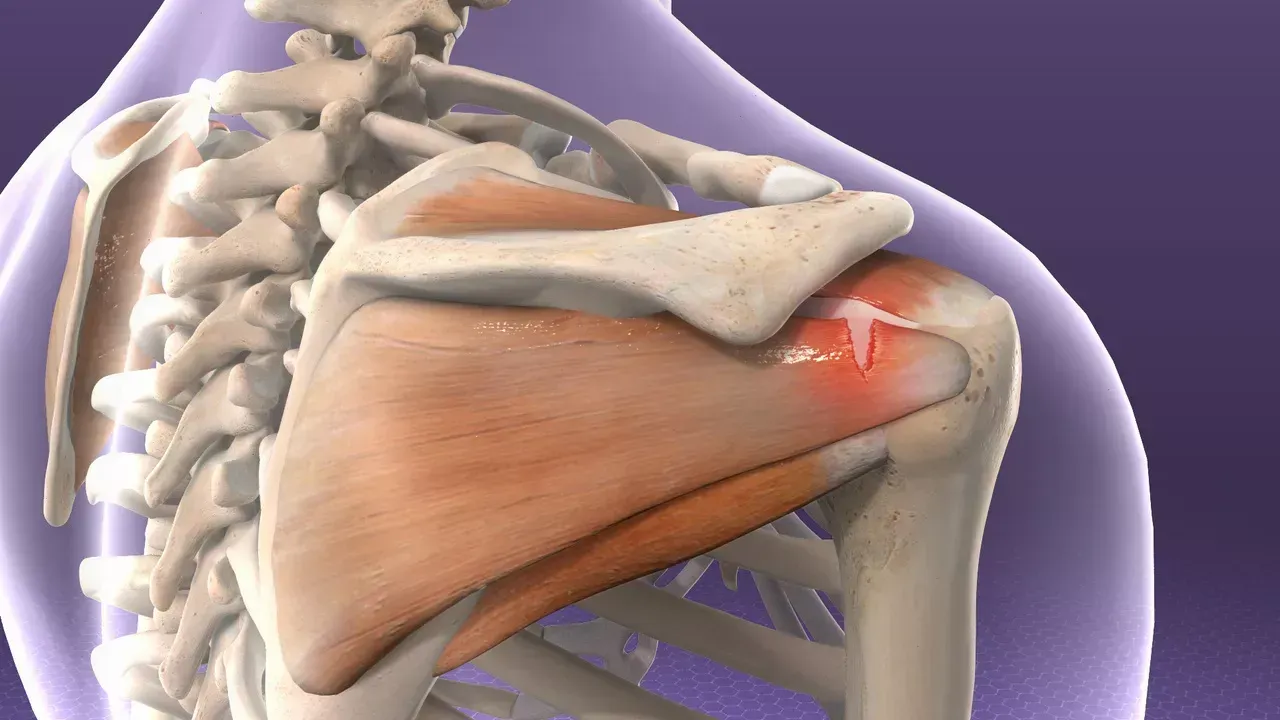
- Irreversible rotator cuff damage: When the rotator cuff is too damaged to repair, the joint may become weak or unstable.
- Significant stiffness or grinding: Movement becomes painful, restricted, or noisy due to bone rubbing on bone.
- Previous shoulder injuries: Fractures or dislocations that healed poorly and left the joint misaligned.
- Loss of shoulder function: Difficulty lifting the arm, carrying items, dressing, or sleeping due to pain.
- Failure of other treatments: Physiotherapy, injections, medications, and activity modifications have not provided enough relief.
Suitability is determined through assessment, imaging, and understanding how symptoms affect daily life. A surgeon considers overall health, bone quality, age, and activity levels to ensure the procedure is safe and beneficial.
Benefits of Shoulder Replacement
Shoulder replacement is highly effective in relieving chronic shoulder pain and improving mobility. The benefits include:
- Strong pain relief: Most patients report a dramatic reduction in pain, even within the first weeks after recovery begins.
- Better shoulder movement: Replacing worn joint surfaces allows the arm to lift and rotate more naturally.
- Improved strength: Weakness from joint damage often improves once pain reduces and rehabilitation progresses.
- Better sleep: Night pain is one of the most common complaints, and replacement surgery usually improves comfort.
- More independence: Daily tasks such as grooming, driving, cooking, and exercising become easier.
- Enhanced quality of life: Many people return to hobbies, light sports, and activities they had given up.
For the right patient, these results can last many years, making shoulder replacement a long-term solution rather than a temporary fix.
Types of Shoulder Replacement
Several surgical options exist, and each is selected based on the joint condition, the rotator cuff, and the patient’s overall health. The main types include:
- Total Shoulder Replacement: The most common type. Both the ball and socket surfaces are replaced with smooth artificial components. It is ideal for patients with arthritis who still have an intact rotator cuff.
- Reverse Shoulder Replacement: In this procedure, the ball-and-socket positions are reversed. This design allows the deltoid muscle to take over much of the arm-lifting function, making it very effective for patients with severe rotator cuff tears or cuff tear arthropathy.
- Partial Shoulder Replacement (Hemiarthroplasty): Only the ball part of the joint is replaced. This may be suitable after certain fractures or when the socket surface is still healthy.
- Resurfacing Procedures: These involve replacing only the damaged surface of the joint rather than the entire ball or socket. They are used less commonly today but can be an option for younger patients with limited arthritis.
Each type of replacement has its own advantages, and the decision depends on joint stability, bone quality, and the extent of damage.
Alternative Options to Shoulder Replacement
Surgery is usually considered only after non-surgical treatments have been tried. Many patients find meaningful relief through other approaches, although these options do not reverse joint damage. Alternatives include:
- Physiotherapy: Strengthening the muscles around the shoulder can improve stability, reduce pain, and increase range of motion. Exercise programs can be tailored to arthritis, rotator cuff problems, or stiffness.
- Medications: Anti-inflammatory tablets, topical creams, and pain relievers can help manage symptoms, especially during flare-ups.
- Injections: Corticosteroid injections reduce inflammation and provide short-term pain relief. Hyaluronic acid or biologic injections may also be considered in selected cases.
- Activity modification: Avoiding heavy lifting, overhead work, or repetitive strain can lessen symptoms. Lifestyle changes may include pacing daily tasks or adjusting posture.
- Heat and ice: These simple methods can ease stiffness and reduce discomfort after activity.
- Shockwave therapy or other conservative modalities: Some patients benefit from non-invasive treatments that improve blood flow and reduce tissue irritation.
- Arthroscopic surgery: In certain cases, minimally invasive surgery can remove bone spurs, repair soft tissues, or clean the joint, providing temporary relief and delaying the need for replacement.
While these alternatives may help, they often become less effective as the joint continues to deteriorate. When shoulder pain becomes constant, limits daily life, or prevents sleep despite these measures, replacement surgery may be the most reliable option.
Preparation Before a Shoulder Replacement
Preparing well before surgery helps improve recovery, reduce complications, and ensure the procedure goes smoothly. Patients are usually asked to follow specific steps in the weeks leading up to their operation. These steps aim to optimise overall health, improve shoulder strength, and ensure the home environment is ready for rehabilitation.
- Attend a pre-operative assessment: This includes medical history, examination, blood tests, and imaging. The surgeon checks your general health and confirms that replacement surgery is the best option.
- Review medications with your doctor: Some medicines, such as blood thinners or anti-inflammatory drugs, may need to be paused. Any supplements or herbal products should also be discussed.
- Optimise medical conditions: If you have high blood pressure, diabetes, heart conditions, or respiratory issues, these may need fine-tuning to ensure safe surgery.
- Strengthen the shoulder if possible: Physiotherapy before surgery enhances muscle strength, improves joint mobility, and may assist with faster recovery.
- Quit smoking: Smoking reduces blood flow and slows healing. Stopping several weeks before surgery significantly improves outcomes.
- Plan your home setup: You may need help with dressing, cooking, and personal care in the first few weeks. Preparing meals, organising support, or rearranging furniture for safety can make recovery easier.
- Fasting instructions: You will be asked to avoid food and fluids for a set period before surgery.
- Consent and education: The surgeon explains the procedure, risks, benefits, and rehabilitation plan so you know exactly what to expect.
These steps ensure you are physically and mentally prepared for the surgery and recovery.
What Happens During a Shoulder Replacement?
Shoulder replacement is performed in a hospital under general anaesthesia, sometimes combined with a nerve block for pain control. The procedure typically takes one to two hours, depending on the type of replacement. Although complex, the surgical steps are well-established and predictable.
- Anaesthesia: You are put to sleep completely, and a nerve block may numb the arm to reduce post-procedure pain.
- Incision: A small incision is made at the front of the shoulder to allow access to the joint.
- Removal of damaged surfaces: The worn-out bone and cartilage from the ball and socket are carefully removed.
- Placement of implants: Artificial components made of metal and specialised plastic are securely placed into the bone. The surgeon selects the type of replacement—total, reverse, or partial—based on your specific condition.
- Repair and closure: Soft tissues are restored, and the incision is closed with sutures. A dressing is applied.
- Recovery room: Patients wake up in a monitored area where nurses assess comfort, breathing, and circulation. Pain relief is adjusted as needed.
Modern techniques aim to minimise tissue damage, improve implant accuracy, and support quicker rehabilitation.
What to Expect After a Shoulder Replacement?
Recovery from shoulder replacement is gradual. Pain relief usually improves quickly, but the shoulder needs time to regain strength and range of motion. Most patients stay in the hospital for one or two nights and follow a structured rehabilitation plan.
- Immediate care: Your arm will be in a sling to protect the repair. A nerve block may keep the arm numb for hours after surgery.
- Pain management: Tablets, ice, and gentle movement help reduce discomfort. Pain typically improves steadily over the following weeks.
- Physiotherapy begins early: Gentle guided exercises start soon after surgery to prevent stiffness and promote safe motion. Over time, strengthening exercises are added.
- Using the arm: Light activities such as feeding yourself or using a phone may begin within a few days. Heavy lifting and overhead work are avoided until the surgeon approves.
- Returning to normal life: Most patients perform light daily tasks within two to six weeks, resume driving once they can safely control the wheel, and gradually return to work depending on job demands.
- Full recovery: This can take three to six months for most people, with strength and motion continuing to improve for up to a year.
The success of recovery depends greatly on completing physiotherapy and following activity guidelines.
Shoulder Replacement Prognosis
Shoulder replacement generally offers excellent long-term pain relief and improved function. Most patients achieve a significant reduction in pain and enjoy smoother, more reliable shoulder movement.
- High success rates: Over 90% of patients experience strong improvements in pain and quality of life.
- Long-lasting results: Modern implants often last 10–15 years or more, and many exceed this when cared for properly.
- Improved mobility: Lifting, reaching, and everyday activities usually become easier and more comfortable.
- Better sleep and reduced fatigue: Pain at night often improves dramatically after surgery.
- Active lifestyle: Many people return to low-impact sports such as swimming, golf, cycling, or yoga.
Your overall health influences your prognosis, the condition of the rotator cuff, the type of implant used, and your commitment to rehabilitation.
Shoulder Replacement Risks
All surgeries involve risks, although modern techniques and careful assessments help reduce them. Your surgeon will discuss these with you so you can make an informed decision.
- Infection: Rare but serious. Antibiotics are used to lower this risk.
- Bleeding or blood clots: These are uncommon but possible after any major surgery.
- Stiffness: Some patients develop stiffness if they cannot move the shoulder early, reinforcing the importance of physiotherapy.
- Implant wear or loosening: Over many years, implants may wear or become loose, which might require revision surgery.
- Nerve or blood vessel injury: Rare complications due to the shoulder’s anatomy.
- Dislocation of the implant: More common with reverse replacements, especially if movement guidelines are not followed.
- Allergic reactions: Very rare reactions to metal components may occur.
Although risks exist, they remain low, and most patients recover without significant complications.
What if Shoulder Replacement is Delayed?
Delaying surgery is sometimes reasonable if symptoms are manageable. However, long delays in severe cases can lead to worsening mobility and more complex surgery later.
- Increased pain: Joint surfaces may deteriorate further, causing more persistent discomfort.
- Worsening stiffness: The shoulder may lose more range of motion, making rehabilitation harder.
- Progressive muscle weakness: The rotator cuff or deltoid muscles may weaken if the joint remains unused or painful.
- Reduced quality of life: Sleep disturbance, difficulty with daily tasks, and loss of independence may worsen.
- More complex surgery: Advanced damage or deformity may require a more complicated procedure or a different type of implant.
Early discussion with a surgeon helps determine the right timing based on your symptoms and lifestyle needs.